
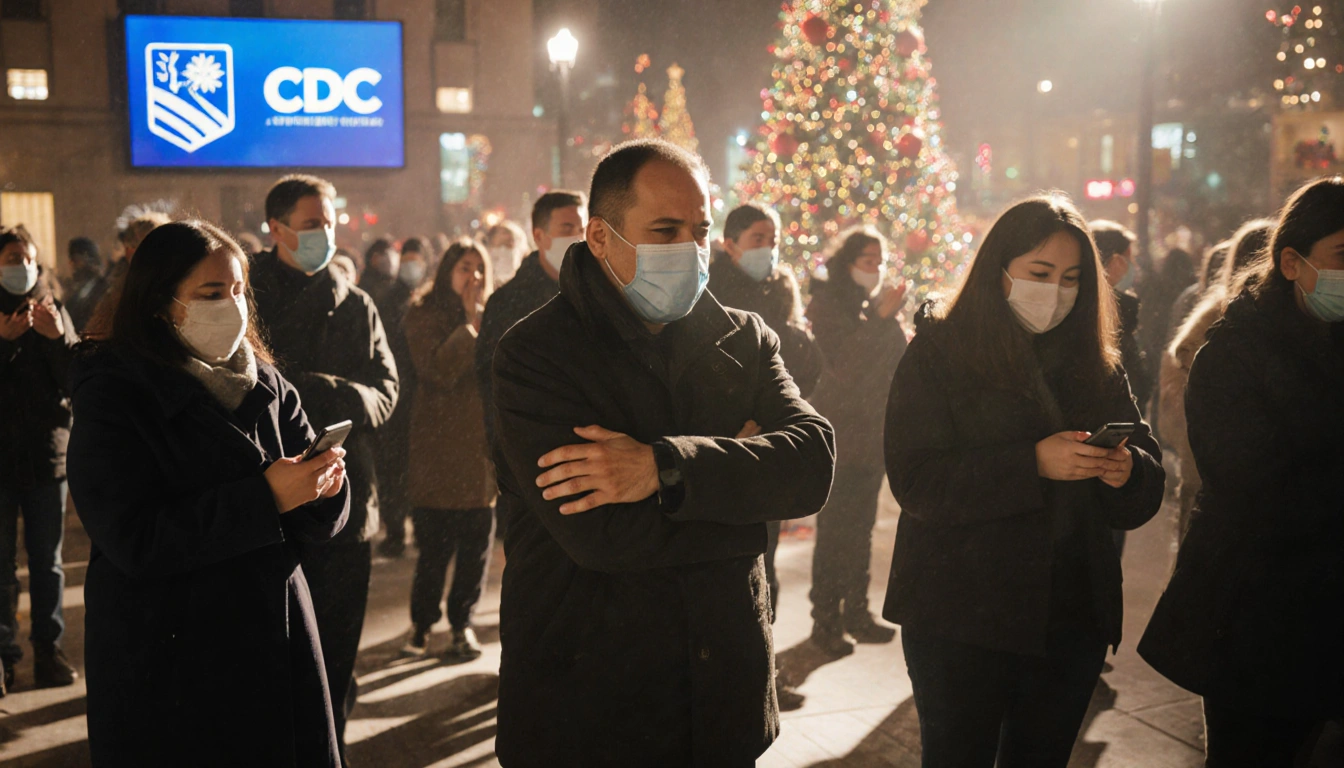
Following the Thanksgiving holiday, the United States is experiencing a sharp rise in influenza cases. CDC data released on Friday show that the number of people testing positive for the flu virus increased by 8% last week compared with the previous week. This post-Thanksgiving spike is the most noticeable uptick in activity that the agency has reported during the current season. The data come from a nationwide network of laboratories that report weekly test results to the Centers for Disease Control and Prevention. The 8% rise reflects a broader trend of increasing flu activity in the weeks after the holiday, as people gather for celebrations and travel. Public health officials are monitoring the situation closely to determine whether the surge will continue or level off as the season progresses.
Health officials note that influenza viruses often spread more rapidly during the colder months, and the post-holiday period can amplify transmission. Early indicators suggest that the current increase may lead to higher hospitalization rates if the trend persists. The CDC urges communities to maintain preventive measures such as mask-wearing and hand hygiene while the virus circulates.
Rising Influenza Cases Post-Thanksgiving
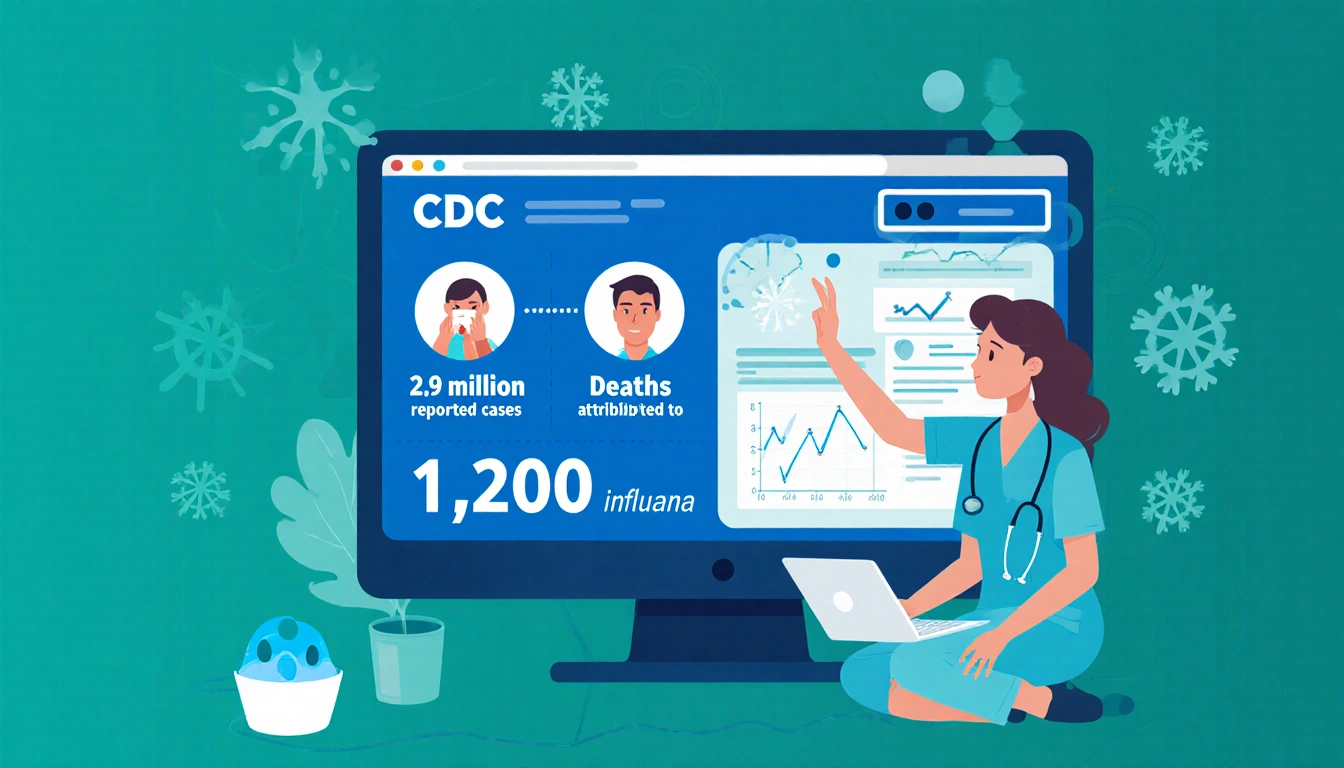
The CDC’s analysis indicates that, to date, roughly 2.9 million people across the country have fallen ill with influenza during this season. In addition, about 1,200 deaths have been attributed to the virus, underscoring the seriousness of the outbreak. These figures are derived from surveillance data that track reported cases, hospital admissions, and mortality related to flu. The number of infections and deaths continues to climb as more weeks pass, reflecting the persistent circulation of the virus. Public health experts emphasize that these totals highlight the importance of vaccination and other protective strategies to reduce the burden on the healthcare system.
The 2.9 million estimate includes cases reported by state health departments, emergency departments, and outpatient clinics. The 1,200 death count reflects confirmed deaths where influenza was listed as a contributing factor on death certificates. The CDC monitors these metrics daily to assess the severity of the season and to guide resource allocation. Communities with higher case counts often experience increased strain on hospitals, especially in regions with limited ICU capacity. Continued surveillance will help determine whether the trend is accelerating or slowing.
Season-Long Impact: Infections and Deaths
As of Dec. 6, the CDC’s latest national data categorize several states into higher tiers of flu activity. Colorado, New Jersey, New York, and Louisiana are classified as “high” transmission, indicating elevated levels of reported cases and hospitalizations. Connecticut, Georgia, Idaho, Massachusetts, Michigan, Rhode Island, South Carolina, Texas, and Puerto Rico fall into the “moderate” tier, reflecting a significant but less severe spread of the virus. New York City, reported separately from the rest of the state, has moved into the “very high” category, the most severe level of activity. These tiers are determined by the CDC based on a combination of laboratory-confirmed cases, hospitalization rates, and mortality data. The classification helps public health officials prioritize interventions and allocate medical resources where they are most needed.
The distinction between tiers signals varying degrees of urgency for vaccination campaigns and public health messaging. States in the high tier often see increased demands on emergency departments and influenza-related admissions. The very high tier in New York City indicates a critical situation that requires intensified efforts to curb transmission. Monitoring these tiers allows the CDC to track the geographic spread and intensity of the flu season across the country.
State-by-State Activity Levels
The surge in influenza activity is largely driven by a new variant of the virus known as subclade K. This subclade is a type of H3N2 influenza, a strain that has historically been associated with higher rates of hospitalization and death. Subclade K has been identified in laboratory samples from patients across multiple states, indicating widespread circulation. The CDC continues to monitor the genetic characteristics of the circulating virus to assess potential changes in transmissibility or severity. Public health officials note that the emergence of new subclades can influence the effectiveness of existing vaccines and the overall impact on community health.
The identification of subclade K underscores the dynamic nature of influenza viruses, which can evolve rapidly through mutations. Surveillance data show that this variant has replaced previous strains in several regions, contributing to the observed increase in case counts. Ongoing research aims to determine whether subclade K leads to more severe illness than earlier variants. The CDC’s monitoring of the subclade helps inform vaccine strain selection and public health strategies.
The New Subclade K Variant
In response to the rising case numbers, the CDC urges that every individual aged 6 months and older who has not yet received this season’s vaccine get vaccinated. “CDC recommends that every 6 months and older who has not yet been vaccinated this season get an annual influenza (flu) vaccine,” the agency said Friday. The recommendation reflects the agency’s goal of achieving broad coverage to reduce transmission and protect vulnerable populations. The CDC has distributed 127 million doses of the vaccine to health providers nationwide, a figure that represents the largest distribution effort in recent years. Despite the high distribution, uptake remains variable across regions, and public health campaigns continue to emphasize the importance of timely vaccination.
The agency also encourages healthcare workers, caregivers, and those with chronic conditions to receive the vaccine promptly. In addition to vaccination, the CDC advises maintaining preventive practices such as mask-wearing in crowded indoor settings and frequent hand hygiene. These measures are particularly important in areas classified as high or very high activity, where the risk of infection is greatest.
CDC Vaccination Guidance and Distribution
Flu activity typically intensifies in December, peaks between January and March, and then declines as the season wanes. The current pattern suggests that the situation may worsen before improving, a trend that has been observed in previous seasons. Public health officials emphasize that the post-holiday surge can accelerate transmission, especially when people travel and congregate. As the season progresses, monitoring of case counts, hospitalizations, and mortality will guide adjustments to public health interventions. Communities are encouraged to remain vigilant, maintain preventive practices, and seek vaccination to mitigate the impact of the influenza season.
The CDC’s ongoing surveillance will provide updated insights into the trajectory of the outbreak, helping to inform resource allocation for hospitals and public health agencies. Early identification of rising trends allows for timely responses, such as increased testing, targeted vaccination campaigns, and public awareness efforts. The goal is to reduce the overall burden of influenza on the healthcare system and protect individuals, especially those at higher risk for severe illness.
Flu Season Trend and Public Health Response
Key Takeaways
- 8% increase in flu positives last week, 2.9 million sick, 1,200 deaths.
- Subclade K, a H3N2 variant, is driving the surge.
- CDC urges vaccination for everyone 6 months+ and has distributed 127 million doses.
The United States continues to face a significant influenza challenge, with rising case numbers, a new variant, and a call for widespread vaccination to curb the spread and protect vulnerable populations.