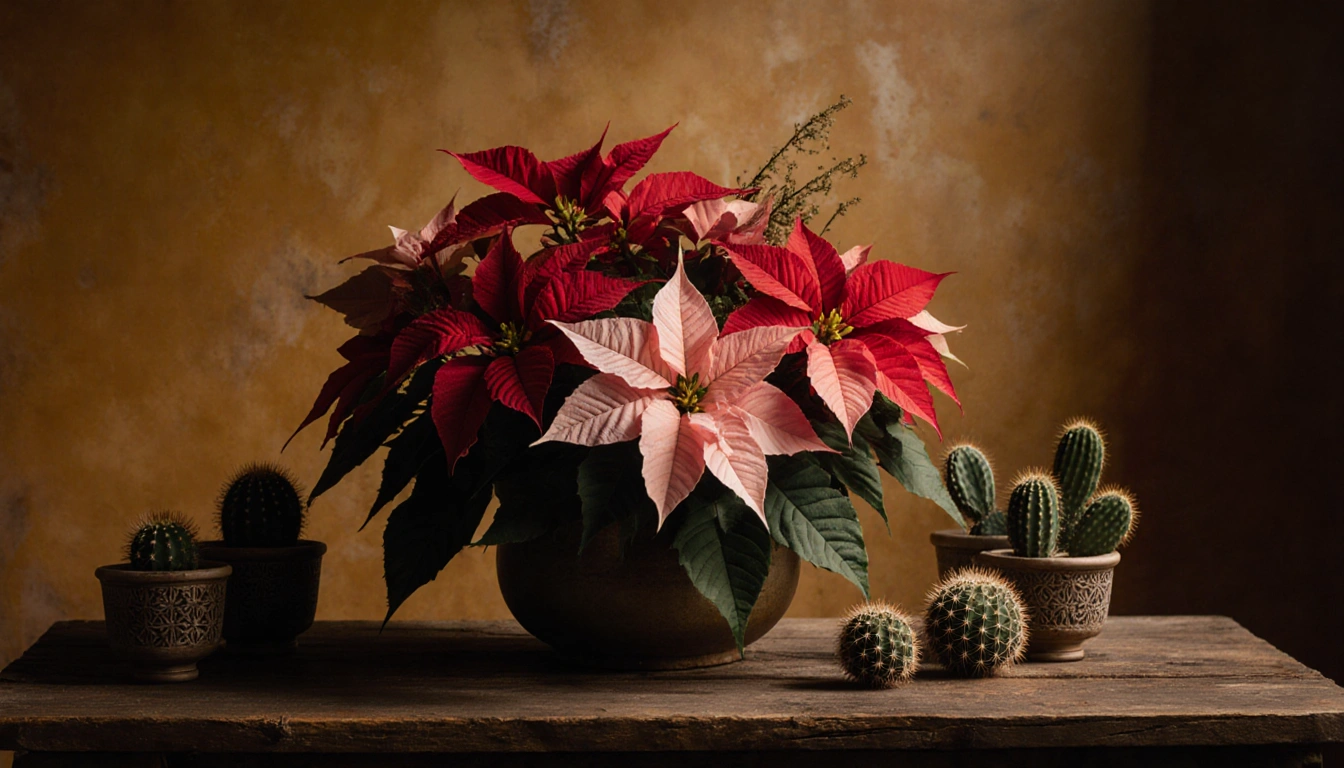
Did you know that the secret behind the dazzling red of a poinsettia or the soft blooms of a Christmas cactus isn’t just sunlight-it’s the length of night and day? This natural timing, known as photoperiod, tells plants when to flower, produce bright bracts, or go dormant.
What is Photoperiod?
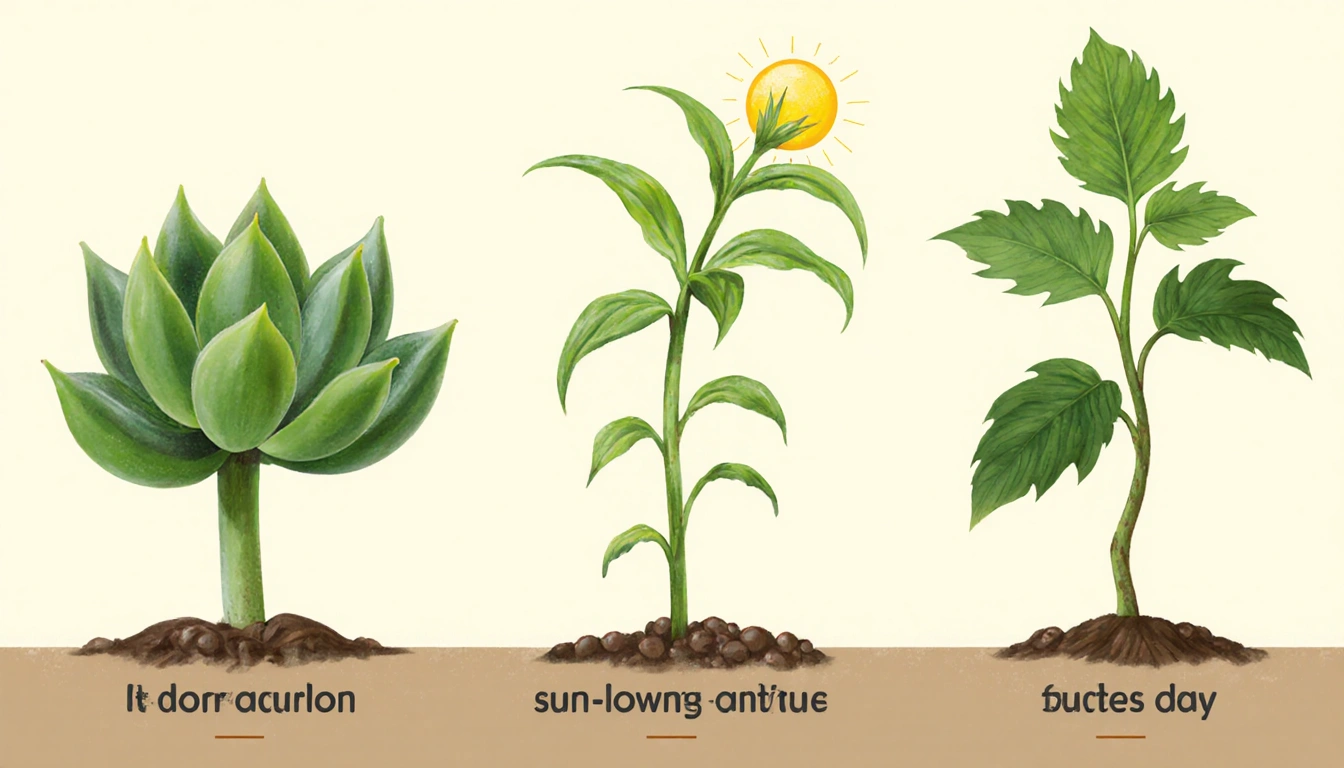
Photoperiod refers to the length of day and night that a plant experiences. Plants use this natural rhythm to determine when to flower, produce colorful bracts, or enter dormancy. Essentially, the amount of light and darkness signals plants to start specific growth stages.
Types of Plants Based on Photoperiod
Plants fall into three main categories:
- Short-Day Plants: These plants need long nights and short days to bloom. Examples include:
- Poinsettias – Known for their festive red bracts during the holidays.
- Christmas Cactus – A winter favorite that blooms when nights are long.
- Long-Day Plants: These plants require short nights and long days to flower. Examples include many summer annuals such as petunias and spinach.
- Day-Neutral Plants: These plants aren’t affected by day length and bloom based on age or other factors.
Why Photoperiod Matters for Your Plants
Understanding photoperiod helps you control blooming and color timing, especially for seasonal favorites like poinsettias and Christmas cactus. If you want those holiday plants to look their best, you need to manage their light exposure carefully.
Practical Tips for Success
Artificial Light or Darkness Can Help
If natural light isn’t enough, you can use grow lights or cover plants to simulate the right conditions.
Shading and Lighting Require Effort-but Pay Off
Creating the perfect environment might mean moving plants or using blackout cloths. It’s work, but the results are stunning.
Short-Day Doesn’t Mean Less Light
Poinsettias and Christmas cactus still need bright daylight during the day-they just need long, uninterrupted nights to trigger blooming.
Seasonal Care for Holiday Plants
- Poinsettias: Start giving them 14 hours of darkness each night about 8 weeks before you want color.
- Christmas Cactus: Keep them in a cool, dark spot for at least 12-14 hours nightly until buds form.
Final Thoughts
Photoperiod is nature’s calendar for plants. By understanding and managing light exposure, you can enjoy vibrant blooms and festive colors exactly when you want them. For more information visit PLance.org.
All facts from this article were gathered by Studio 512 employees. This article was converted into this format with assistance from artificial intelligence. It has been edited and approved by Studio 512 staff.
Key Takeaways
- Photoperiod is the length of day and night that signals plants to flower or enter dormancy.
- Short-day plants like poinsettias and Christmas cactus need long nights to bloom.
- Managing darkness-14 hours for poinsettias, 12-14 hours for Christmas cactus-ensures holiday color.
Enjoy a season of bright, healthy plants by mastering the timing of light and dark.