
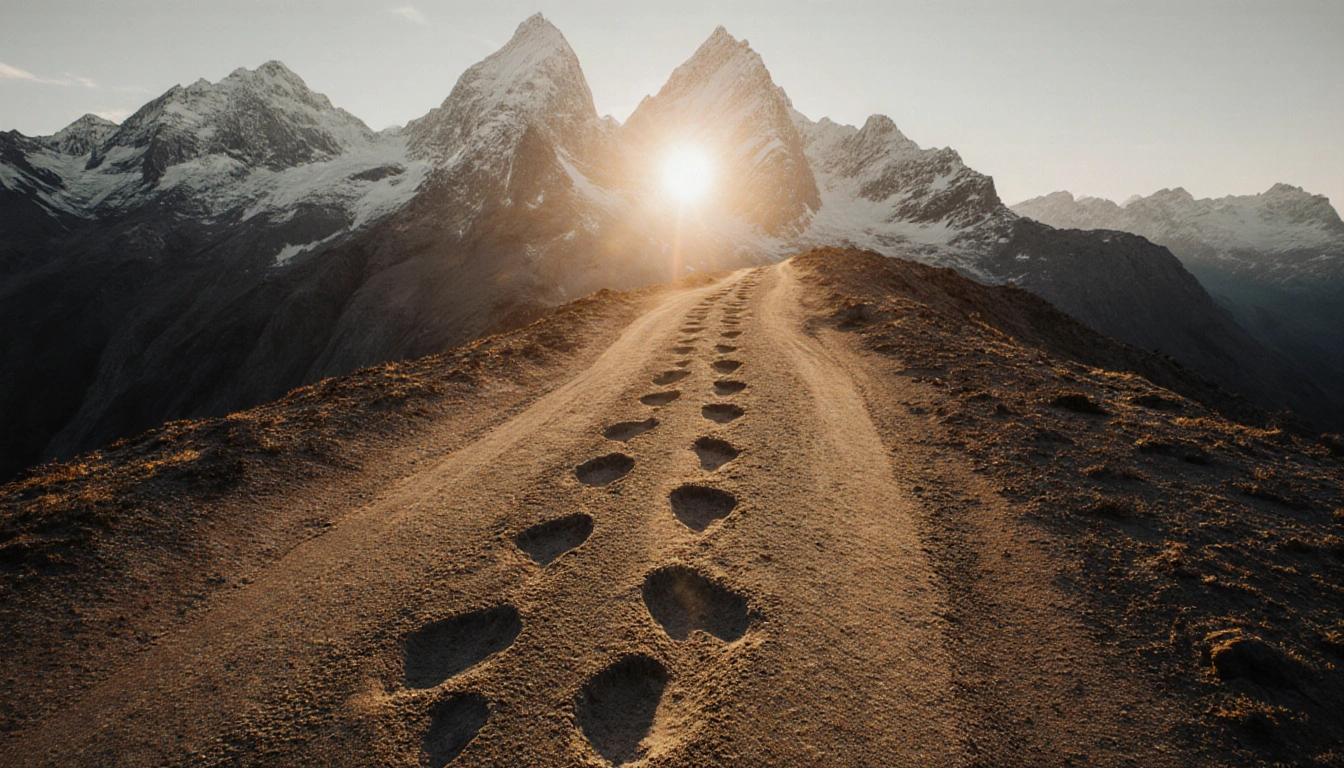
In a surprising turn of events, a wildlife photographer stumbled upon one of the world’s oldest and largest dinosaur trackways in Italy’s Stelvio National Park, a discovery that could reshape our understanding of early Triassic life.
A Hidden World 210 Million Years Old
The discovery came to light when Elio Della Ferrera, a wildlife photographer, was filming deer and vultures in September. While aiming his camera at a vertical wall about 600 meters (nearly 2,000 feet) above the nearest road, he noticed something unusual. He climbed the rock face, a task that required effort, to investigate the anomaly. The wall, located roughly 2,400 to 2,800 meters (7,900-9,200 feet) above sea level, faces north and remains mostly shaded, making the prints hard to spot without a powerful lens.
The prints are estimated to number as many as 20,000, spread over a stretch of five kilometers (three miles). This sheer volume is unprecedented for a site near the Swiss border, an area that had never before yielded dinosaur tracks. The trackway lies close to the 2026 Milan Cortina Winter Olympic venue of Bormio, adding an unexpected layer of contemporary relevance to the find.
Cristiano Dal Sasso, a paleontologist at Milan’s Natural History Museum, received the first call from Della Ferrera after the discovery. “This time reality really surpasses fantasy,” Dal Sasso remarked at a press conference. He was quick to emphasize the significance of the sheer number of prints and their preservation.
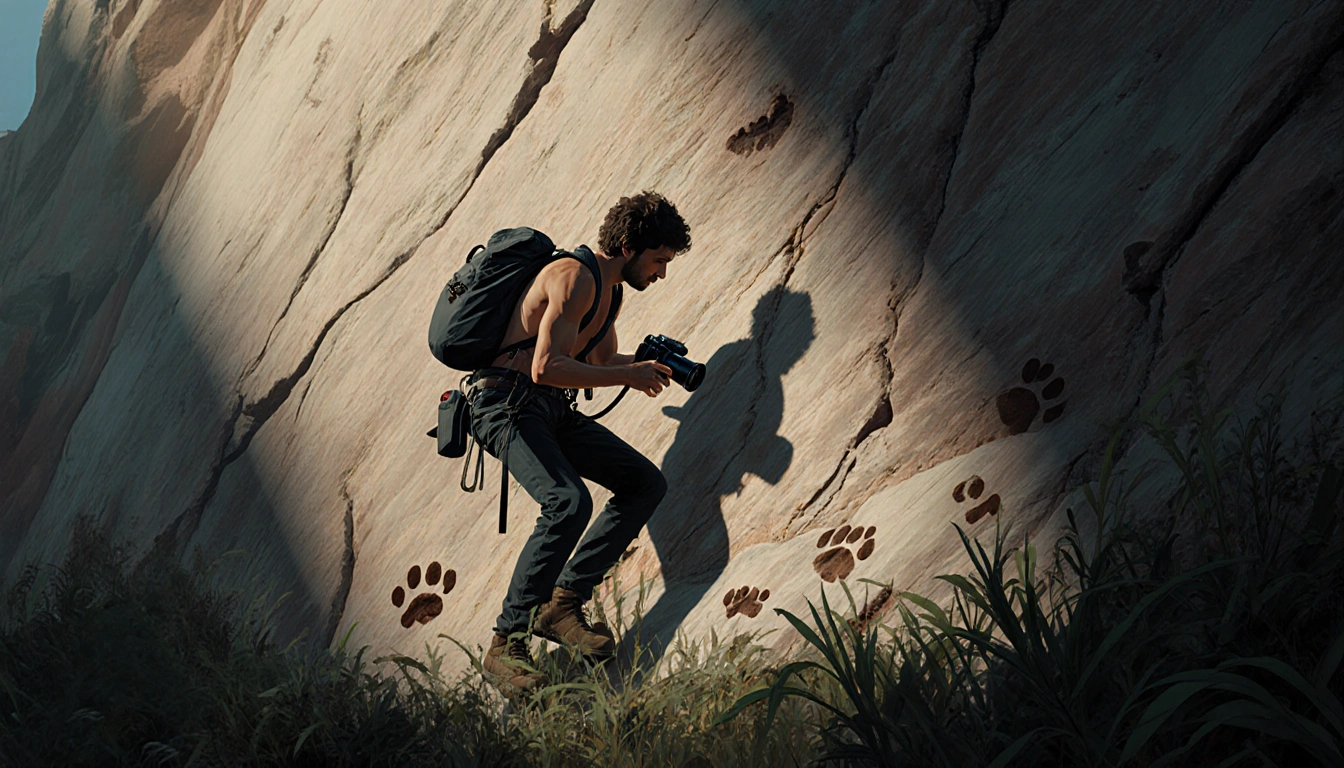
Dal Sasso described the dinosaurs that made the tracks as long-necked, bipedal herbivores up to 10 meters (33 feet) long and weighing up to four tons-comparable in size to a Plateosaurus. Some footprints measured 40 centimeters wide and displayed visible claws, indicating a robust foot structure.
The trackway suggests that these dinosaurs moved in packs and occasionally formed circular formations, possibly as a protective strategy. Dal Sasso added, “There are very obvious traces of individuals that have walked at a slow, calm, quiet rhythmic pace, without running.”
The location’s proximity to the Bormio mountain town-just two kilometers (a mile) from the entrance-means the trackway sits near the site where men’s alpine skiing will take place during the February 6-22 Games.
The discovery was announced on a Tuesday, with officials highlighting the unprecedented nature of the find. Della Ferrera said, “The huge surprise was not so much in discovering the footprints, but in discovering such a huge quantity.” He further noted, “There are really tens of thousands of prints up there, more or less well-preserved.”
The park’s entrance, the point of discovery, is situated in a remote area that is difficult to access in winter. Lombardy’s governor, Attilio Fontana, called the find a “gift for the Olympics,” even though the site’s remoteness makes public access challenging.
Fontana’s statement underscores the symbolic value of the discovery for the region, which is preparing for the upcoming international sporting event.
The scientific community is eager to study the trackway, as it offers a rare glimpse into the behavior and morphology of Triassic dinosaurs that roamed the area during a time when Europe was a vastly different landscape.
Researchers are particularly interested in the footprints’ width and the presence of claws, which may indicate the dinosaurs’ foot structure and locomotion. The tracks also provide data on group dynamics, suggesting coordinated movement.
The location’s high altitude and north-facing orientation likely contributed to the preservation of the prints. The shaded environment would have reduced erosion and weathering, allowing the tracks to remain intact over millions of years.
The discovery also highlights the importance of protecting natural parks. Stelvio National Park, known for its diverse ecosystems, has now added a significant paleontological site to its portfolio.
The presence of the trackway near the Olympic venue adds a layer of cultural heritage to the area, linking ancient history with modern sporting aspirations.
What the Tracks Tell Us About the Dinosaurs
The footprints’ dimensions suggest that the dinosaurs were large herbivores, capable of moving in coordinated groups. Dal Sasso noted that the prints’ 40-centimeter width points to a substantial foot, supporting the idea of a heavy, bipedal stance.
The circular formations observed in the trackway may indicate a defensive posture. By arranging themselves in a circle, the dinosaurs could have protected younger or weaker individuals from predators.
The slow, rhythmic pace inferred from the prints contrasts with the more frantic tracks typically associated with predators. This behavioral insight helps paleontologists reconstruct daily life for Triassic herbivores.
The discovery of such a vast number of prints provides a statistically robust dataset. Researchers can now analyze variations in stride length, foot orientation, and group size with greater confidence.
Dal Sasso’s comparison to a Plateosaurus is significant, as it places the dinosaurs within a known taxonomic framework. This allows for more precise ecological modeling of Triassic ecosystems.
From the Wild to the Olympics: A Discovery with a Twist
The trackway’s proximity to the Bormio ski slopes adds an unexpected connection between ancient fauna and contemporary sport. The area will host men’s alpine skiing during the February Games, drawing international attention.
Governor Attilio Fontana’s description of the find as a “gift for the Olympics” reflects the region’s desire to showcase its natural and historical assets. However, the remote location and high altitude mean the site is unlikely to be accessed during winter.
There are no current plans for public access to the trackway, and officials have not announced any future development. The discovery remains a scientific treasure rather than a tourist attraction.
The timing of the announcement, a few months before the Games, has sparked media interest. While the site is not a direct venue for the Olympics, its proximity adds a unique narrative to the region’s story.
The discovery underscores the importance of interdisciplinary collaboration between photographers, paleontologists, and local authorities. Together, they have uncovered a window into the Triassic period.
Key Takeaways
- One of the world’s largest dinosaur trackways, with ~20,000 prints, was found in Stelvio National Park.
- The footprints belong to large, long-necked herbivores similar to Plateosaurus, moving in packs and forming circles.
- The site is located near the 2026 Milan Cortina Winter Olympic venue of Bormio, adding contemporary relevance.
The find, announced on a Tuesday, highlights the value of natural parks and the potential for new discoveries even in well-studied regions. While the trackway remains largely inaccessible during winter, its scientific importance is unquestionable, offering fresh insights into Triassic life and the behavior of early dinosaurs.