


October U.S. retail sales were unchanged from September, as consumers tightened spending amid worries over higher prices and economic uncertainty. The Commerce Department said the figure was flat, but a 1.6% drop in motor vehicle and auto parts dealership sales-due to the end of federal subsidies for electric cars-pulled the overall number down. Excluding that category, retail sales rose 0.4%.
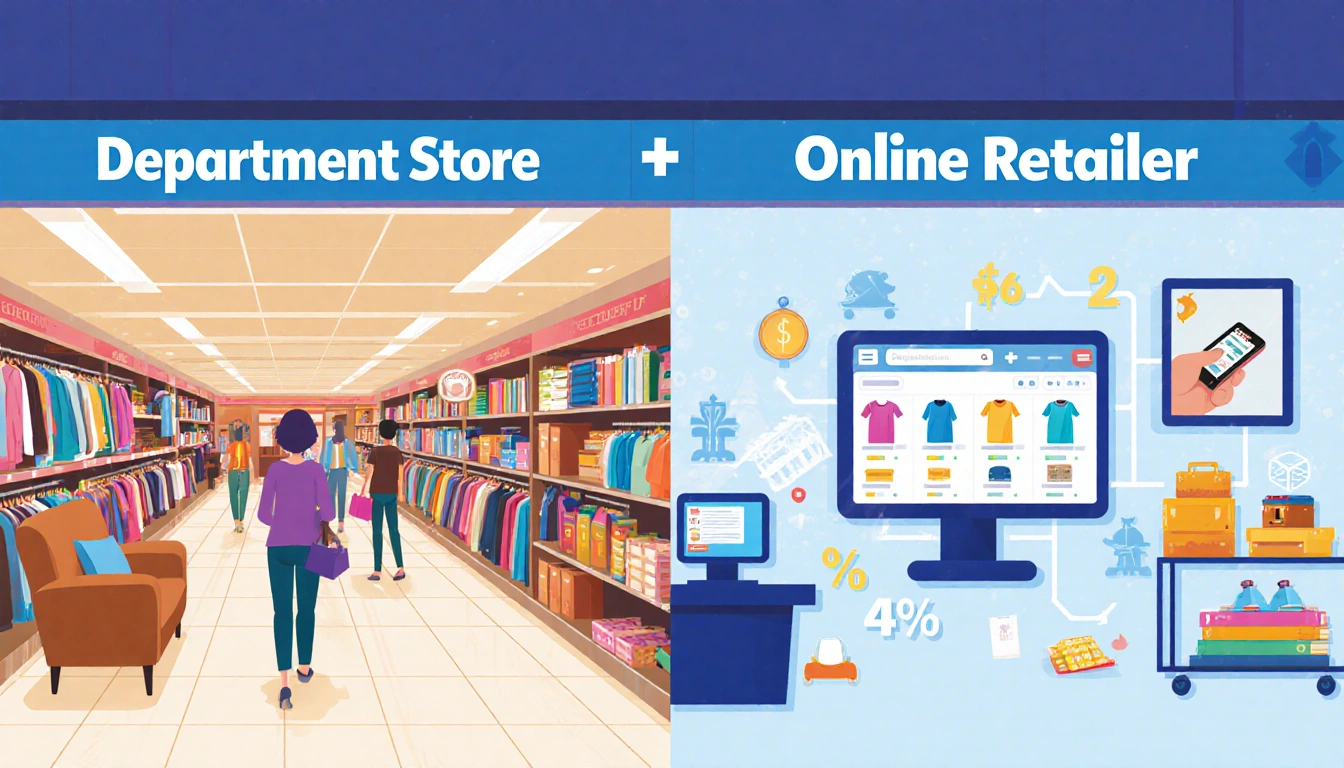
Retail Sales Overview
The report, delayed more than a month by the 43-day government shutdown, shows the flat October spending was less than economists expected and followed a revised 0.1% increase in September. July and August saw 0.6% rises, while June posted a 1% jump.
Category Performance
- Clothing and accessories stores: +0.9%
- Furniture and home furnishings: +2.3% (likely driven by tariff-related price hikes)
- Online retailers: +1.8%
- Department stores: +4.9%
- Restaurants: -0.4% (the only services component in the Census Bureau report)
Employment Context
The Labor Department’s latest job report shows a souring employment picture: the U.S. gained 64,000 jobs in November but lost 105,000 in October as federal workers departed after Trump-era cutbacks. The unemployment rate rose to 4.6%, the highest since 2021.
Holiday Outlook
Retailers are preparing for last-minute shoppers with extended hours and intensified deals. The National Retail Federation still projects 3.7%-4.2% sales growth for November and December versus last year, where holiday sales reached $976 billion-a 4.3% increase.
Retailer Highlights
- Walmart posted strong sales, attracting a wide income range with its low-price strategy.
- TJX Cos. (T.J. Maxx, Marshalls) saw an influx of shoppers seeking a treasure-hunt experience.
- Home Depot experienced slower spending as consumers focus on small home projects.
- Target, grappling with weak sales, is trying to revive its reputation for affordable yet stylish goods.
Income Pattern
Bank of America Institute data shows high-income shoppers increased spending by 2.6% in November versus a year ago, while lower-income groups gained only 0.6%. The pattern reflects a K-shaped trend, with higher-income Americans benefiting from rising salaries and wealth, and lower-income households facing weaker income gains and steep prices.
Key Takeaways
- Retail sales flat in October, driven largely by a 1.6% drop in vehicle dealership sales.
- Online and department stores continue to post solid gains, while restaurants decline.
- Employment remains weak, with unemployment at 4.6% and recent job losses offsetting gains.
The report underscores cautious consumer sentiment amid economic uncertainty, even as holiday shopping begins to pick up momentum.
Tim Quinlan, an economist at Wells Fargo, wrote: “The retail sales report for October was a dud, but the underlying details offer more encouraging signals for (fourth quarter) consumer spending and an elevated starting point for the critical two-month stretch for holiday sales.” He added that other data suggest a slowdown through mid-December and leave the firm cautious on how the consumer crosses the finish line.
Moody’s Rating’s Claire Li, vice president of credit strategy, wrote: “Near-full employment has continued to support broad-based consumer demand,” but added that “slowing hiring, cooling wage gains, and mounting affordability pressures are eroding households’ consumption growth.”