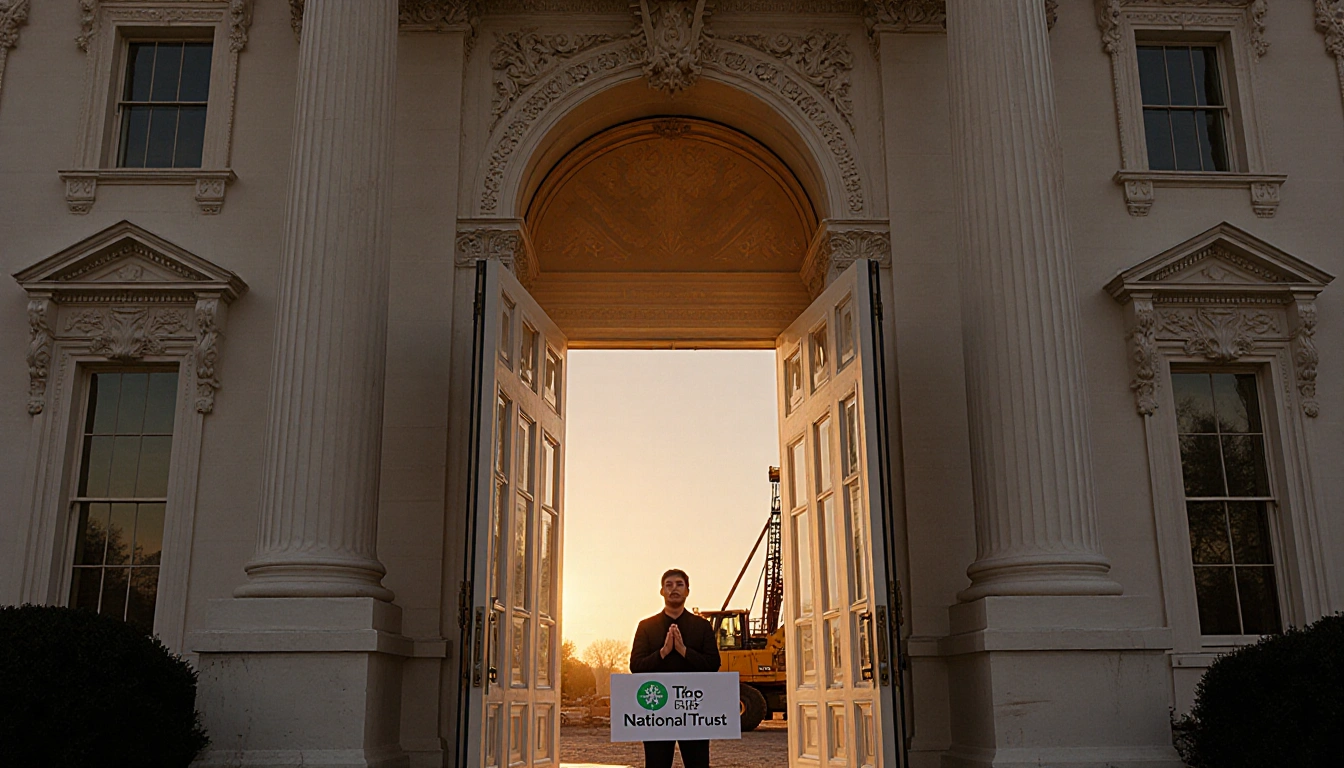
A federal judge in Washington, D.C., is leaning toward denying the National Trust for Historic Preservation’s request to temporarily halt President Donald Trump’s White House ballroom project. Judge Richard Leon said the preservation group failed to demonstrate that the project would cause irreparable harm if it proceeds. The decision, announced Tuesday, comes as the administration pushes forward with construction plans that could alter the historic fabric of the nation’s executive residence. The ballroom, slated to cost $400 million, has already sparked controversy among lawmakers and preservationists.
Judge’s Decision
Leon told the court that he could issue a final ruling on the restraining order by Wednesday. However, he also indicated that he would schedule another hearing in January to consider the National Trust’s request for a pause until the project undergoes multiple independent reviews and secures congressional approval. The judge emphasized that the court would address any future decisions about underground work-such as plumbing and gas line routing-before the above-ground ballroom is built. Leon warned that if the administration moves ahead, the court would respond.
Timeline and Review
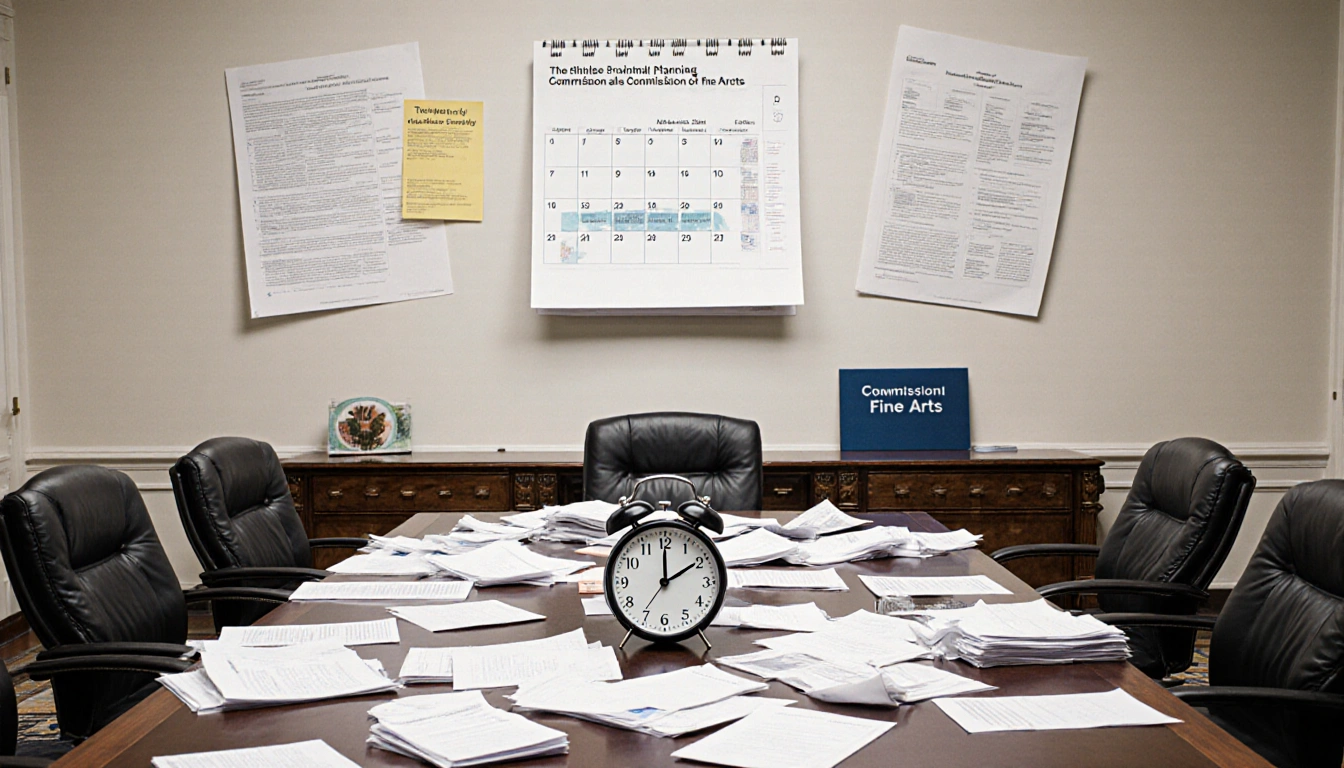
The judge’s comments were made during a hearing that also highlighted the administration’s timeline. Leon referenced that the White House has only two weeks to submit the final ballroom plans to the National Capital Planning Commission and the Commission of Fine Arts. The panel, which Trump has stocked with allies, including chairman Will Scharf, is expected to receive the plans sometime this month. Leon noted the urgency but also the need for independent review.
President’s Response
President Trump thanked Judge Leon during a Hannukah event on Tuesday night, calling the judge’s decision a demonstration of “courage in making the proper decision.” Trump also reiterated the ballroom’s projected cost, stating it would be $400 million, a figure that differs from the previously listed $300 million price tag. The president’s comments came as the project moved forward without formal input from the two federal review panels.
National Trust’s Commitment
Carol Quillen, president and CEO of the National Trust, said the organization remains “fully committed to upholding the interests of the American people and advocating for compliance with the law, including review by the National Capital Planning Commission and an opportunity for the public to provide comment and shape the project.” Quillen emphasized that the Trust seeks a transparent process and public engagement.
Trump’s Actions
In contrast, Trump has proceeded with construction before seeking input from the National Capital Planning Commission and the Commission of Fine Arts. He has stocked the planning commission with allies, including chairman Will Scharf, who recently said he expected to receive the ballroom plans sometime this month. Trump’s actions have raised questions about the proper use of federal review processes.
Legal Arguments
Adam Gustafson, the principal deputy assistant attorney general, argued that the National Trust has no standing to sue and that underground construction must continue for national security reasons that were not outlined in open court. Gustafson also said that Trump is exempt from federal laws the Trust claimed he has failed to follow. He argued that the Trust cannot show “irreparable harm” because the ballroom plans have not been finalized and construction above ground was not scheduled to begin until April at the earliest.
Trust’s Perspective
Tad Heuer, the attorney representing the Trust, said that with every day that construction is allowed to proceed absent the independent reviews, the government gets to “wait and find out” what the ballroom will look like. Heuer added, “It’s not about the need for a ballroom. It’s about the need to follow the law,” when describing the case. He stressed the importance of legal compliance over the project’s practical benefits.
Background of the Project
The White House announced the ballroom project over the summer, and by late October, Trump had demolished the East Wing of the White House to build in its place a ballroom that he said will be big enough to fit 999 people at an estimated cost of $300 million in private funding. The demolition and construction have been criticized by preservationists who argue that the project threatens historic preservation standards.
Judge’s Outlook
The judge’s decision to lean toward denial reflects a balance between the administration’s construction plans and the preservation group’s legal arguments. While the judge may issue a final ruling by Wednesday, he has signaled that the matter will be revisited in January, giving both sides time to present additional evidence and arguments. The court’s focus on underground work and the need for independent reviews underscores the complexity of the case.
Ongoing Issues
Trump has dismissed all members of the fine arts panel and has yet to name replacements, further complicating the review process. The administration’s lack of engagement with the Commission of Fine Arts and the National Capital Planning Commission has prompted the National Trust to seek judicial intervention. The judge’s remarks suggest that any future decisions about underground infrastructure will be scrutinized closely.
Future Implications
As the White House moves forward with the ballroom, the legal and preservation debate continues. The National Trust remains committed to ensuring that the project complies with federal laws and historic preservation standards, while the administration pushes ahead with construction plans that could reshape the executive residence. The outcome of Judge Leon’s upcoming January hearing will likely set a precedent for how presidential construction projects intersect with historic preservation laws.
Conclusion
The case highlights the tension between executive ambitions and the preservation of national heritage. Whether the judge ultimately grants the restraining order or upholds the administration’s plans remains to be seen, but the legal proceedings will continue to attract scrutiny from lawmakers, preservationists, and the public alike.