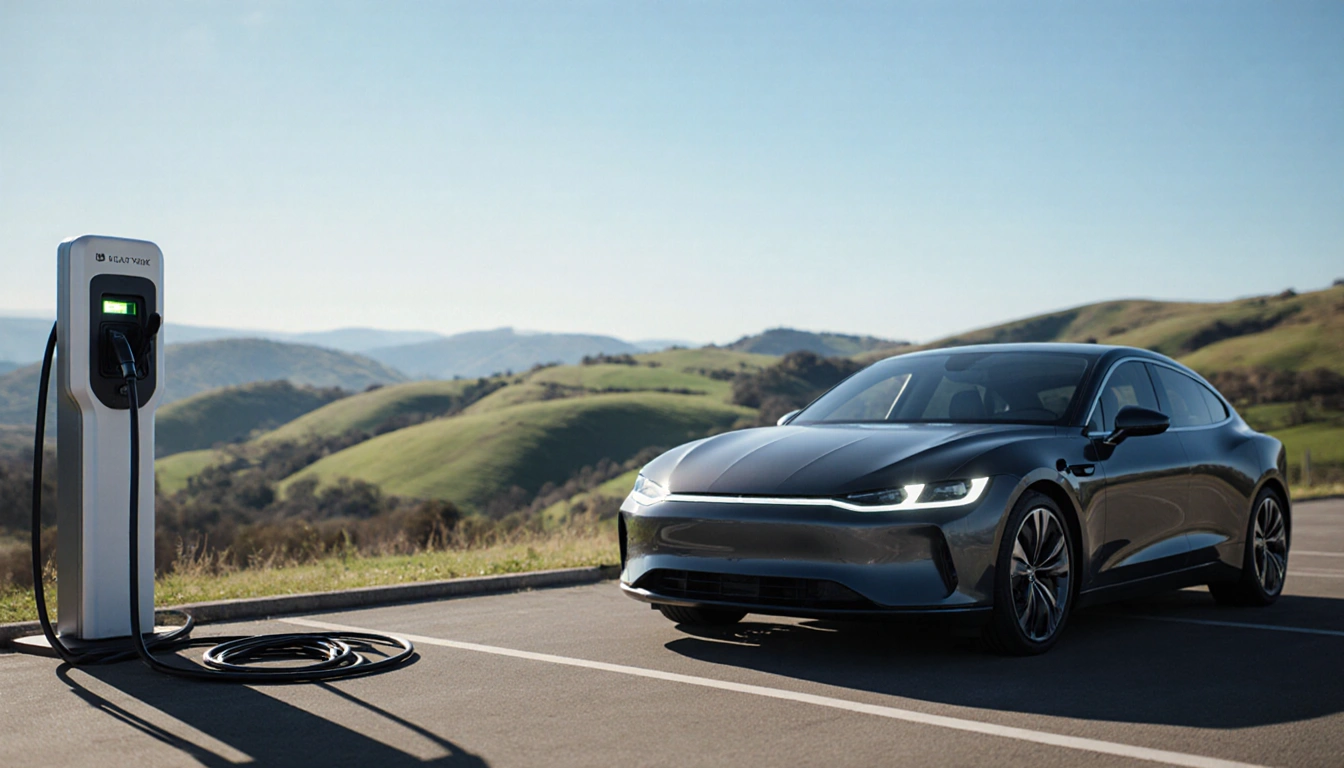
The federal EV tax credit has disappeared, state incentives are uneven, and full electric ownership still demands careful planning. These conditions create a rare sweet spot for plug-in hybrids, which combine electric efficiency with the flexibility of gasoline. As the market shifts, PHEVs are stepping into the spotlight.
Plug-in hybrids allow drivers to use electricity for daily commutes while keeping gasoline for longer journeys. This dual-mode operation reduces fuel use without the range anxiety that plagues pure EVs. The result is a practical solution that fits many modern lifestyles.
Automakers are no longer treating PHEVs as experiments. They are now building them like real cars, with refined powertrains, modern interiors, and robust warranties. The industry’s focus on quality signals a long-term commitment to the segment.
PHEVs are efficient, quick, and comfortable, making them easier to live with than many full EVs. Their electric range is sufficient for most daily trips, and the gasoline backup removes the need for extensive charging infrastructure. This blend of convenience and performance appeals to a broad audience.
The Rise of Plug-in Hybrids
In 2025, plug-in hybrids are thriving, offering real electric range, fuel savings, and flexibility. Their popularity grows as federal incentives wane and consumers seek reliable alternatives. The segment’s growth reflects a shift toward practical electrification.
Model Showdown
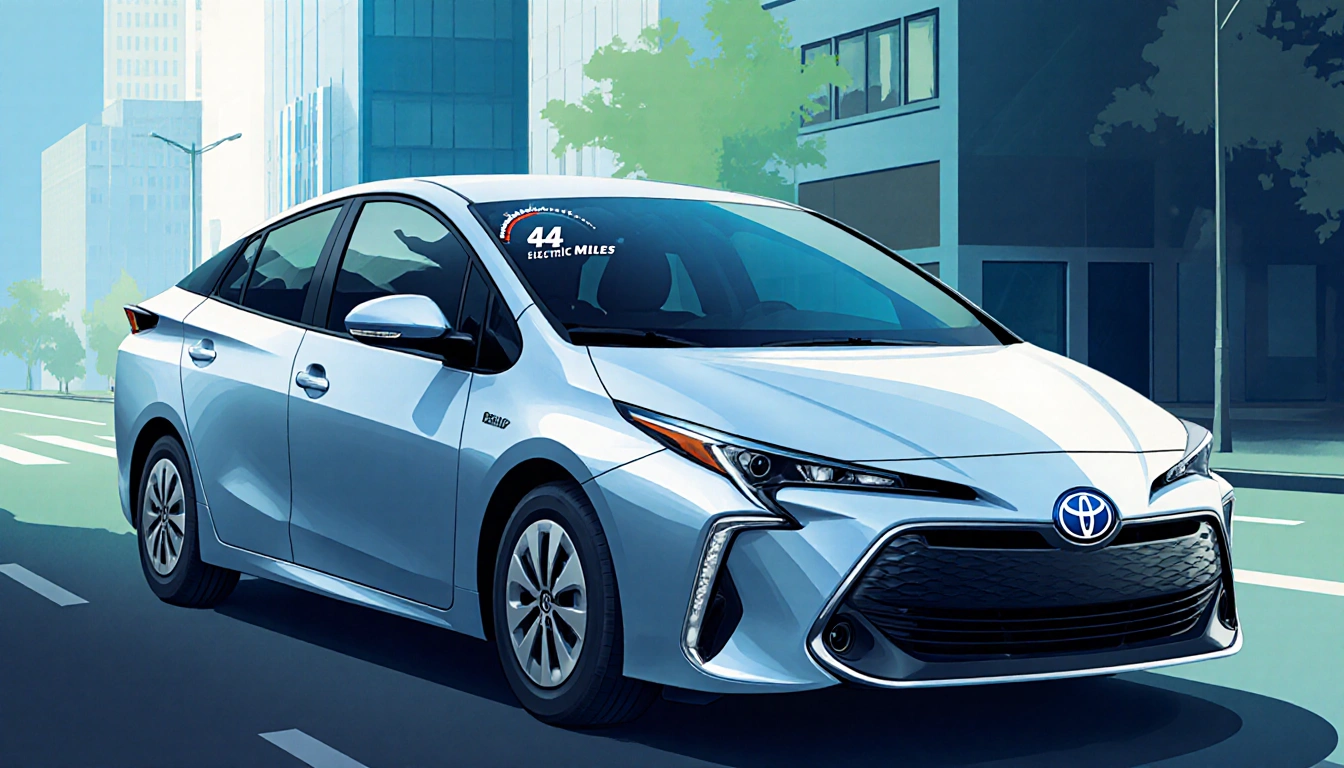
The Toyota Prius Plug-in Hybrid delivers up to 44 electric miles and about 600 total miles of range. It boasts 220 horsepower and a clean, modern interior, giving it a confident feel. The Prius remains a top choice for drivers who prioritize electric mileage.
The Hyundai Tucson Plug-in Hybrid balances value and polish. With 32 electric miles, 261 horsepower, and standard all-wheel drive, it feels premium without a premium price. Its design and performance make it an attractive option for families.
The Kia Sportage Plug-in Hybrid matches the Tucson’s drivetrain but adds standout cargo space and a long warranty. These features make it a favorite for active households that need versatility. Its practicality extends beyond performance.
The Kia Sorento Plug-in Hybrid offers genuine three-row seating and 31 to 32 electric miles. Its family-friendly usability is rare among PHEVs, making it an ideal choice for larger groups. The Sorento’s design emphasizes comfort and space.
The BMW X5 xDrive50e delivers 483 horsepower and up to 40 electric miles. Its acceleration rewrites expectations for luxury SUVs, proving that electrification can be powerful as well as subtle. The X5 is a statement of performance and style.
Who Should Consider a PHEV?
These vehicles are ideal for buyers who can charge at home and want electric commuting without road-trip anxiety. Families, commuters, and dog owners will find real advantages here. The convenience of home charging and electric range suits many daily routines.
If charging access is limited, a standard hybrid may be a better fit. Those who want full electric driving and live in a well-supported charging area should still consider a BEV. PHEVs quietly solve the most common problems for the in-between group.
Why PHEVs Matter Long-Term
Plug-in hybrids are no longer a temporary solution. They are a practical long-term answer for buyers navigating an uneven transition to electrification. They reduce fuel use, lower emissions, and remove charging stress, all without forcing lifestyle compromises. In today’s market, that makes them one of the smartest choices available.
Quick Picks
- Best Value: Hyundai Tucson Plug-in Hybrid
- Best Electric Range: Toyota Prius Plug-in Hybrid
- Best for Dogs and Cargo: Kia Sportage Plug-in Hybrid
- Best for Families: Kia Sorento Plug-in Hybrid
- Best for Bragging Rights: BMW X5 xDrive50e
Key Takeaways
- Plug-in hybrids offer real electric mileage while retaining gasoline backup.
- Top models provide a range of power, space, and luxury options.
- They address charging challenges without compromising lifestyle.
Plug-in hybrids are shaping the future of automotive electrification, offering a balanced blend of efficiency, performance, and practicality. As incentives shift and infrastructure evolves, these vehicles provide a reliable path for drivers seeking the best of both worlds.