The U.S. military carried out another strike on a drug-smuggling boat in the eastern Pacific, killing one person.
The Strike
U.S. Southern Command said the low-profile vessel was transiting known narco-trafficking routes in the Eastern Pacific and was engaged in narco-trafficking operations, though no evidence was provided.
Video Evidence
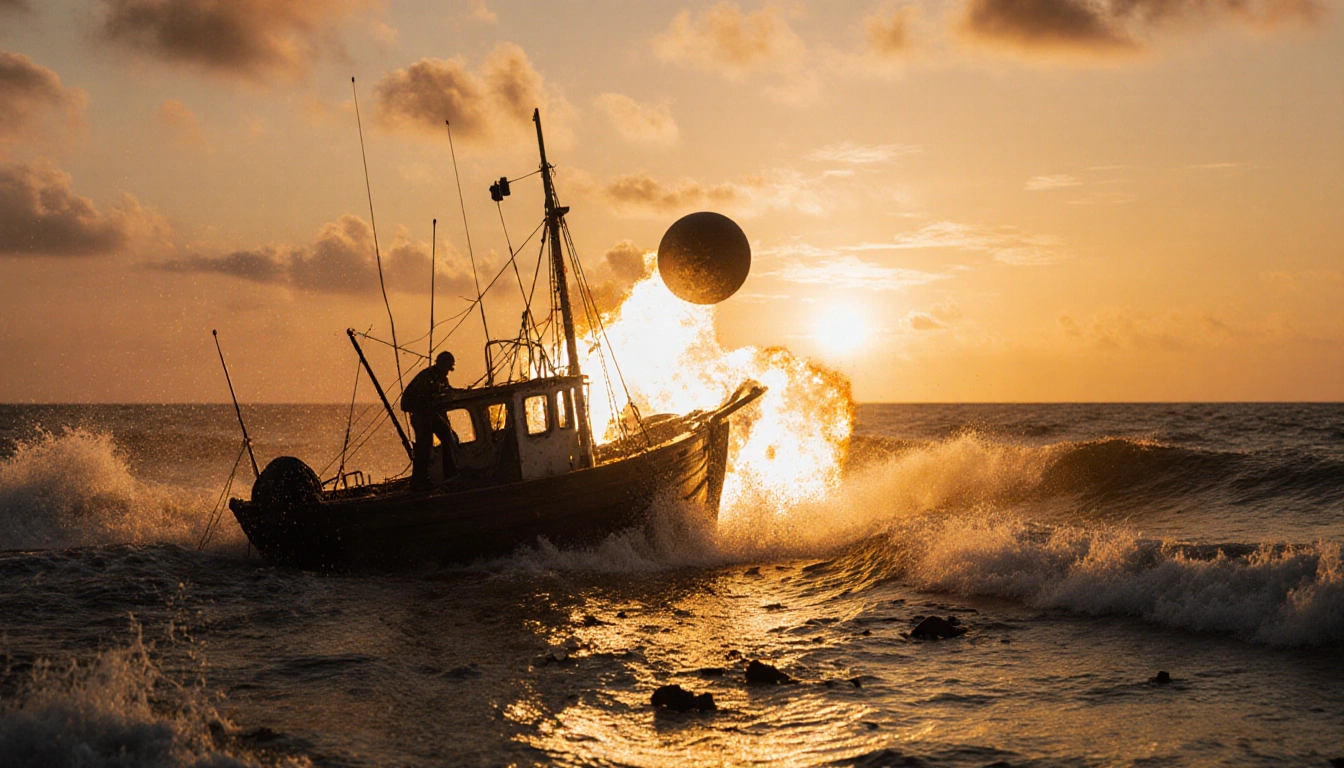
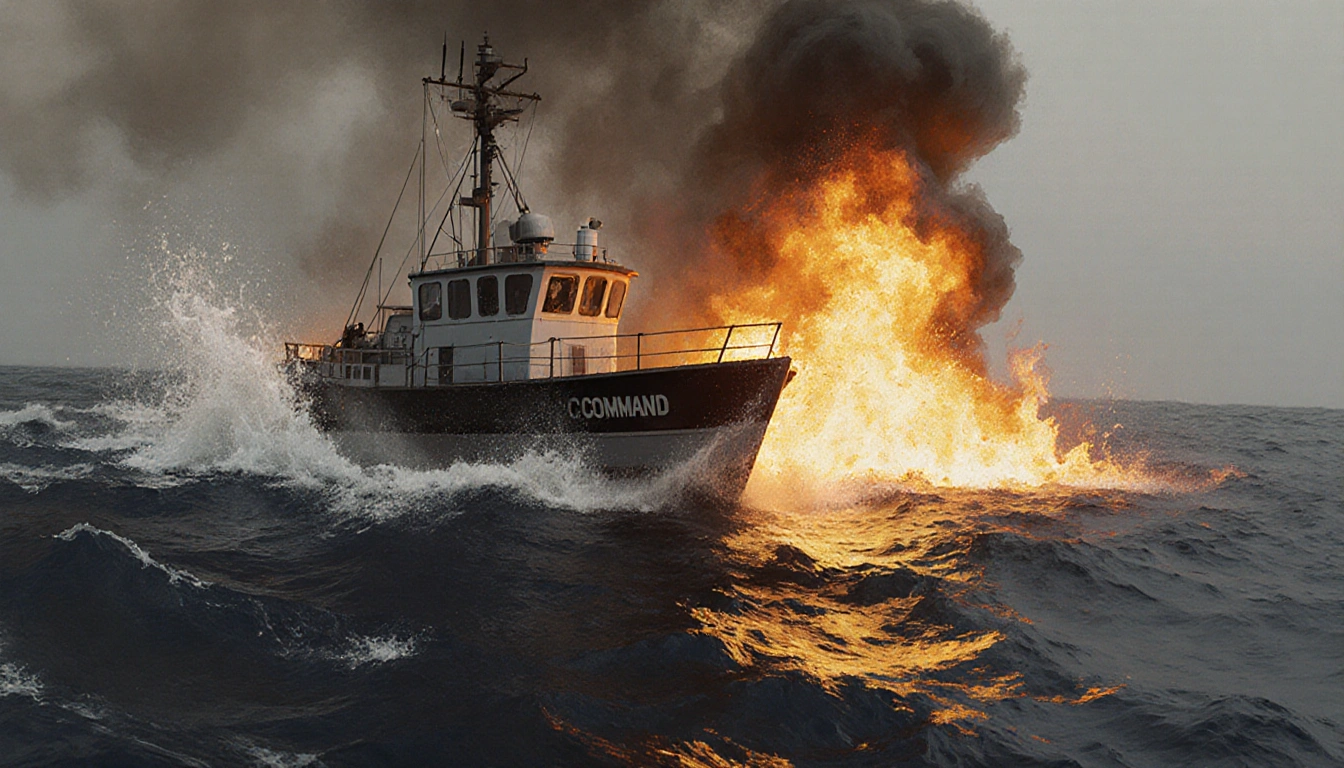
A video posted by Southern Command shows splashes of water near one side of the boat. After a second salvo, the rear catches fire, more splashes engulf the craft, and the fire grows. In the final frame, the vessel drifts with a large patch of fire beside it.
Earlier strike videos showed vessels suddenly exploding, suggesting missile strikes, with visible rocket-like projectiles descending on the boats.
Political Context
The Trump administration said the strikes were intended to stop the flow of drugs into the U.S. and to increase pressure on Venezuelan President Nicolás Maduro.
Since early September, at least 105 people have been killed in 29 known strikes. The campaign has faced scrutiny from U.S. lawmakers and human rights activists who say the administration offered scant evidence that its targets are drug smugglers and that the fatal strikes amount to extrajudicial killings.
Meanwhile, the U.S. Coast Guard has stepped up efforts to interdict oil tankers in the Caribbean Sea as part of the administration’s escalating campaign against Maduro.
Key Takeaways
- One person killed in the latest eastern Pacific strike.
- 105 deaths in 29 strikes since September.
- Strikes criticized for lack of evidence and alleged extrajudicial killings.
The U.S. military’s continued use of force against suspected drug vessels in the Pacific has drawn criticism for its lack of transparency and the high human cost.