
With Affordable Care Act subsidies set to expire on Dec. 31, a clash between moderate Republicans and House leadership threatens a vote on extending payments that millions of Americans rely on.
The Amendment Proposal
Rep. Brian Fitzpatrick (R‑Pa.) and other GOP centrists plan to introduce an amendment in the House Rules Committee on Tuesday. The amendment would pair a two‑year extension of the subsidies with eligibility reforms, according to a House GOP staffer who spoke on the condition of anonymity. The measure incorporates key provisions of a bill Fitzpatrick and Rep. Jared Golden (D‑Maine) previously introduced, but it does not contain the bill’s proposed reforms to the pharmacy benefits manager industry.
Leadership vs. Moderates
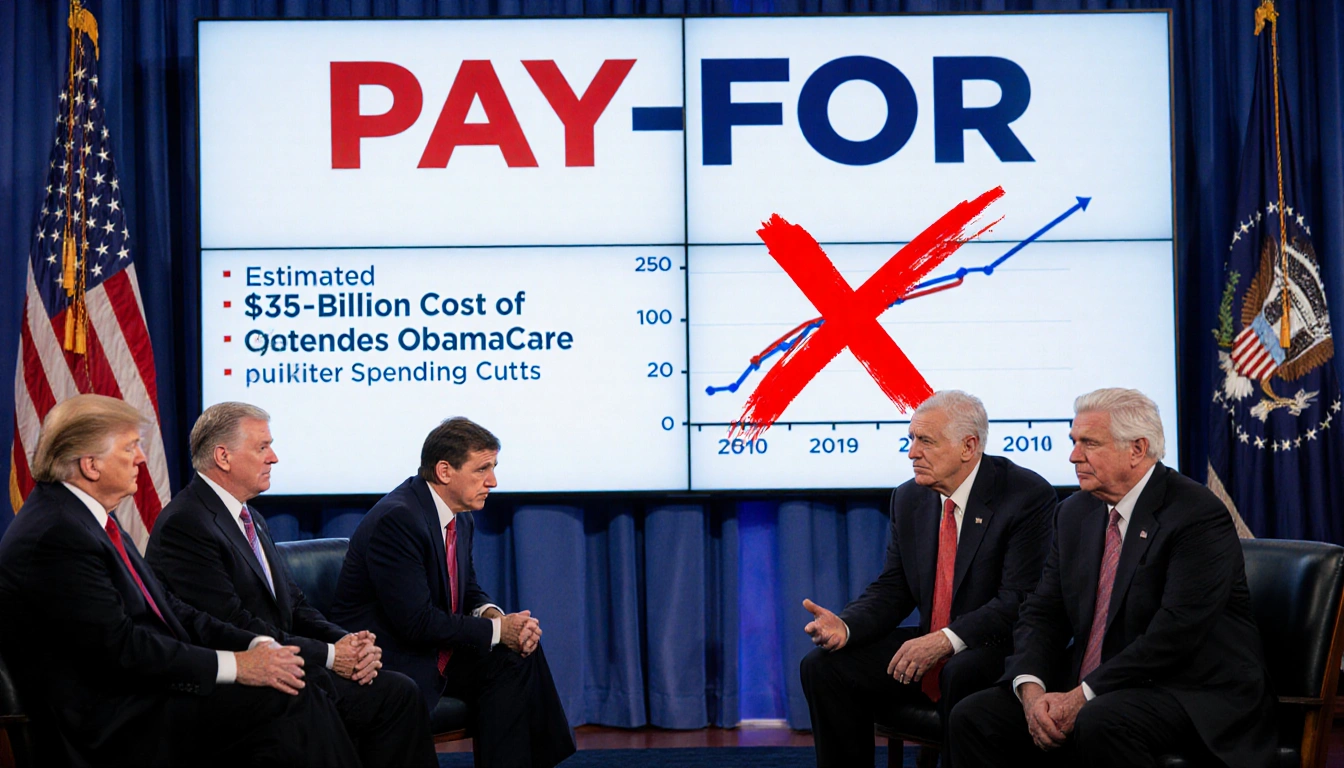
GOP leadership insisted the extension needed to be offset with spending cuts, a demand the moderates balked at. Conservatives opposed to extending the subsidies have frequently cited the cost, which is estimated to be at least $35 billion per year. The staffer said: “I think leadership was supportive of our efforts to put forth an amendment. Where there was some disagreements was if a pay‑for would be included, or if a pay‑for would not be included,” a GOP staffer said. “Our members felt strongly that, since this is their amendment, they didn’t want to include any pay‑fors or cuts to mandatory spending when it would have to be health care related. So that was a no‑go for them. So that was kind of where the conversations kind of met a sticking point, and it was — I don’t think either side were willing to really move on that,” the source said.
The amendment’s fate in the Rules Committee is uncertain, as the committee includes a number of conservative spending hawks. Speaker Mike Johnson (R‑La.) has said he understands moderates are worried about the politics of not extending the subsidies, but he has given no indication that he is interested in passing any such legislation.
Broader GOP Health Bill
The amendment moderates are pushing would be attached to a broader GOP health care package introduced by Johnson late last week. The package would appropriate funds to pay for cost‑sharing reductions in ObamaCare, a complicated move that will lower premiums for some people but decrease the overall amount of subsidies and make premiums more expensive for others. It would also expand association health plans and make it easier for businesses to fund their own insurance plans, but it would not address expiring enhanced ObamaCare subsidies.
What comes after the amendment is introduced in committee remains unclear. If the amendment were added to the package, it would likely face opposition from hard‑line conservatives who are staunchly opposed to extending the subsidies. A majority of Democrats will also likely vote against the GOP bill, regardless.
Democratic Opposition
House Minority Leader Hakeem Jeffries (D‑N.Y.) slammed the package as “toxic legislation that is completely unserious.” He told MS NOW last week that even if the measure is amended, it’s not clear to him “that it will actually solve the problem of addressing the Republican health crisis.” Some Democrats previously told The Hill they favor the Kiggans and Gottheimer bill because it has fewer eligibility restrictions and other conservative policies.
Rep. Chip Roy (R‑Tex.) said on the House floor Friday: “My Democratic colleagues broke health care, and now they are down here saying we must give more money to insurance companies,”. “Any Republican who goes along with that needs to answer for doing the same thing.”
Rep. Ralph Norman (R‑S.C.) wrote on X that, “Obamacare promised affordable care. Instead, families are stuck with soaring premiums, shrinking networks, and Washington red tape. America deserves a patient‑centered system, NOT a government‑centered one.”
Potential Next Steps
If the amendment fails to be adopted in committee, GOP moderates would need to decide whether to vote against the larger package or what their next step would be. One option at their disposal is to gather more support for one of the discharge petitions they introduced aimed at forcing floor action on bills to extend the ACA subsidies. One petition would force action on Fitzpatrick and Golden’s bill. Another would force action on a bill by Reps. Jen Kiggans (R‑Va.) and Josh Gottheimer (D‑N.J.) to extend the subsidies for one year with modest adjustments to eligibility. Both efforts have some GOP signatures on them but would still require significant Democratic support.
Jeffries said last week he was “actively reviewing” both and that he’ll have more to say about it early this week. “We’re going to evaluate every single good faith proposal, but it has to meaningfully provide certainty to the American people who are at risk of having their health care ripped away from them,” he said. Jeffries and other Democrats have also been pressing Republicans to join their discharge petition to advance a three‑year extension of the ACA subsidies. The effort is just four Republican signatures short of the 218 needed to move forward.
Key Takeaways
- A two‑year extension of ACA subsidies is at risk as moderates and GOP leadership clash over spending cuts.
- The proposed amendment would be tied to a broader GOP health package that does not address expiring subsidies.
- Democrats, led by Hakeem Jeffries, oppose the package and are pushing discharge petitions for subsidy extensions.
The deadline for action is looming. With subsidies set to expire on Dec. 31, the House must resolve its internal divisions before the end of the year, or millions of Americans will face a sharp increase in health insurance costs ahead of the 2026 midterm elections.