If you’ve been frustrated by slow pages or glitchy video calls, the FCC’s latest update to its interactive map might give you a clearer picture of what’s possible in your neighborhood.
How the FCC Map Works
The FCC’s interactive map is a tool that lets consumers enter their exact address and see a list of available internet service providers. For each provider, the map displays the type of technology-copper, fiber, or other-and the maximum advertised upload and download speeds that the provider promises for that address. By comparing the options side by side, users can quickly identify which plans deliver the fastest speeds in their area.
Case Study: Sacramento Governor’s Mansion
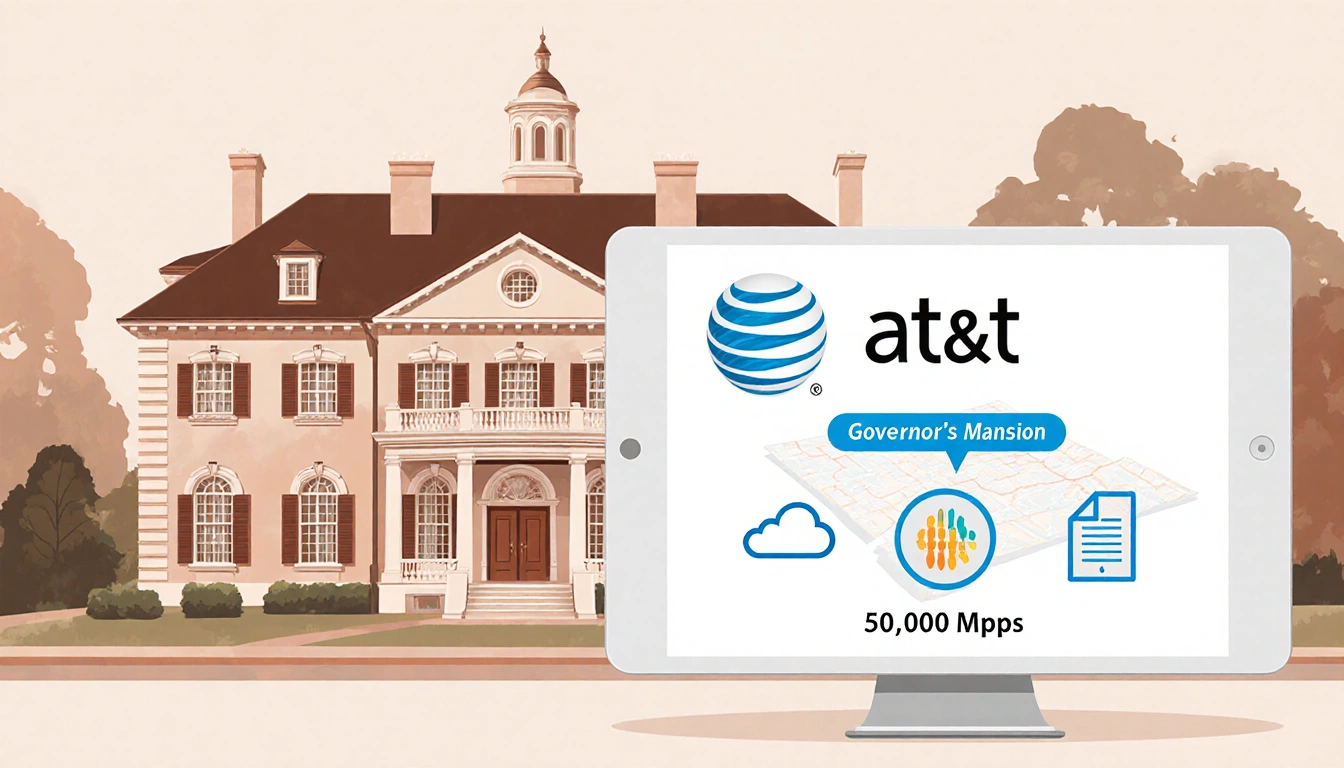
Take the Governor’s Mansion in Sacramento, California, for instance. When its address was entered into the map, several providers appeared. AT&T’s fiber service topped the list, offering a maximum advertised speed of 5,000 megabits per second for both upload and download. That figure is the highest speed listed for that location and demonstrates the level of service that a resident could expect if they chose AT&T’s fiber plan. The map also shows the technology type for each provider, allowing users to see whether the service is delivered over copper or fiber.
What Speeds Mean for Everyday Use
Speed recommendations from the FCC help translate raw numbers into real-world expectations. The agency suggests that a download speed of around 10 megabits per second is sufficient for downloading files, while 5 to 8 megabits per second can support streaming high-definition video. For ultra-high-definition 4K streaming, the FCC recommends a minimum of 25 megabits per second. The more people in a household using the internet simultaneously-such as one person streaming a show, another on a video call, and a third scrolling social media-the greater the bandwidth required to keep all activities smooth.
Upload Speeds and the 2024 Definition
In 2024 the FCC redefined what counts as “high-speed” internet. Under the new definition, broadband must provide a download speed of at least 100 megabits per second and an upload speed of at least 20 megabits per second. This change highlights the importance of upload speed for activities such as video conferencing, cloud backups, and online gaming. The updated criteria also influence how providers market their plans and how consumers evaluate the true value of a service.
Understanding Speed Recommendations
The FCC’s speed guidelines are designed to match common online activities:
- 10 Mbps for basic file downloads and general web browsing.
- 5-8 Mbps for smooth HD video streaming on a single device.
- 25 Mbps for reliable 4K Ultra-HD streaming.
These thresholds give consumers a quick reference for what to expect when they choose a plan, especially when multiple users are sharing the same connection.
What the 2025 Data Means
The FCC’s updated map now incorporates data projected for 2025, giving users a forward-looking view of potential service availability. By including future estimates, the map helps illustrate how broadband infrastructure is expected to evolve over the next few years and allows consumers to plan ahead for upcoming service expansions or upgrades.
The Rural Broadband Gap
Despite the new tools and clearer definitions, the FCC estimates that 24 million Americans still lack access to high-speed internet. Many of those affected live in rural areas or on tribal lands, where infrastructure investments have lagged. The lack of reliable broadband can hinder remote work, online learning, and telehealth services, making it harder for residents to participate fully in modern economic and social life.
Consumer Tips for Choosing a Provider
When using the FCC map, consumers should:
- Compare the maximum advertised upload and download speeds for each provider.
- Note the technology type-fiber typically offers the fastest speeds, while copper may be slower.
- Consider the number of household users and their typical activities to determine the required bandwidth.
- Verify that the provider’s advertised speeds meet or exceed the FCC’s high-speed definition of 100 Mbps download and 20 Mbps upload.
By following these steps, users can make a more informed decision that aligns with their internet needs.
Key Takeaways
- The FCC’s interactive map shows available providers, technology types, and advertised speeds for any address.
- AT&T’s fiber service at Sacramento’s Governor’s Mansion offers the fastest advertised speed at 5,000 Mbps.
- FCC recommends 10 Mbps for file downloads, 5-8 Mbps for HD streaming, and 25 Mbps for 4K streaming.
- High-speed internet is now defined as 100 Mbps download and 20 Mbps upload.
- 24 million Americans, many in rural or tribal areas, still lack high-speed broadband.
With the FCC’s updated map and clearer speed benchmarks, consumers can make more informed choices about their internet options. However, the gap in broadband access remains significant, underscoring the need for continued investment and policy efforts to bring high-speed internet to all corners of the country.