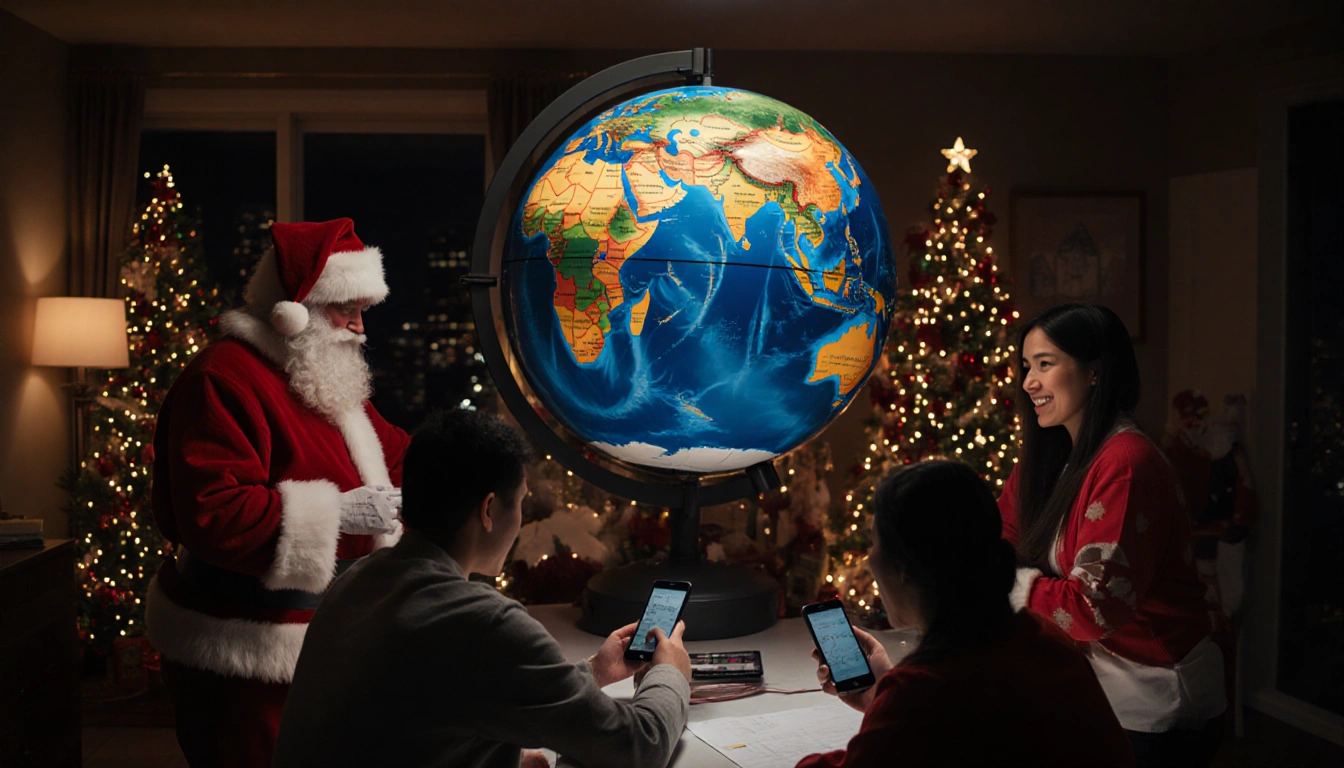
For the 70th year, NORAD’s Santa Tracking hotline is set to answer 380,000 calls from children and adults who want to know if Santa will arrive on time. The operation, which has been running for 70 years, relies on more than 1,000 volunteers who will be on call from 4 a.m. to midnight Mountain Standard Time on Christmas Eve.
1. The 70-Year Tradition
The North American Aerospace Defense Command has turned a Cold-War-era surveillance network into a holiday tradition. Volunteers answer the dedicated line, 1-877-HI-NORAD, and now can also place a call through the program’s website. The website offers a live feed of Santa’s journey in nine languages, including English and Japanese, making it easier for people outside North America to participate.
2. Tracking Santa’s Flight
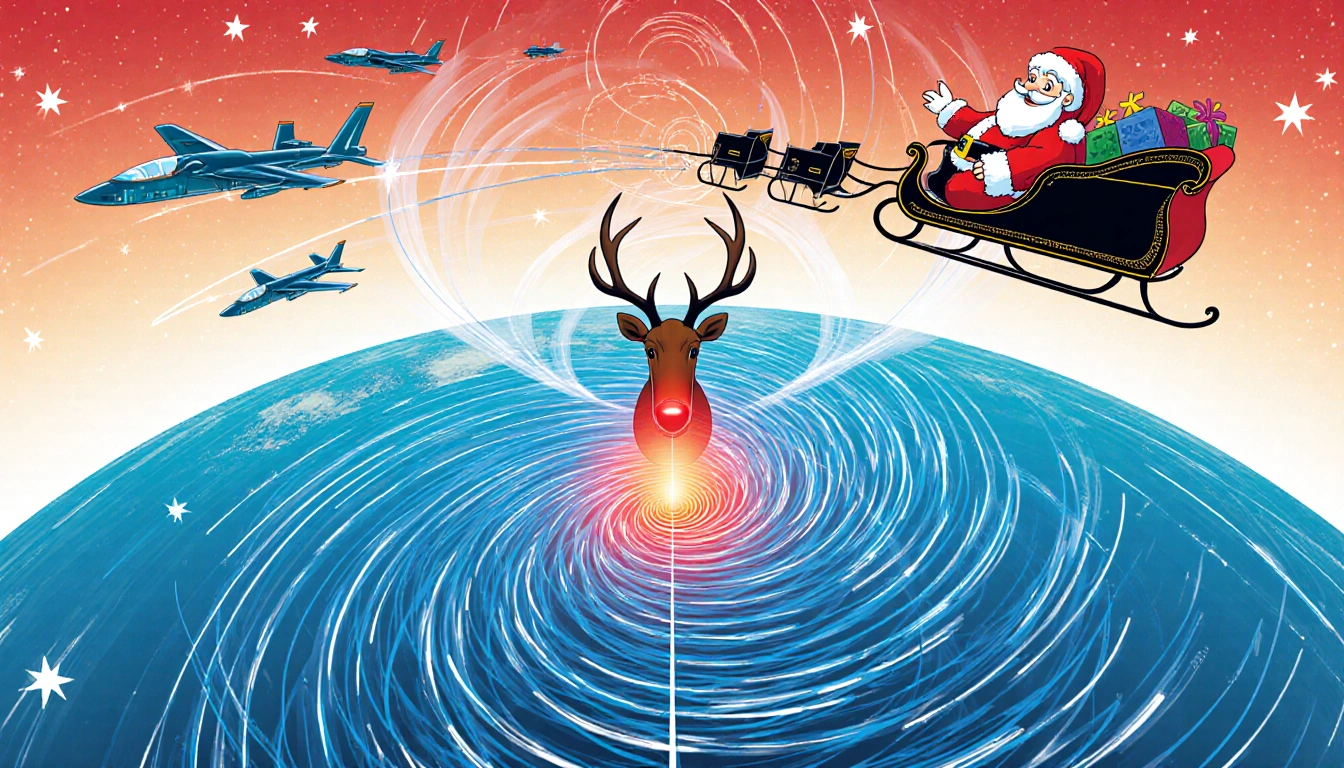
“Rudolph’s nose gives off a heat signature similar to a missile that is picked up by NORAD’s satellites,” said Col. Kelly Frushour, a NORAD spokesperson. The same radar, satellite and jet resources that keep the skies safe also allow the command to track Santa’s progress from the international date line across the Pacific Ocean. Frushour added that “Santa travels faster than starlight,” a playful reminder that the jets can’t keep pace with the jolly rider.
3. New Online Call Option
The 2024 program expands the traditional phone line with an online portal. Callers can now log in to the website and receive real-time updates on Santa’s route. The portal supports nine languages and is designed to reach audiences beyond the United States and Canada, reflecting the growing global interest in the holiday tradition.
4. Heartwarming Stories
Last year, one girl was upset after hearing that Santa was headed to the International Space Station, where two astronauts were stranded. “Thankfully, by the time the call was over, Santa Claus had moved on to another destination and the child was reassured that Santa was not trapped in space and was going to make it to her house later that evening,” Frushour said.
A man with special needs named Henry, who calls every year, once asked if the jet pilot escorting Santa through North America could put a note in the plane letting Santa know he was in bed and ready for him to come. “I don’t know that our pilot can catch up with him fast enough. He just waves and he goes,” said Michelle Martin, a NORAD staffer and Marine veteran.
5. The Origin of the Hotline
The tradition began in 1955 when the Continental Air Defense Command, the precursor to NORAD, was monitoring for a possible Soviet nuclear attack. A child mistakenly called the combat operations center and asked to speak to Santa Claus. The commander on duty, Air Force Col. Harry Shoup, did not want to disappoint the child, so he ordered staffers to start tracking Santa and take calls from children. The first call may have resulted from a misprint or a misdial of a number in a Sears advertisement in a Colorado Springs newspaper. The legend grew into a dedicated hotline that connected the command with a general in case of an attack. In a 1999 interview with the Associated Press, Shoup recalled playing along once he realized what was happening, telling the first caller, “Ho, ho, ho, I am Santa.” He later explained that “the crew was looking at me like I had lost it.”
Key Takeaways
- NORAD’s Santa Tracking hotline will handle 380,000 calls in 2024, supported by 1,000 volunteers.
- The operation uses radar, satellites and jets to track Santa’s route from the international date line to the North American mainland.
- The 2024 program adds an online portal with a live feed in nine languages, expanding global participation.
The holiday tradition continues to bring joy to millions, reminding us that even a military command can play a role in keeping the spirit of Santa alive.