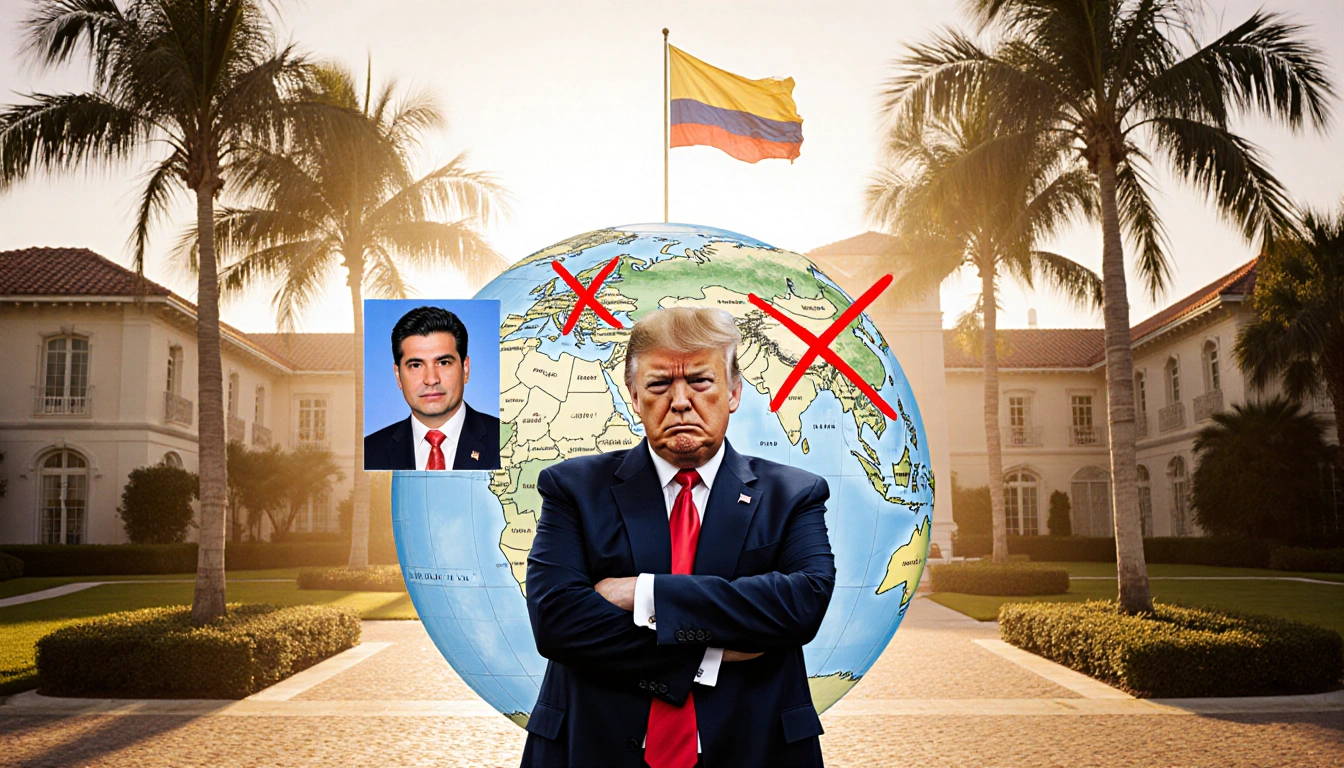
At Mar-a-Lago, former President Donald Trump lashed out at Colombia’s new leader Gustavo Petro, warning that the Colombian president must shut down drug factories that allegedly funnel cocaine into the United States.
Trump’s Accusations
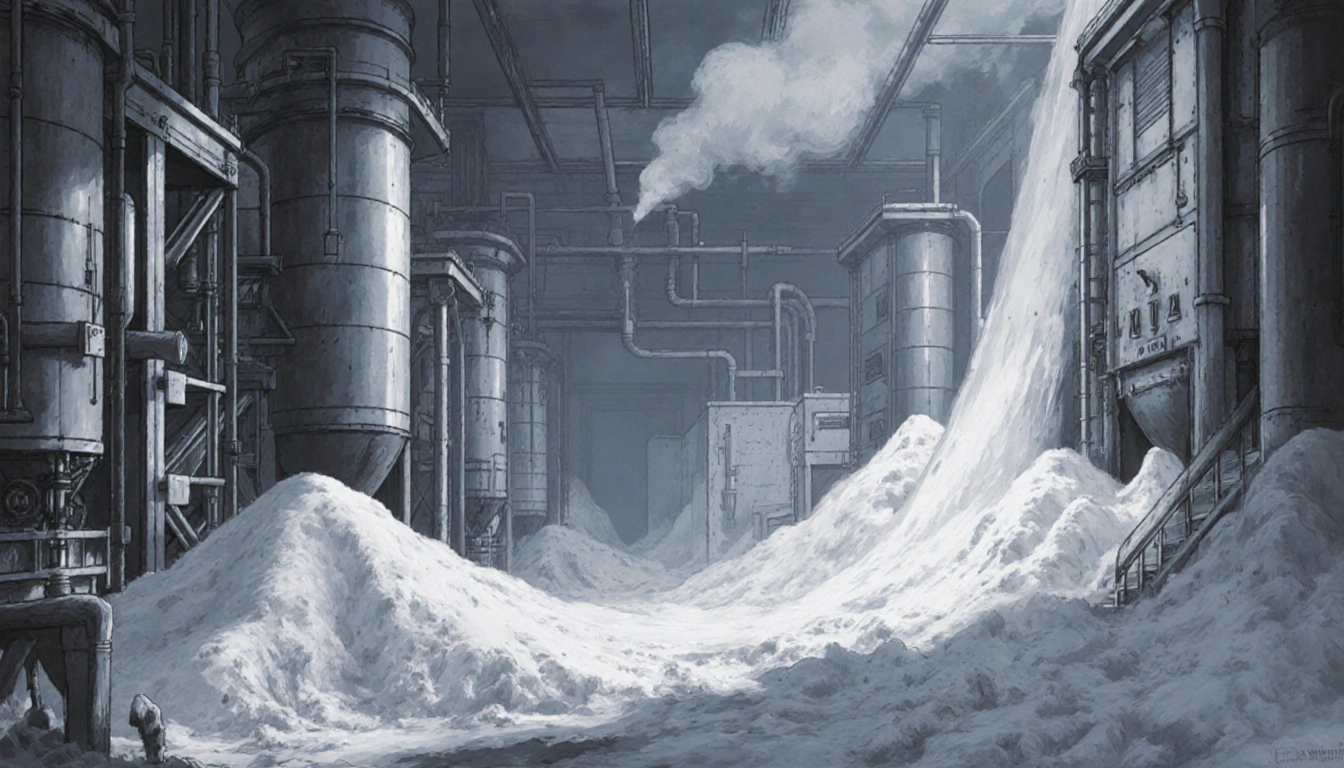
“He has to watch it because he’s got drug factories. They make cocaine in Colombia,” Trump told reporters at Mar-a-Lago on the heels of an announcement about the building of new Navy ships. “He better watch his a– because he makes cocaine and they send it into the United States from Colombia.”
“We love the Colombian people. I love the Colombian people,” the president said. “But their new leader is a troublemaker and he better watch it. He better close up those cocaine factories. There are at least three major cocaine factories. We know where they are.”
Petro’s Response and Context
“Texas is a territory that was invaded. It wasn’t sold. So was California and all of the southern U.S.,” Petro said over the weekend.
The Colombian leader said in an interview with CNN last month that oil was at the center of Trump’s pressure campaign on Venezuela. “So, that’s a negotiation about oil. I believe that is Trump’s logic. He’s not thinking about the democratization of Venezuela, let alone the narco-trafficking,” Petro said.
U.S. Treasury and Sanctions
Trump hit Petro and his family members with sanctions in October.
“President Petro has allowed drug cartels to flourish and refused to stop this activity. Today, President Trump is taking strong action to protect our nation and make clear that we will not tolerate the trafficking of drugs into our nation,” Treasury Secretary Scott Bessent said in a statement.
Key Takeaways
- Trump accused Petro of overseeing cocaine production and urged the shutdown of at least three major drug factories.
- Petro criticized U.S. demands on Venezuela and framed the dispute as an oil negotiation.
- Treasury Secretary Bessent confirmed U.S. sanctions on Petro and his family in October.
The exchange underscores rising tensions between the United States and Colombia amid ongoing disputes over drug trafficking and U.S. policy toward Venezuela.