On Monday, Barry Manilow, the iconic singer known for hits like “Mandy,” posted a startling update on Instagram: he has been diagnosed with lung cancer.
The Diagnosis
The revelation followed a period of illness that began with a six-week bout of bronchitis. Manilow returned to the stage at the Westgate Las Vegas after overcoming that episode, only to experience a second five-week flare-up.
During that time, his physician ordered an MRI to rule out lingering complications. The scan revealed a cancerous spot on his left lung that must be removed.
Manilow explained the findings, saying, “Even though I was over the bronchitis and back on stage at the Westgate Las Vegas, my wonderful doctor ordered an MRI just to make sure that everything was OK. The MRI discovered a cancerous spot on my left lung that needs to be removed. It’s pure luck (and a great doctor) that it was found so early.”
Doctors are confident that the cancer has not spread, and Manilow is currently undergoing additional tests to confirm the diagnosis. The plan is to perform surgery to excise the spot and to monitor for any further complications.
The Treatment Plan
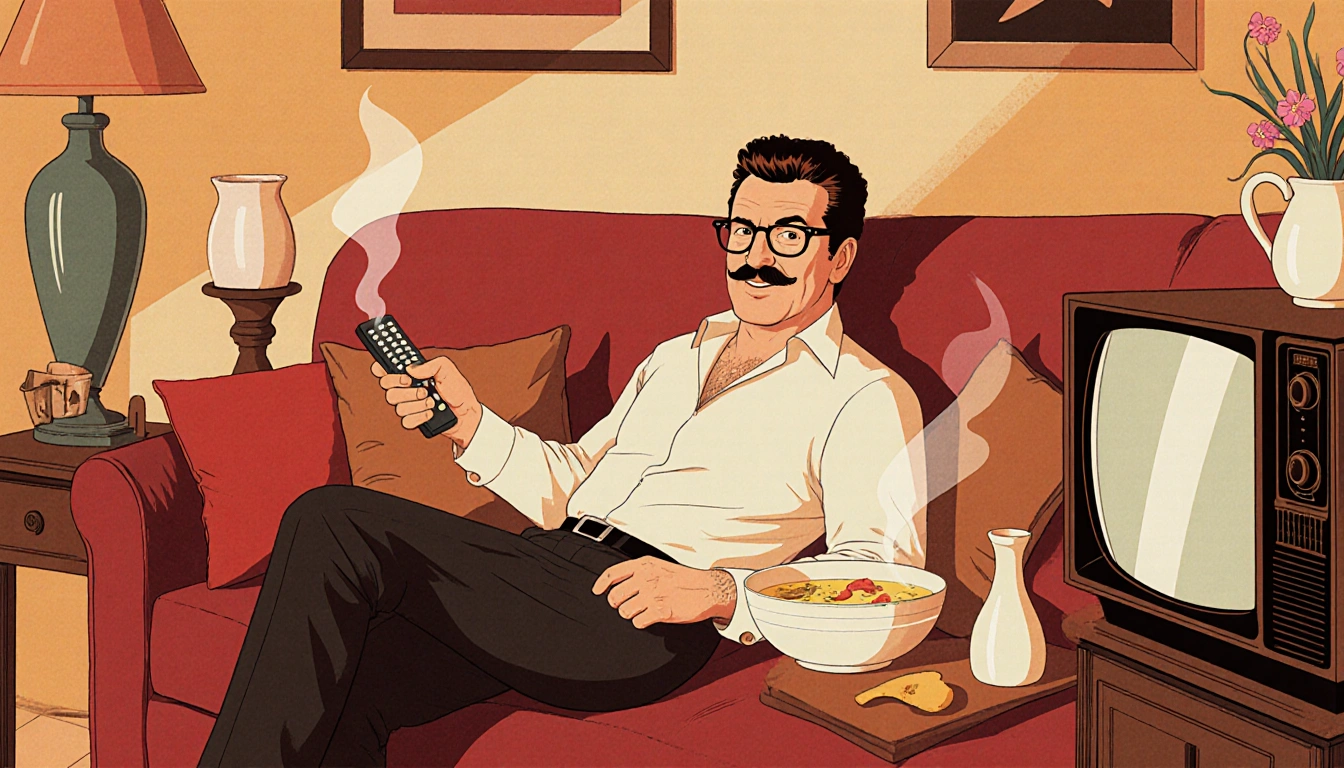
In a candid update about his treatment, Manilow reassured fans that he will not undergo chemotherapy or radiation. He added, “So, that’s it. No chemo. No radiation. Just chicken soup and ‘I Love Lucy’ reruns.”
He also outlined his recovery timeline, noting that the only follow-up period is a month to heal. “The only follow-up is a month to recover, and that means we have to reschedule the January arena concerts,” he said.
Upcoming Shows and Rescheduling
Manilow apologized to his audience for the disruption, expressing regret for the changes in plans. “I’m very sorry that you have to change your plans,” he said. “Just like you, we were all looking forward to the January shows and hate having to move everything around.”
While acknowledging the inconvenience, he also shared excitement about upcoming performances. He highlighted the Valentine’s weekend concerts at the Westgate Las Vegas on February 12, 13, and 14, and mentioned future shows throughout 2026. “In the meantime, I’m counting the days until I return to my home away from home at the Westgate Las Vegas for our Valentine’s weekend concerts on February 12-13-14 and throughout 2026. Something tells me that the February weekend is going to be one big party!” he added.
To keep fans informed, Manilow listed the rescheduled arena dates that will now take place from late February through late April. The new schedule is as follows:
- Tampa, Benchmark International Arena – Feb. 27
- Columbus, Nationwide Arena – March 6
- Charleston, North Charleston Coliseum – March 11
- Orlando, Kia Center – March 13
- Sunrise, Amerant Bank Arena – March 14
- Estero, Hertz Arena – March 16 & 17
- Greensboro, First Horizon Coliseum – April 24
- Jacksonville, VyStar Veterans Memorial – April 27
- Duluth (GA), Gas South Arena – April 29
Health Message and Statistics
Beyond the logistics, Manilow used the platform to deliver a heartfelt holiday message. He wished his fans and followers a wonderful Christmas and a Happy New Year, and he offered a simple but powerful health reminder. “If you have even the slightest symptom… get tested!” he urged.
He concluded the post by citing a statistic from the American Cancer Society, noting that lung cancer, excluding skin cancer, ranks as the second most common cancer among men and women in the United States. The inclusion of this fact underscores the importance of early detection and regular medical check-ups.
Key Takeaways
- Barry Manilow has been diagnosed with lung cancer and will undergo surgery.
- He will not receive chemotherapy or radiation; recovery is expected to take one month.
- January arena concerts are rescheduled to late February through late April, with additional Valentine’s weekend shows in February 2026.
Barry Manilow’s announcement brings a sobering reminder of the prevalence of lung cancer, yet it also highlights the importance of early detection and the resilience of artists who continue to share their music with fans even in the face of serious health challenges.