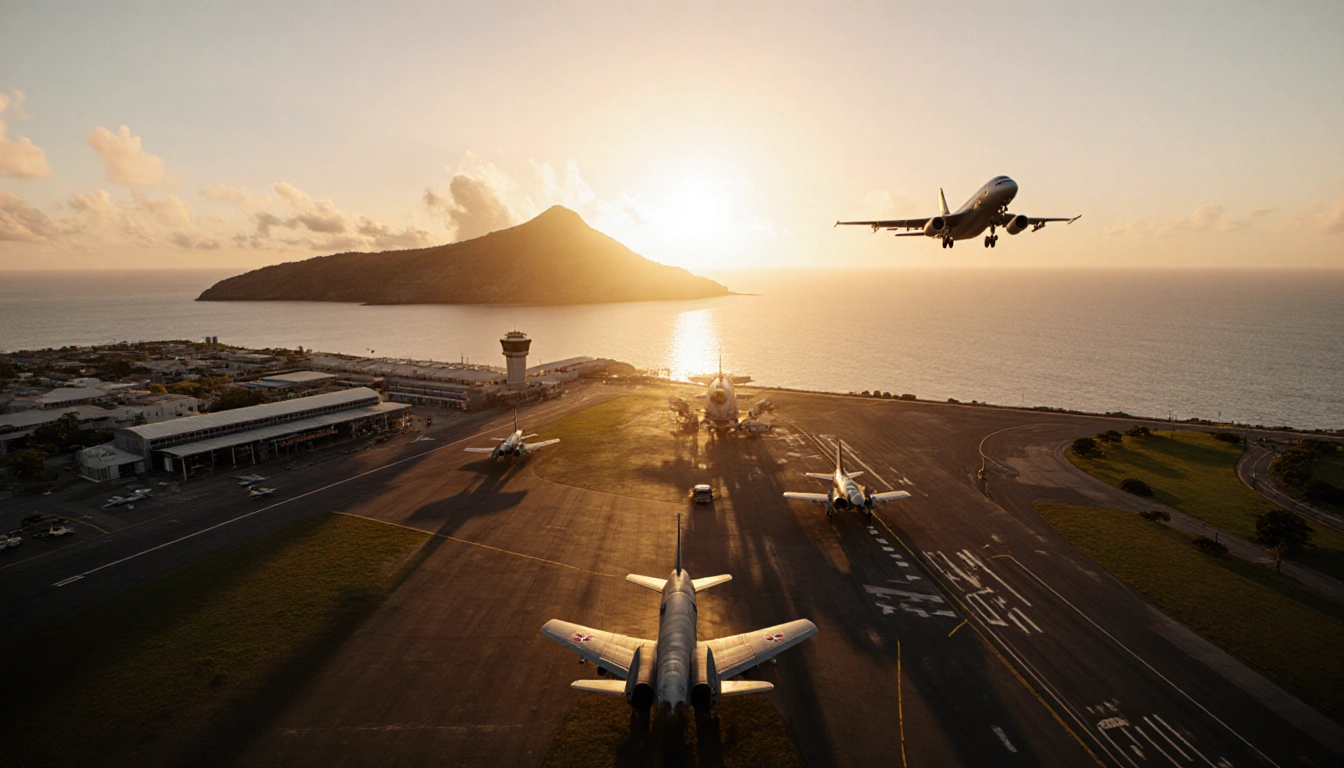
Trinidad and Tobago has granted the United States military permission to use its two main airports, Piarco International in Trinidad and ANR Robinson International in Tobago, in a move that has drawn sharp criticism from Venezuela and domestic opposition.
U.S. Military Access to Trinidadian Airports
In a statement released Monday, the Ministry of Foreign Affairs said the U.S. would use the airports for activity that would be “logistical in nature, facilitating supply replenishment and routine personnel rotations.” The announcement follows the installation of a radar system at the airport in Tobago, which the government says is intended to combat local crime and is not a launchpad for attacks on other countries.
Venezuelan Reactions
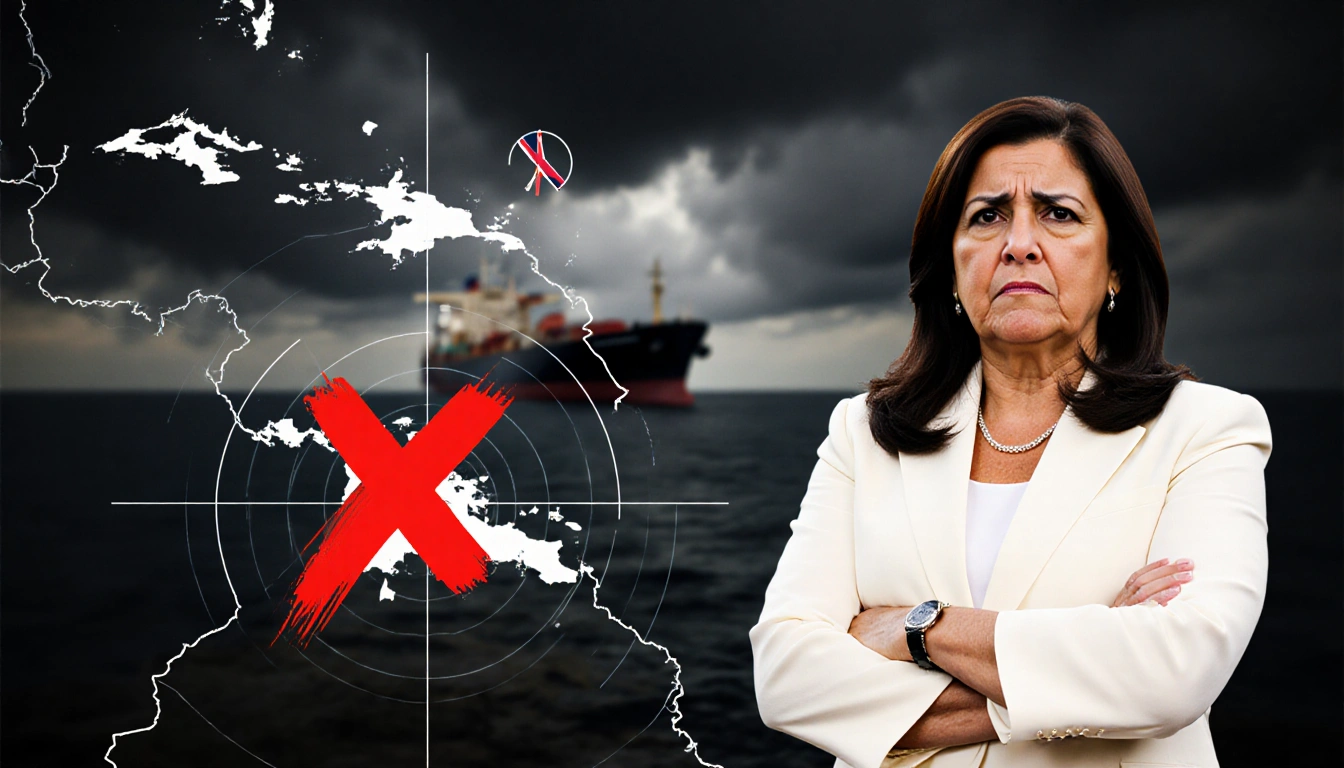
Venezuelan Vice President Delcy Rodríguez immediately announced that Venezuela was canceling any contract, deal or negotiation to supply natural gas to Trinidad and Tobago. She said the government of Trinidad and Tobago had participated in the recent U.S. seizure of an oil tanker off the country’s coast, calling it an “act of piracy.” Rodríguez also accused Prime Minister Kamla Persad‑Bissessar of having a “hostile agenda” against Venezuela, noting the U.S. military’s radar installation in Tobago. “This official has turned the territory of Trinidad and Tobago into a US aircraft carrier to attack Venezuela, in an unequivocal act of vassalage,” she said.
Prime Minister Persad‑Bissessar Responds
Persad‑Bissessar told The Associated Press that she was not bothered by the statement, describing it as ”simply false propaganda.” ”They should direct their complaints to President Trump, as it is the U.S. military that has seized the sanctioned oil tanker. In the meantime, we continue to have peaceful relations with the Venezuelan people,” she said. The prime minister also stressed that Trinidad and Tobago has ”never depended” on Venezuela for natural gas supplies, adding, ”We have adequate reserves within our territory.”
Opposition Criticism
Amery Browne, an opposition senator and former foreign minister, called the government’s announcement ”deceptive.” Browne said that Trinidad and Tobago has become “complicit facilitators of extrajudicial killings, cross‑border tension and belligerence.” ”There is nothing routine about this. It has nothing to do with the usual cooperation and friendly collaborations that we have enjoyed with the USA and all of our neighbors for decades,” he said. He warned that the ”blanket permission” with the U.S. takes the country ”a further step down the path of a satellite state” and embraces a ”’might is right’ philosophy.”
Context: U.S. Actions in the Caribbean
American strikes began in September and have killed more than 80 people as Washington builds up a fleet of warships near Venezuela, including the largest U.S. aircraft carrier. In October, an American warship docked in Trinidad’s capital, Port‑of‑Spain, as the administration of U.S. President Donald Trump boosted military pressure on Venezuela and President Nicolás Maduro. U.S. lawmakers have questioned the legality of the strikes against vessels in the Caribbean and the eastern Pacific Ocean, and recently announced a congressional review of them.
Key Takeaways
- Trinidad and Tobago has granted the U.S. military access to its airports for logistical purposes, following a radar installation in Tobago.
- Venezuela has canceled gas agreements and accused Trinidad and Tobago of facilitating U.S. military actions, calling the partnership “vassalage.”
- Domestic opposition, led by former foreign minister Amery Browne, condemns the move as a step toward becoming a satellite state and a “might is right” philosophy.
The decision comes amid heightened U.S.-Venezuela tensions and domestic debate over Trinidad and Tobago’s strategic alignment.