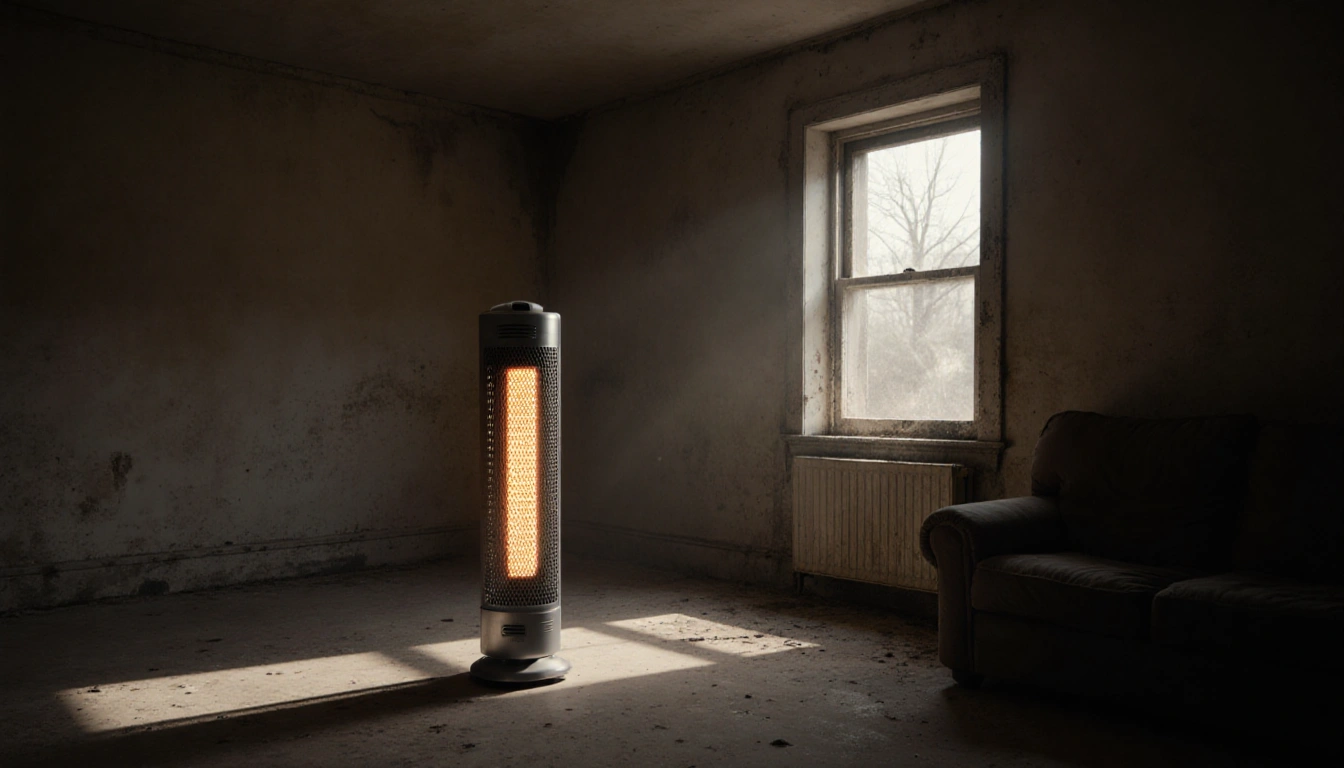
Millions of cash-strapped Americans are about to see their heating bills climb this winter, according to two recent analyses of national energy data. The reports highlight a broad rise in electricity prices that will affect households across the country. The findings are based on data from the National Energy Assistance Directors Association and the U.S. Energy Information Administration. Homeowners relying on electric heating are warned of a noticeable increase in costs.
Both studies point to a nationwide trend of higher electricity costs. MoneyGeek, which used the National Energy Assistance Directors Association data, estimates that electric-heated homes will pay roughly 10% more on average this season. This percentage increase represents a significant burden for families already facing tight budgets. The analysis underscores the importance of understanding regional variations in price changes.
This Old House, drawing on U.S. Energy Information Administration figures, broke down the expected increases by state. The report identifies Maryland and West Virginia as the states with the steepest rises, each projected to add $38 to monthly bills. Other states on the list include Alabama ($35), Virginia ($34), Connecticut ($33), Delaware and Tennessee ($32 each), Hawaii, Kentucky and South Carolina ($30 each). These figures illustrate how different regions will experience varying degrees of cost pressure.
When the focus shifts to natural gas-heated homes, the outlook is somewhat more reassuring. The price of natural gas has remained relatively flat year-over-year, according to This Old House. Roughly half of natural-gas-heated households should see little change in their winter bills. This stability contrasts with the broader electricity price trend.
However, MoneyGeek identifies a notable exception: the Midwest. In that region, households relying on natural gas could see their bills rise by about $3 to $8 per month. The analysis lists Missouri, Michigan, Minnesota, Illinois, Ohio, Kansas, Indiana, Wisconsin, Nebraska, North Dakota, Iowa and South Dakota as the states most likely to experience these modest increases. Every other state is projected to see natural gas heating costs stay level or even decline slightly during the winter.
The Northeast faces the highest overall heating costs, driven by colder temperatures and older housing stock that requires more energy to heat. In Massachusetts and Connecticut, average winter heating bills are expected to exceed $1,000, with Rhode Island, Alaska and New York not far behind. These high costs reflect the combination of climate, building age, and energy mix in the region. Consumers in these states should anticipate significant utility expenses during the cold season.
In contrast, the warmer Southwest-states such as Nevada, Arizona and New Mexico-tend to have the lowest winter utility bills. The milder climates in these areas reduce the need for heating, leading to lower overall consumption. The data suggest that households in the Southwest will face comparatively modest increases in utility costs. This regional difference highlights how weather patterns shape energy expenses.
Taken together, the data suggest that while electric heating users nationwide will face a noticeable increase in costs, natural gas users will largely see stable prices, except for a handful of Midwest states where modest hikes are anticipated. For households in the Northeast, the combination of high heating demand and older homes means winter bills will remain a significant expense. The analyses provide a detailed snapshot of how different energy sources and regions are affected by market dynamics. Homeowners can use this information to plan for the upcoming winter.
Both MoneyGeek and This Old House rely on reputable data sources, ensuring that the projections are grounded in current market conditions. The National Energy Assistance Directors Association and the U.S. Energy Information Administration offer comprehensive datasets that cover electricity and natural gas prices nationwide. By interpreting these datasets, the analyses reveal clear patterns in how heating costs are shifting. The findings serve as a useful guide for consumers and policymakers alike.
The key takeaway for consumers is that electric heating will likely become more expensive across the country, with certain states experiencing the largest jumps. Natural gas heating, on the other hand, remains largely stable, except in the Midwest where modest increases are expected. Regional differences in climate and infrastructure play a significant role in shaping these cost trends. Understanding these dynamics can help households prepare for the financial impact of winter heating.
Homeowners can mitigate the impact of rising electric heating costs by investing in insulation and weather-stripping. Using programmable thermostats helps maintain comfortable temperatures while reducing energy waste. Sealing drafts around windows and doors can lower heating demand. Simple maintenance, such as cleaning furnace filters, also contributes to more efficient operation.
Policymakers may consider expanding utility assistance programs to help low-income families cope with higher heating bills. State energy agencies could offer rebates for energy-efficient upgrades. Regulatory bodies might review rate structures to ensure fairness across different regions. Public awareness campaigns can educate residents about available support options.
The analyses paint a clear picture of how heating costs are evolving across the United States. While electric heating users face a noticeable rise, natural gas users remain largely stable, with a few exceptions. Regional differences driven by climate and infrastructure shape the magnitude of these changes. Consumers, planners, and policymakers can use these insights to navigate the upcoming winter.
Energy mix variations also influence cost trends. States with higher reliance on fossil fuels may experience different price dynamics than those leaning on renewables. The data show that electricity price hikes are widespread, regardless of the underlying energy source. Understanding these nuances helps contextualize the projected increases.
Overall, the findings emphasize the importance of preparing for higher utility expenses during the cold season. The combination of increased electricity costs and regional heating demands will test household budgets. By staying informed and taking proactive steps, residents can better manage the financial strain of winter heating.
Both MoneyGeek and This Old House rely on reputable data sources, ensuring that the projections are grounded in current market conditions. The National Energy Assistance Directors Association and the U.S. Energy Information Administration offer comprehensive datasets that cover electricity and natural gas prices nationwide. By interpreting these datasets, the analyses reveal clear patterns in how heating costs are shifting. The findings serve as a useful guide for consumers and policymakers alike.
These insights should inform budgeting decisions for the upcoming winter months. Understanding the regional variations can help households anticipate their specific cost increases. Consumers can also explore energy-saving measures to offset the projected rises.
Staying ahead of these changes can reduce the overall financial impact on families. Early preparation and informed choices are key to managing winter heating costs.