

After deadly July floods, Texas lawmakers passed a law that would force youth camps to install fiber-optic internet and a backup connection-a requirement that many camp operators say will be impossible to meet before next summer.
The New Requirement
The Youth CAMPER Act, known as HB 1, mandates that camps have an internet connection using end-to-end fiber-optic facilities and a distinct backup connection. Failure to comply could lead the Texas Department of State Health Services (DSHS) to deny or suspend a camp’s license.
Camp Operators’ Concerns
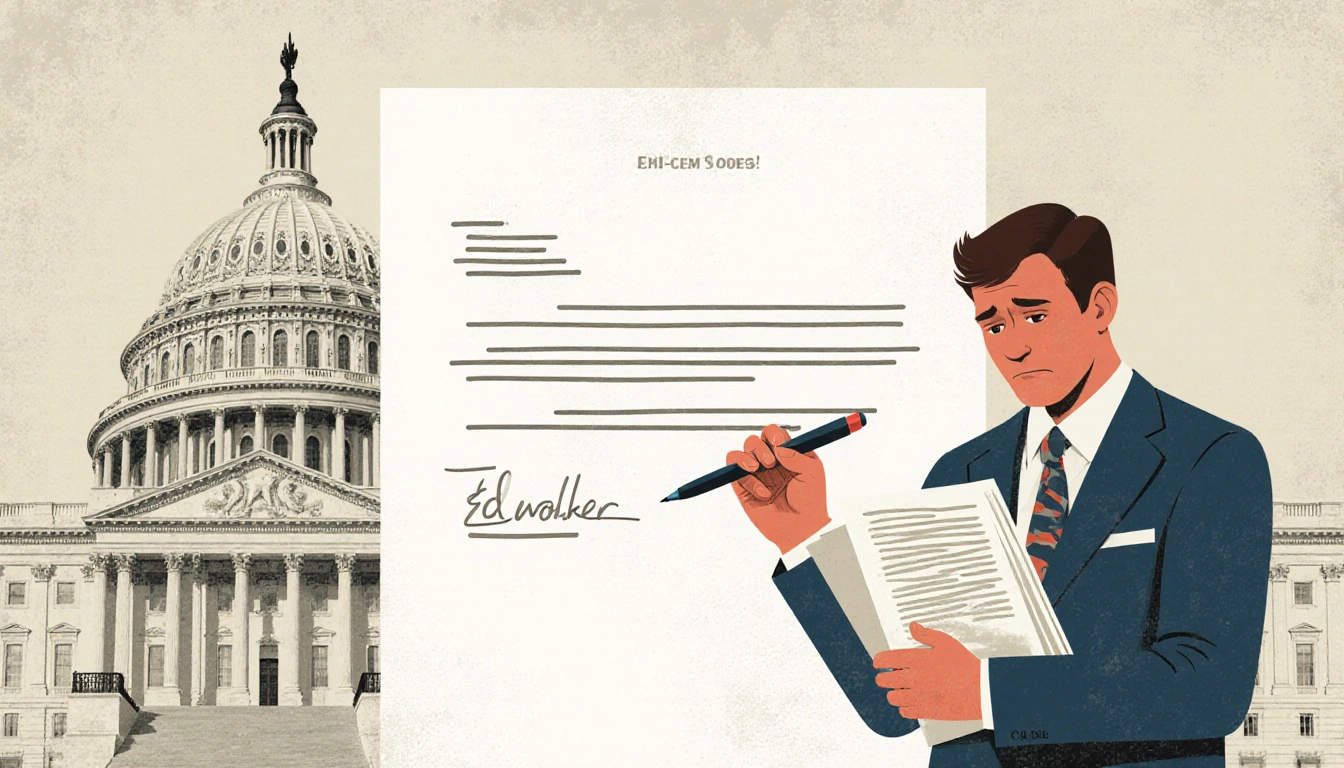
Ed Walker, director of Mt. Lebanon Camp and Retreat and president of the Texas branch of the Christian Camp & Conference Association, said in a letter to State Rep. Brian Harrison that “What we had hoped, up until October, is that [DSHS] were just going to delay implementation of [the broadband rules] … When the rules came out and everybody’s going ‘We can’t get fiber,’ what we hoped is that DSHS would be able to say, ‘Well, we’re just going to do a moratorium on that for two years and push that down the road and then when the legislature gets back in session we can fix it.’ Unfortunately, DSHS can’t do that.”
Rep. Harrison, who voted against the bill, called the broadband portion “madness,” adding, “Not only do you have to have high-speed broadband. You have to have redundant [broadband] and one of them has to be fiber.”
A preliminary survey from the Camping Association for Mutual Progress (CAMP) found 173 camps lack fiber. Walker noted that “[CAMP] just went down and then cross-referenced that with the FCC map for broadband access.” He estimates more than 200 camps will be affected.
Legislative and Regulatory Response
The Youth CAMPER Act was authored by Rep. Drew Darby and sponsored by Sen. Charles Perry. Darby’s team forwarded a letter to DSHS Commissioner Jennifer Shuford on Oct. 6, four days before the agency’s hearing. The letter explained that the fiber broadband provision had no attached deadline and requested DSHS to delay the rule’s effective date until Sept. 1, 2027 or carve out an exception. DSHS, however, proposed a rule that could take effect as soon as Dec. 28, stating “a state agency’s duty is to implement laws as written by Legislature.”
Potential Consequences
If the rule takes effect, any camp without two forms of internet-at least one being fiber-will be unable to obtain a license for the 2026 season. Walker suggests legal action, while Harrison calls for a repeal of the Youth CAMPER Act.
Key Takeaways
- The Youth CAMPER Act requires fiber-optic internet and a backup connection for Texas youth camps.
- Over 200 camps lack fiber and may be unable to comply before 2026.
- DSHS proposes an effective date of Dec. 28, sparking opposition from camp operators.
The debate highlights the tension between emergency preparedness regulations and the practical realities of rural broadband access.