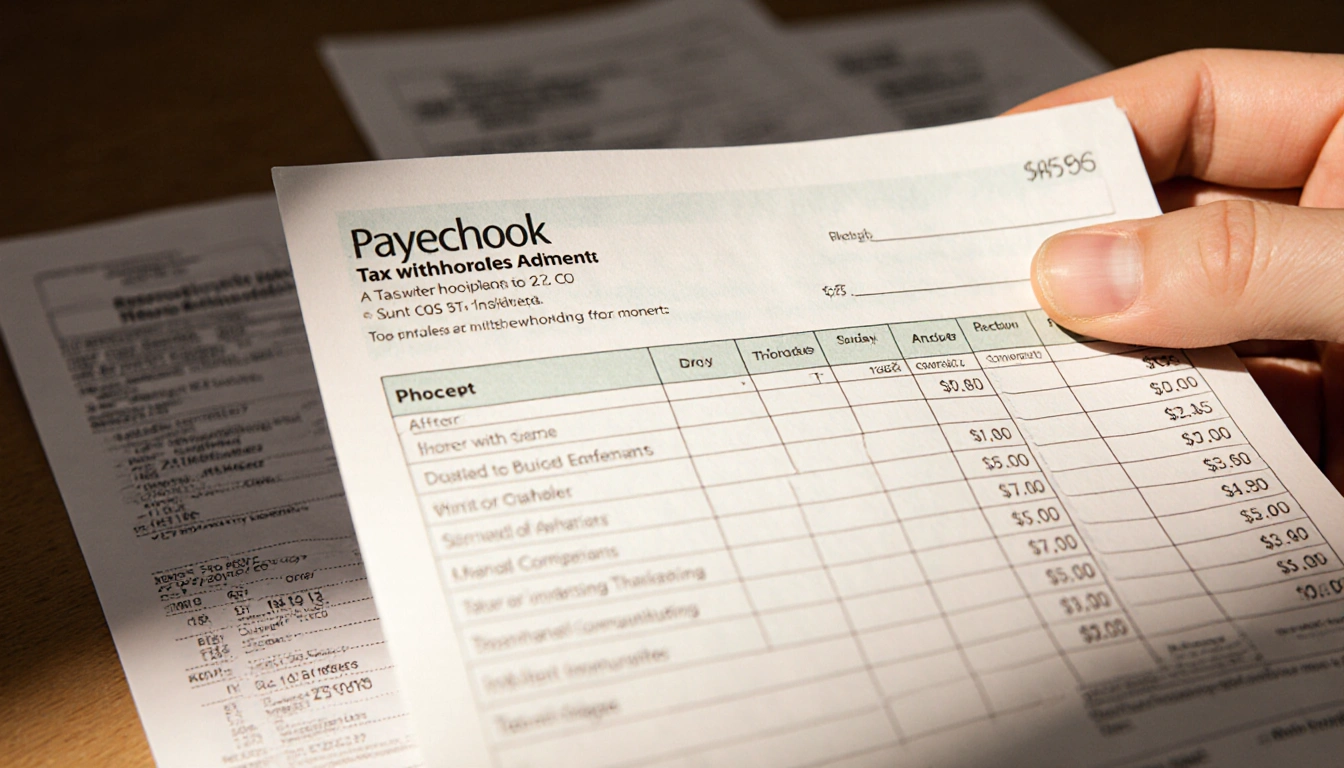
As 2026 approaches, taxpayers may notice a bump in their paychecks even if they don’t receive a formal raise. The change comes from a series of tax code updates that the IRS is rolling out for the new year.
New Year, New Tax Rules
The upcoming year brings several headline items: an increase in the standard deduction, a higher retirement age, the introduction of “Trump accounts” for children, and the possibility of large tariff refunds. While each of these items has its own implications, the most immediate effect for most workers will be on the paycheck.
How the Standard Deduction Affects Your Paycheck
The standard deduction reduces the portion of income that is subject to tax. For 2026, the deduction is set to rise by about 2.2%. That modest increase is designed to counter “bracket creep,” a situation where inflation pushes taxpayers into higher tax brackets and erodes the value of credits, deductions, and exemptions, according to the Tax Foundation.
Bracket Changes Explained
To illustrate, imagine you file as a single individual and earn $104,000 in the current tax year. Under the 2025 brackets you would pay:
- 10% on the first $11,925
- 12% on $11,926-$48,474
- 22% on $48,475-$103,349
- 24% on income above that
If you keep earning $104,000 but do not receive a raise in January, the 2026 brackets shift you out of the 24% bracket:
- 10% on the first $12,400
- 12% on $12,401-$50,400
- 22% on the remainder
This example is simplified and does not factor in the standard deduction or other tax considerations, but it shows how a slight bracket adjustment can lower the effective tax rate.
What This Means for Your Withholding
Because the tax brackets for 2026 are adjusted, employers may withhold less federal tax from your paycheck. The result is a higher take-home amount, but it is not an extra bonus; it is an inflation offset. The Tax Foundation explains that without these adjustments, taxpayers would face a higher tax liability even as their purchasing power declines.
Takeaway: Not Extra Money, But Inflation Offset
Some experts caution that the increased paycheck is intended to keep up with inflation, not to provide additional disposable income. It’s a small, but meaningful, adjustment that helps maintain the real value of earnings.
Key Takeaways
- 2026 standard deduction rises by about 2.2%.
- Tax brackets shift you out of the 24% bracket for a $104,000 single filer.
- Paychecks may see less withholding, but the increase offsets inflation, not add extra money.
The new tax rules are part of a broader effort to modernize the code and keep up with economic changes. For most workers, the primary takeaway is a modest boost in take-home pay that helps counter the effects of inflation.