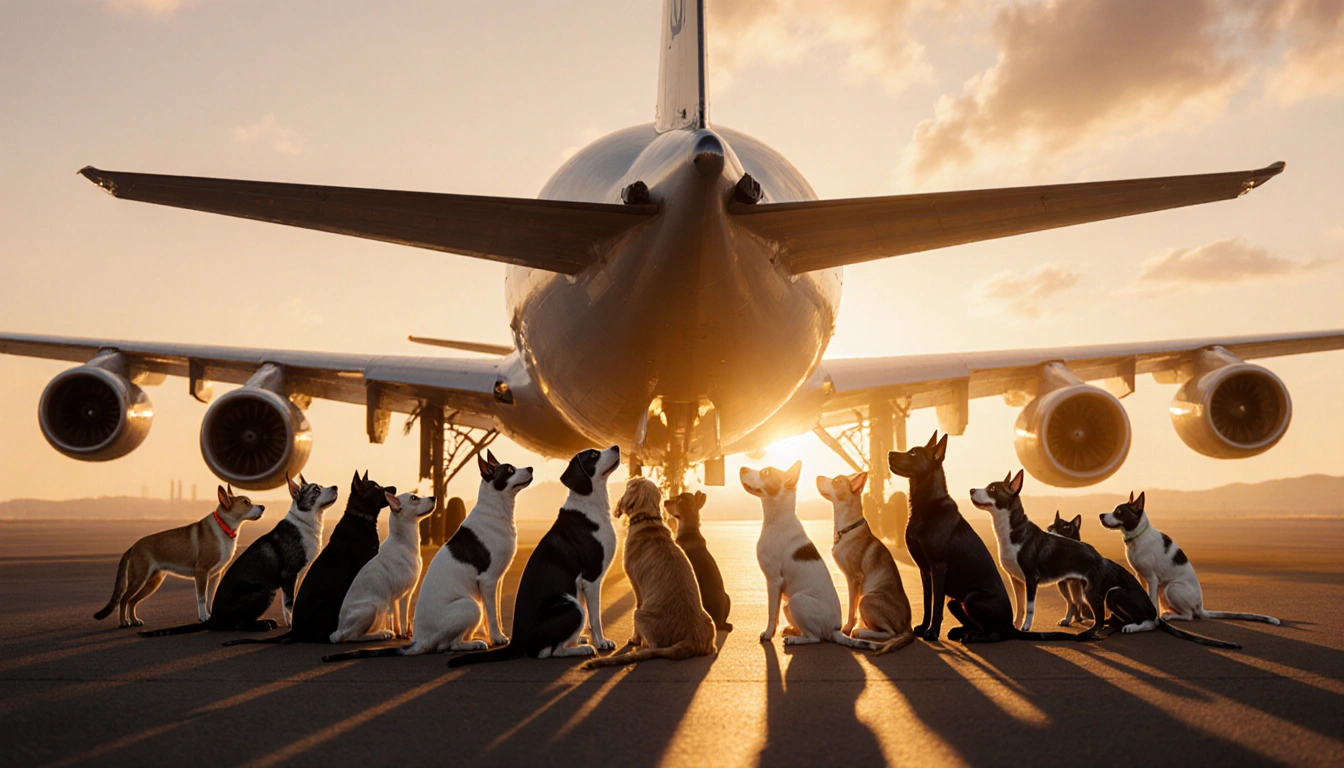
On a crisp late-fall Sunday, 16 animals-three cats and 13 dogs, including a skinny pit bull mix named Jenny and her seven puppies-took a flight that changed, even saved, their lives. The group that organized the trip, now called Seuk’s Army, flew the animals from a rural Virginia airfield to a grassy patch for a potty break before catching their connecting flights.
The Group’s Roots and Seuk Kim’s Legacy
The volunteer pilots and animal lovers who run Seuk’s Army first began a weekly airlift a few years ago, bringing pets from overwhelmed Southern animal shelters to foster and rescue groups farther north. The organization’s name and mission were shaped by a tragedy that occurred on Nov. 24, 2024. Seuk Kim, a 49-year-old Springfield, Virginia, pilot, died in a crash while on a rescue flight.
Kim had learned to fly as a child and, after decades in the financial sector, wanted to pursue a career in aviation. He also loved animals, which led him to connect with Sydney Galley and others through the animal rescue discussion board Pilots N Paws. Once involved, Kim flew multiple animal missions a week, recruited other pilots, and supplied batteries, diapers, and other items to people in need after Hurricane Helene last year.
On his final flight, Kim left Culpeper with four dogs, delivered one to a Maryland airport, and then took off with the rest for Albany, New York. His 1986 Mooney M20J crashed in the Catskill Mountains after he reported hitting turbulence. The crash killed Kim and one of the dogs; the other two survived and were adopted.
“Everybody really feels it,” said Sydney Galley, the co-founder and CEO of the group. But, she said, “he would be so excited to see us with so many dogs.”
After Kim’s death, Karissa Gregory, who coordinates the flights with Galley, told other volunteers, “I don’t think I can do this anymore.” Kley Parkhurst, a pilot who also does charity medical flights, reminded her that aviators assess and accept the risks of flying. He thinks of Kim whenever he flies animals and dips his plane’s wings in tribute if he passes the crash site. Parkhurst has no qualms about continuing the animal transports.
“I just want to keep the legacy that we started together going,” Parkhurst said recently.
The Memorial Flight and Its Scale
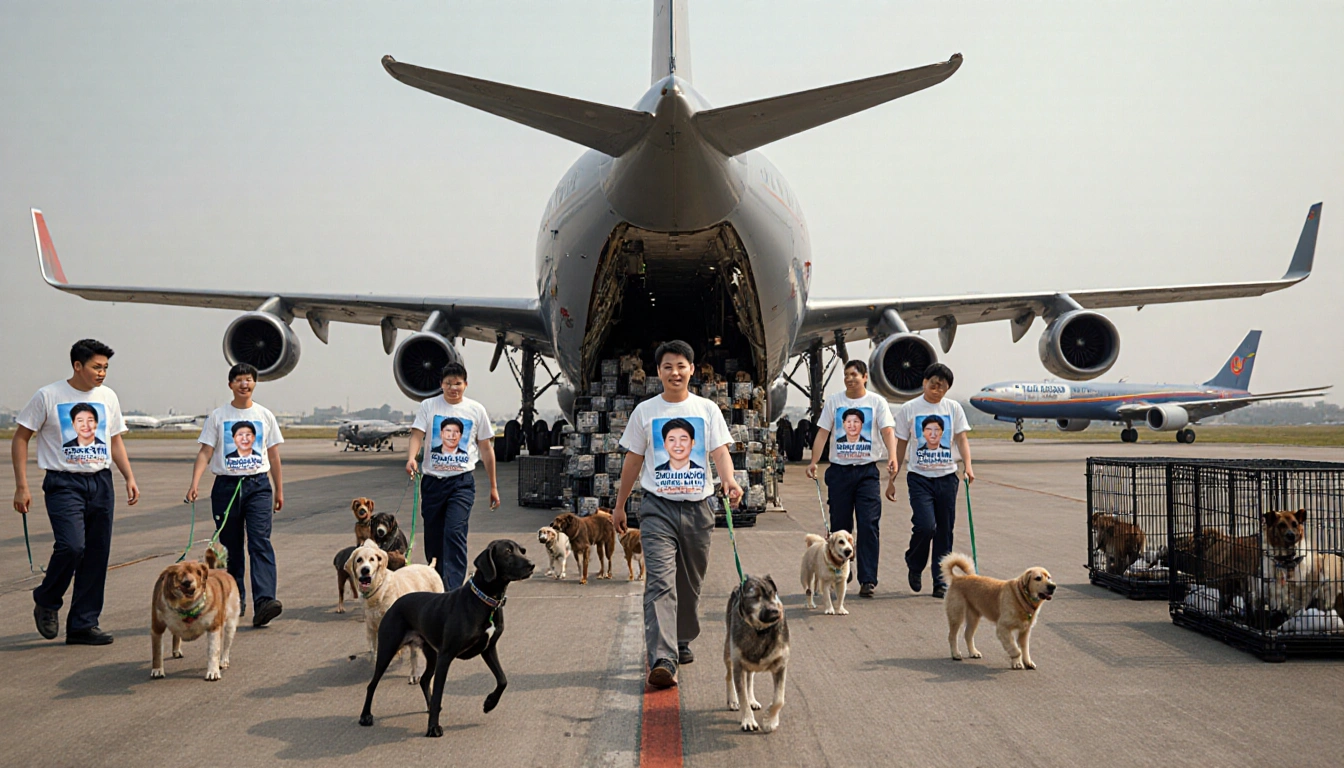
A year after the crash, Seuk’s Army organized a special flight that relayed 117 animals-about twice as many as usual-to mark the anniversary of the tragedy. The volunteers wore T-shirts bearing Kim’s photo as they unloaded, walked, played with, cleaned up after, and reloaded the dozens of animals that passed through Culpeper on the memorial flights.
The group’s logistics spanned about 16 airfields, seven planes, many cars and vans, and quick adaptations to weather forecasts. Gregory monitors them more anxiously in the wake of Kim’s death.
The animals included Daisy, a 96-pound bloodhound whose owner had died; Copper, a handsome hound surrendered amid a divorce; Middie, abandoned, pregnant, in Georgia; and Jenny, the pit mix, and her 8-week-old puppies, who had faced euthanasia at an Alabama shelter.
At 7,500 feet (2,300 meters) over the mid-Atlantic countryside, co-pilot Michael Nuzback turned around in his seat and shouted, “Hello, puppies. Come say hi!” He unlatched a crate and helped one of Jenny’s pups out. Another followed for a brief stint up front with Nuzback and pilot Stephen Nur.
The volunteer pilots flew a turboprop plane owned by Pilots to the Rescue, a decade-old charity that collaborates periodically with Seuk’s Army. Founder Michael Schneider said he appreciates the group’s work, and “there’s no shortage of rescuing animals” to be done.
The pups, which seemed more interested in the pilots’ laps than in the view of the Chesapeake Bay, were tucked back in their crate before night fell over the Eastern Seaboard. They passed silently near the lights of Atlantic City, New Jersey, and New York’s Kennedy Airport, flew over the dark of Long Island Sound, and landed at Groton-New London Airport in Connecticut. It was the final destination for Jenny, her puppies, and some of the others; the rest were flying on to New Jersey.
In the small, bright Connecticut terminal, volunteers with local rescue groups cradled the puppies before heading off to foster homes in the damp New England night.
“They’re all headed to people’s homes. A warm house,” volunteer Danielle Barth said.
Growth, Partnerships, and Future Plans
While Kim’s family and friends mourned, news coverage drew attention, new volunteers, and more partners to the grassroots nonprofit coordinated largely via WhatsApp chats and Facebook posts. A year later, what is now Seuk’s Army transports two to three times as many animals as it did before, Gregory said.
Pilots use their own planes and pay flight costs, which run hundreds of dollars an hour. Galley, her husband and co-founder pilot Jerry Stephens, and other volunteers have largely underwritten veterinary bills, supplies, and other needs.
The Piedmont, South Carolina-based group has started taking organizational and fundraising steps, including a 5K charity run last June at the Culpeper airport, the group’s ad-hoc hub. Airport manager Tanya Woodward says a local grant writer is looking for potential donors to fund a dedicated outdoor area for the animals.
In a nation where shelters and rescue organizations take in millions of cats and dogs annually, and hundreds of thousands are euthanized for reasons that can include lack of space, rescue flights open new foster possibilities for agencies like the Heard County Animal Control Center in Franklin, Georgia. With its 20 kennels always full and animals sometimes doubled up, the center works with Seuk’s Army to transport as many as eight pets a week across the country, director Kyli Putzek said.
She said Heard County doesn’t euthanize animals because of overcrowding these days, but “it wouldn’t be the same story” without the rescue flights.
Key Takeaways
- Seuk’s Army honored pilot Seuk Kim by ferrying 117 rescued pets on a memorial flight, doubling its usual volume.
- The organization has grown, now transporting two to three times as many animals annually and securing new partners and fundraising initiatives.
- Rescue flights provide critical foster opportunities for shelters that otherwise face overcrowding and euthanasia.
The memorial flight not only saved lives but also cemented a legacy that volunteers will carry forward, keeping the spirit of Seuk Kim alive in every wingbeat.