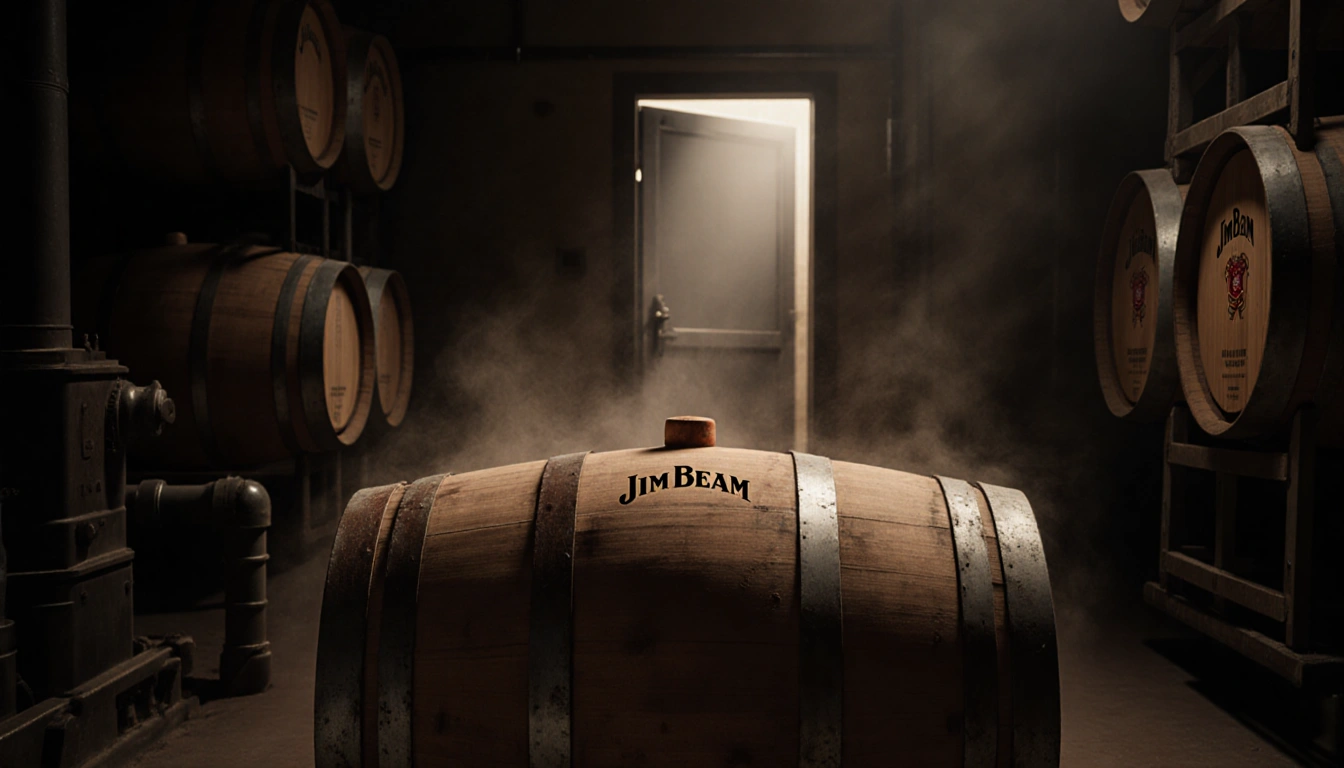
Jim Beam is halting production at one of its distilleries in Kentucky for at least a year, a move that highlights the challenges the whiskey industry faces amid tariffs and a decline in demand for a product that must mature for years before it can be sold.
Jim Beam’s Strategic Pause
Jim Beam announced that bourbon making at its Clermont location will stop in 2026. The company said the pause will give it time to invest in improvements at the distillery. While production is halted, the bottling and warehouse will remain open, as will the James B. Beam Distilling Co. visitors center and restaurant.
The larger distillery in Boston, Kentucky, will continue to operate, the company said. This decision reflects the broader challenges facing the whiskey industry, including tariffs and declining demand.
Production Levels and Workforce Considerations
“We are always assessing production levels to best meet consumer demand,” the company said in a statement. It added that it was talking with the distillery’s union to determine whether there will be layoffs or other reductions.
The company’s ongoing dialogue with the union indicates that it is carefully weighing the impact on its workforce while it evaluates how best to meet consumer demand.
The Long-Term Gamble of Bourbon
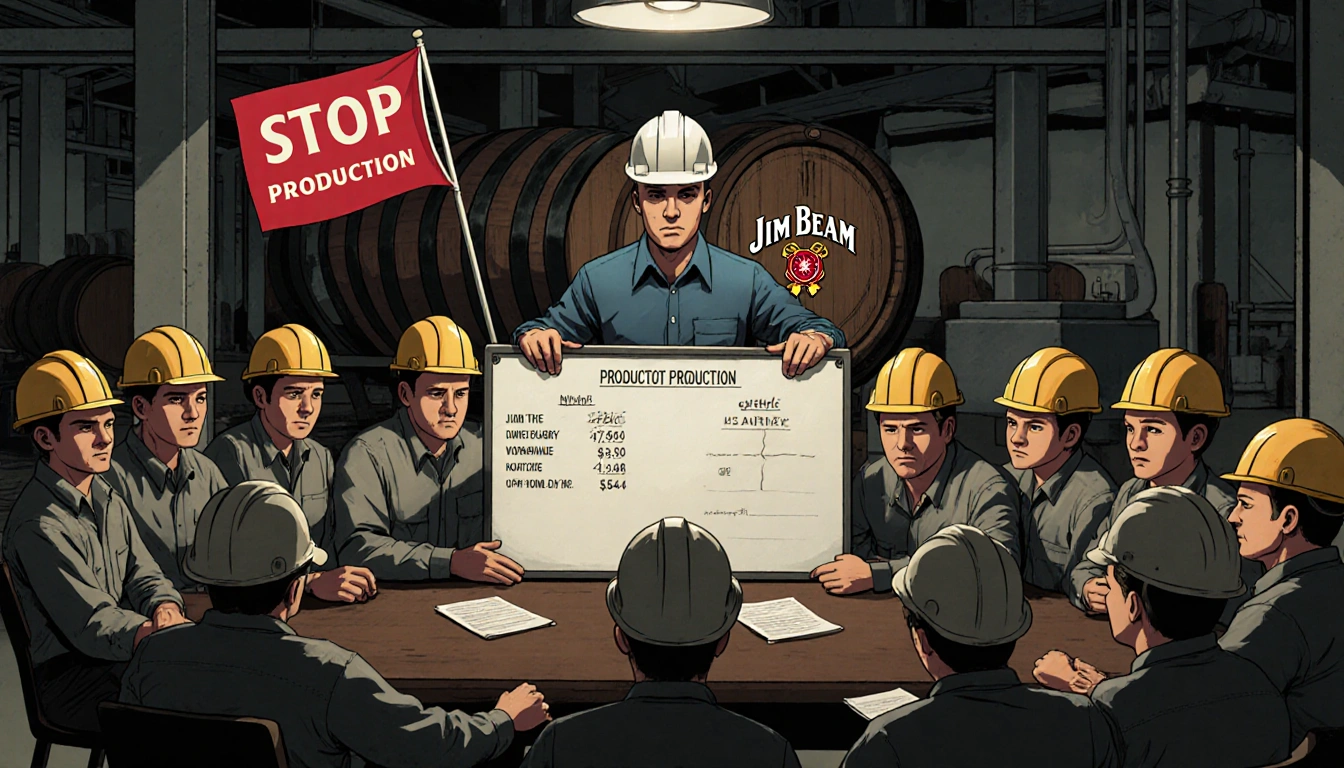
Bourbon makers have to gamble well into the future. Jim Beam’s flagship bourbon requires at least four years of aging in barrels before it is bottled.
Because the product must mature for years, the industry is highly sensitive to changes in demand. The long aging process means that decisions made today affect supply and quality for years to come.
Tariff and Trade Challenges
Whiskey makers are dealing with back-and-forth arguments over tariffs in Europe and in Canada. A boycott started in Canada after the Trump administration suggested annexing the country into the U.S.
These trade disputes add uncertainty to the industry’s export prospects and increase the cost of doing business across borders.
Export Declines
Overall exports of American spirits fell 9% in the second quarter of 2025 compared to a year ago, according to the Distilled Spirits Council of the United States.
The most dramatic decrease came in U.S. spirits exports to Canada, which fell 85% in the April-through-June quarter.
These figures underscore the difficulty the industry faces in maintaining its export markets.
Growth in Bourbon Production
Bourbon production has grown significantly in recent years. As of January, there were about 16 million barrels of bourbon aging in Kentucky warehouses.
That amount is more than triple the amount held 15 years ago, according to the Kentucky Distillers’ Association.
The growth in barrels reflects increased production capacity, even as the industry navigates external challenges.
Kentucky’s Dominance in the Bourbon Market
About 95% of all bourbon made in the U.S. comes from Kentucky. The trade group estimated the industry brings more than 23 000 jobs and $2.2 billion to the state.
Kentucky’s central role in bourbon production means that decisions made by companies like Jim Beam have a ripple effect on the state’s economy.
Consumer Trends
Sales figures and polling show Americans are drinking less than they have in decades. This decline in consumption contributes to the need for strategic production adjustments.
The industry’s response to lower demand involves careful planning and investment in distillery improvements.
Key Takeaways
- Jim Beam is pausing bourbon production at Clermont for at least a year to invest in distillery improvements.
- The company remains open for bottling, warehousing, and visitor services while the larger Boston distillery continues operations.
- Tariff disputes in Europe and Canada, along with a sharp decline in Canadian exports, are weighing on the industry.
The decision to halt production reflects the long-term nature of bourbon manufacturing and the need to adapt to shifting market conditions.
Jim Beam’s pause is a reminder that bourbon is a product of patience, and that even the most iconic brands must navigate complex economic and trade landscapes to sustain quality and supply for the future.