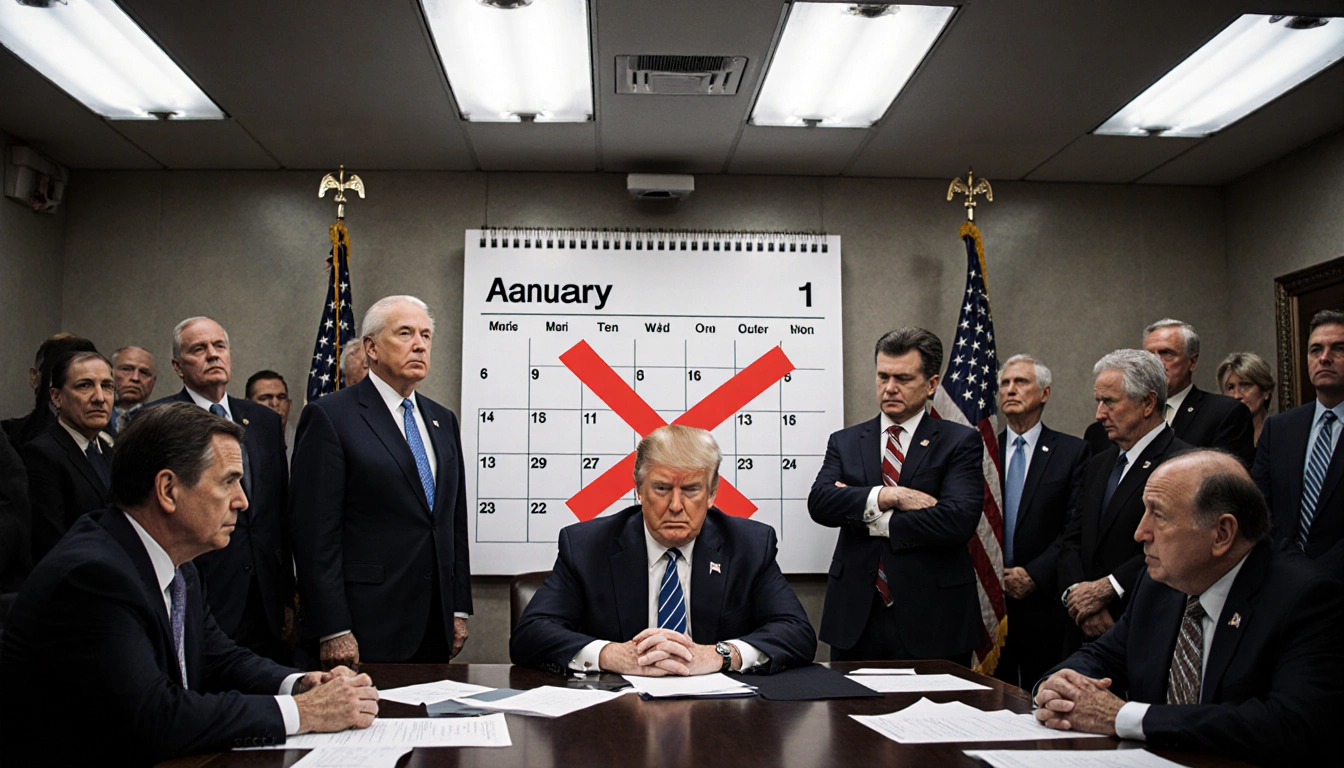
A looming January 1 deadline threatens to end the enhanced Affordable Care Act subsidies that millions of Americans rely on, setting the stage for a heated battle in Congress over the next month.
Senate Sets the Stage for a House Fight
After two partisan bills failed in the Senate on Thursday, attention shifted to the House, where Republican leaders are preparing a vote on another partisan health‑care package that does not include the enhanced subsidies. The Senate’s failure left lawmakers on both sides convinced that a breakthrough deal is unlikely within the six legislative days remaining before Congress closes for the December break.
“I would not bet on that at all. I think it’s destined for January,” said Rep. Jeff Van Drew (N.J.), a centrist Republican pushing for an extension. “Sometimes things that are extraordinary happen. But that would be extraordinary. In this place, much less six days, we can’t get things done sometimes — either party — in six months.”
The next government funding deadline is Jan. 30, and Democrats hope to keep health‑care costs high to mobilize voters for the 2026 midterm elections.
Discharge Petitions Spark a GOP Ruckus
Rank‑and‑file moderates in both parties have launched a pair of Hail Mary discharge petitions this week designed to force votes over the opposition of Speaker Mike Johnson (R‑La.) and other GOP leaders. The petitions aim to sidestep Johnson’s opposition and bring the bills to the floor.
One petition, sponsored by Reps. Brian Fitzpatrick (R‑Pa.) and Jared Golden (D‑Maine), would extend tax credits for two years and include reforms such as new income eligibility limits, the elimination of no‑premium plans and the promotion of health savings accounts (HSAs).
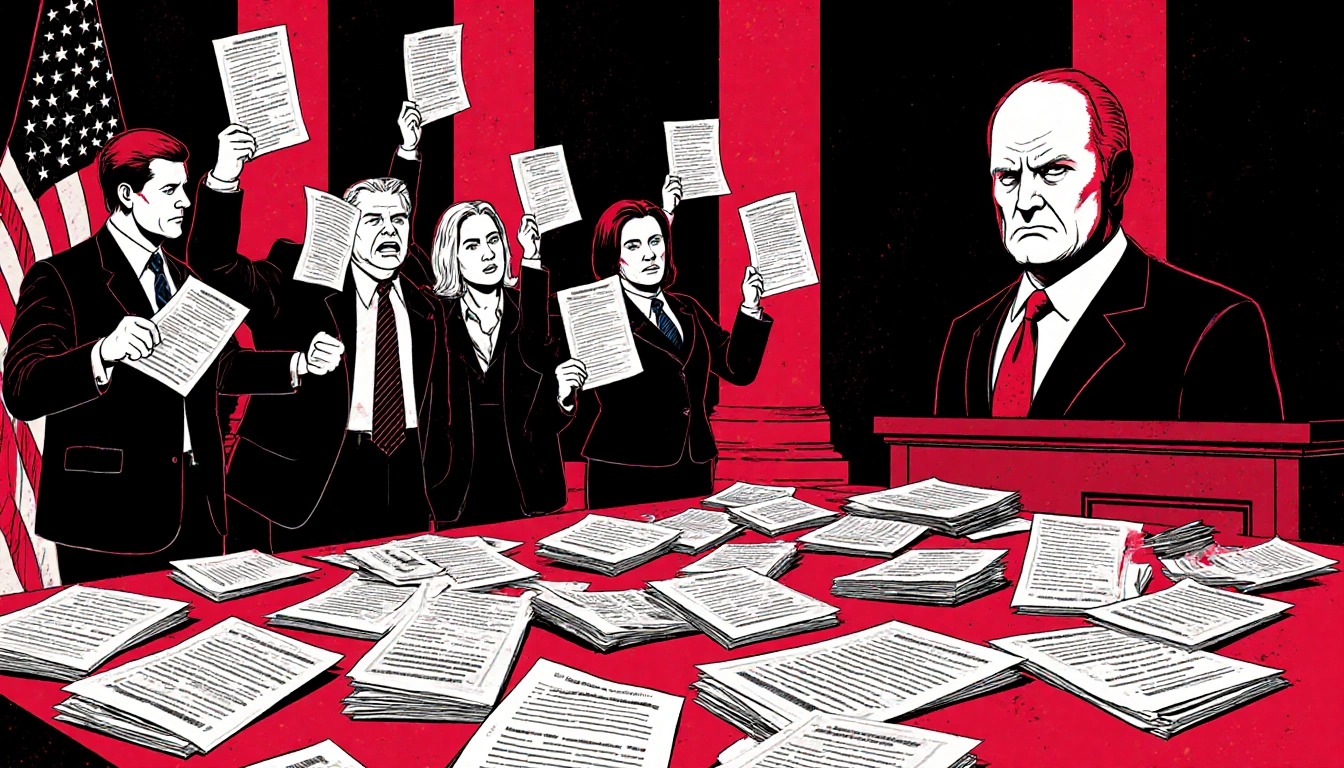
The other, sponsored by Reps. Jen Kiggans (R‑Va.) and Josh Gottheimer (D‑N.J.), features a one‑year subsidy extension with less stringent changes to eligibility.
Both petitions already have the endorsement of more than ten Republicans, an unprecedented display of unrest among the GOP rank and file. To succeed, either petition will require an overwhelming majority of Democrats to sign on, and many are waiting for marching orders from House Minority Leader Hakeem Jeffries (D‑N.Y.).
Senate Dynamics and Bipartisan Momentum
Senate leaders have taken divergent approaches. Sen. Lisa Murkowski (R‑Alaska) told reporters Thursday that the Senate’s failure was a “messaging exercise.” “Sometimes around the Senate, we have to demonstrate what we can’t do first before we can get to what we need to do. Today was the first step in that process of demonstrating what we can’t do. Now, let’s get on with it,” she said.
Murkowski was one of four GOP senators who voted for the Democratic bill, which would have extended the enhanced subsidies for another three years, and she also voted for the GOP alternative that would let the subsidies expire and use that money to fund personal health savings accounts.
“Americans are paying the price for this body not working together in the way that it should. And so I’m hopeful that we’ll have some fruitful conversations moving forward,” said Sen. Katie Britt (R‑Ala.).
Senate Minority Leader Chuck Schumer (D‑N.Y.) reacted to the Democratic bill’s failure: “Once Jan. 1 comes and everyone is locked into their insurance proposals, you can’t put the toothpaste back in the tube. Look, the Republicans voted against this 13 times. The onus is on them.”
Senate Majority Leader John Thune (R‑S.D.) told reporters that the next steps depend on Democrats’ willingness to compromise. “The question is, do the Democrats, after they got their political messaging vote done, actually want to engage in a real conversation about this? Because it didn’t seem like they had a real high level of interest in reforms,” Thune said.
There are at least two proposals in the Senate that would pair a short‑term subsidy extension with reforms such as income caps and mandatory minimum premiums, but Thune declined to put either of them up for a vote against the Democratic bill.
House Leadership Faces a No‑Win Position
In the House, Johnson is vowing to vote on a health‑care package next week. That GOP proposal would not extend the ObamaCare subsidies, and is not expected to pass in the Senate, if it even makes it that far.
The failure of the House bill to address the expiring subsidies sparked a revolt from moderate Republicans on Wednesday, leading a group of centrists to launch a pair of discharge petitions designed to sidestep Johnson’s opposition and force the bills to the floor.
The issue has put GOP leaders in a no‑win position: Either they let out‑of‑pocket health costs skyrocket for millions of voters ahead of next year’s midterms, or they support an Obama‑era law they’ve fought for 15 years to repeal.
But the issue also poses a dilemma for Democratic leaders. Their three‑year “clean” subsidy extension bill failed, and they now face pressure to endorse one of the two bipartisan bills or risk being blamed for the impasse.
“It’s in the Democrats’ [court], because I think it behooves them to support the bipartisan discharge petitions that are there,” Van Drew said.
Both discharge petitions already have the endorsement of more than 10 Republicans — an extraordinary demonstration of unrest among the GOP rank and file. But if either petition is to succeed, it will require an overwhelming majority of Democrats to sign on. And many of them said they’re waiting for marching orders from House Minority Leader Hakeem Jeffries (D‑N.Y.).
Key Takeaways
- The enhanced ACA subsidies expire Jan. 1, potentially spiking premiums for tens of millions of Americans.
- The Senate’s failure of two partisan bills has set the House on a path to a vote that will not extend subsidies.
- Two bipartisan discharge petitions, one from Fitzpatrick‑Golden and another from Kiggans‑Gottheimer, seek to force the bills to the floor and offer different levels of subsidy extensions.
The coming weeks will determine whether Congress can reach a compromise that keeps subsidies alive or whether the expiration will force millions to face higher health‑care costs as the 2026 midterm election approaches.
Closing
With the Jan. 1 deadline looming, lawmakers on both sides face intense pressure from constituents, party leaders, and the political clock. The outcome of the discharge petitions and the House vote will shape the health‑care landscape for the next year and beyond.