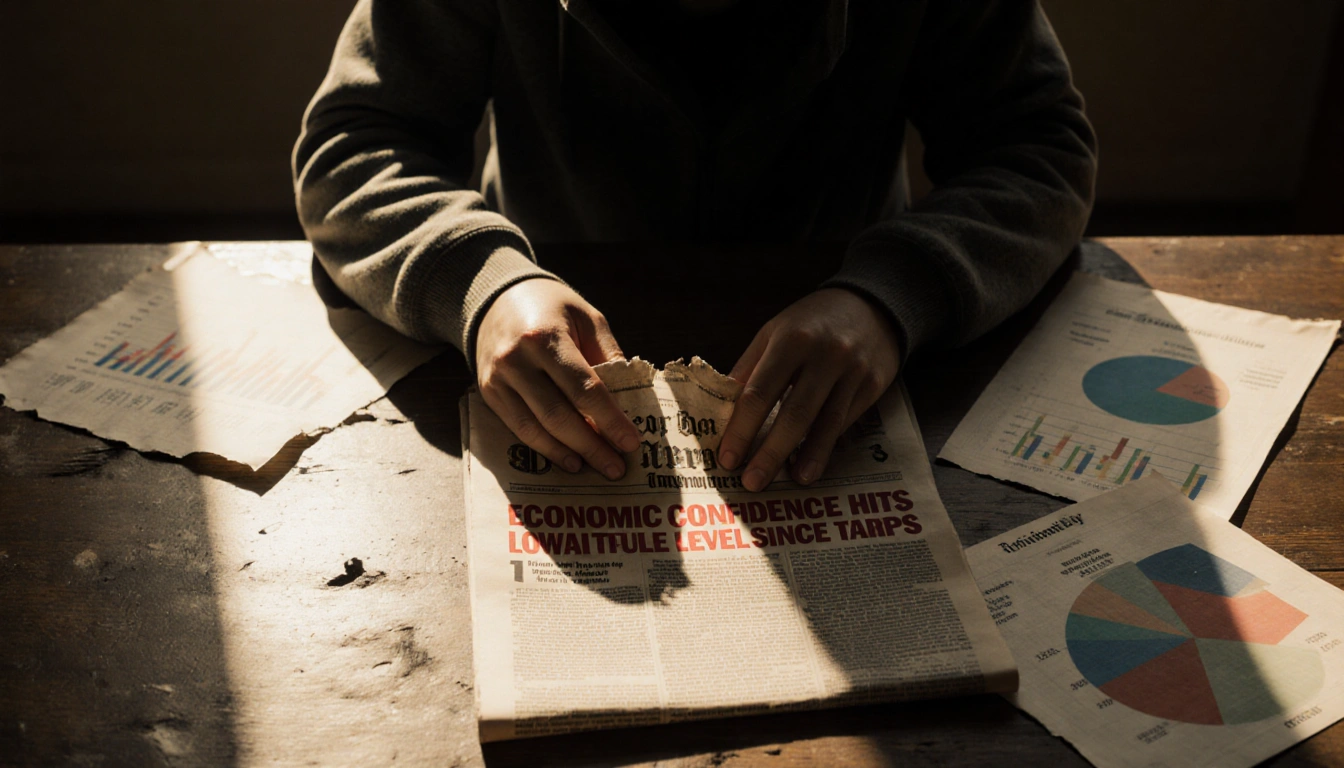

In December, American consumers’ trust in the economy slipped sharply, with the Conference Board’s consumer confidence index falling to 89.1-its lowest level in almost a year.
A Steady Decline in Confidence
The index dropped 3.8 points from the previous month, marking the fifth consecutive monthly decline. It is edging toward the 85.7 reading recorded in April, when President Donald Trump announced a sweeping set of import tariffs on U.S. trading partners. November’s figure, revised upward to 92.9, had already suggested a weakening trend.
Short-term expectations for income, business conditions, and the job market remained unchanged at 70.7, but the number stayed well below the 80 threshold that often signals a looming recession. This is the 11th month in a row that the reading has stayed under 80.
Current Economic Sentiment Falls
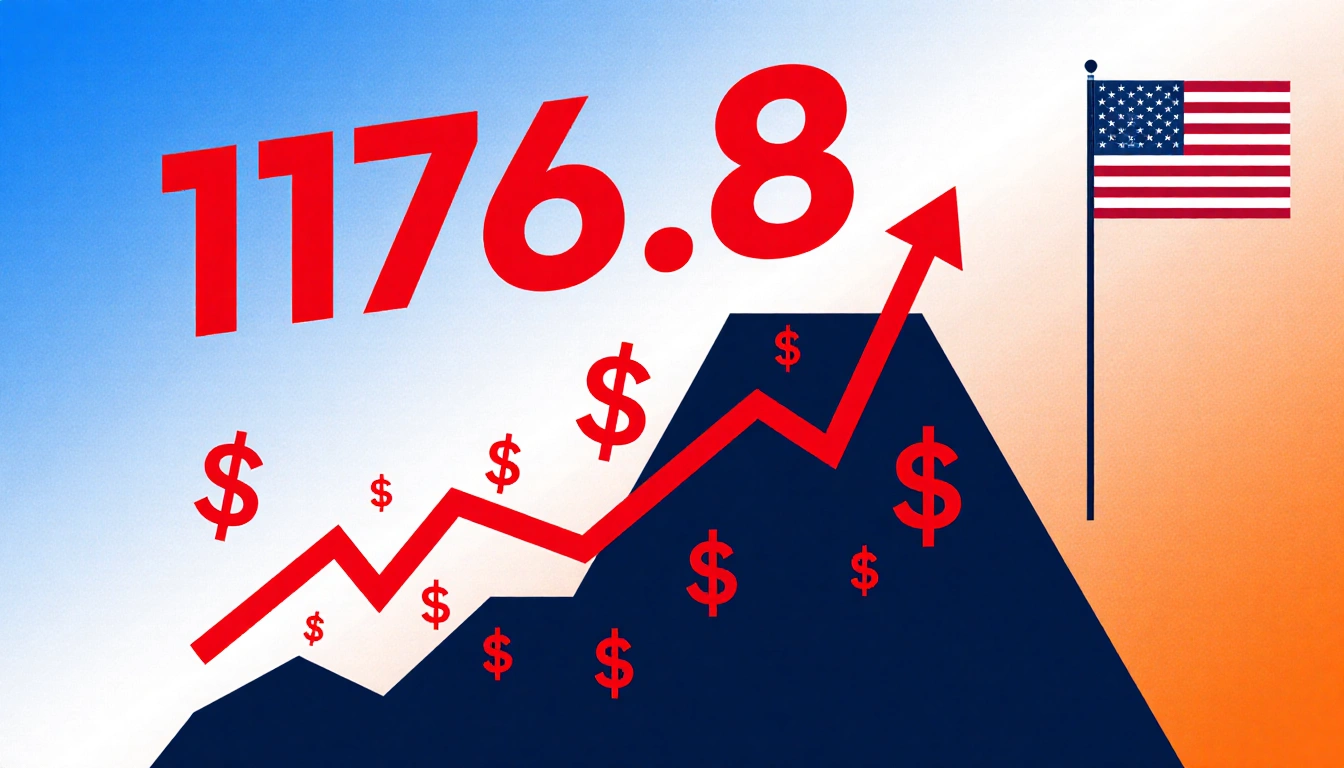
Consumers’ assessment of their present economic situation dropped 9.5 points to 116.8, the sharpest decline in several years. When asked what worries them most, respondents cited rising prices and inflation as the top concern, followed closely by the tariffs. This echoes President Trump’s repeated claims that inflation is a hoax, yet the public remains alarmed.
The survey also revealed a shift in how people view the job market. Only 26.7 % of respondents said jobs were plentiful, down from 28.2 % in November. Meanwhile, 20.8 % said jobs were hard to get, up from 20.1 % the previous month.
Employment Numbers Show Mixed Signals
Last week, the government released labor-market data showing a net gain of 64,000 jobs in November, but a loss of 105,000 in October. The unemployment rate climbed to 4.6 % in December, the highest level since 2021. Economists describe the labor market as stuck in a “low hire, low fire” state, with businesses holding back due to uncertainty over the new tariffs and lingering high interest rates.
Since March, the average monthly job creation has fallen to 35,000, a sharp drop from the 71,000 average in the year ending March. Fed Chair Jerome Powell recently warned that these numbers may be revised even lower.
Outlook on a Recession
Despite the overall pessimism, the percentage of survey respondents who believe a recession is unlikely in the next year has grown. December’s survey also showed that people’s views of their family’s current financial situation slipped into negative territory for the first time in almost four years. In contrast, expectations about their future financial situation were the most positive since January.
Economic Growth and Future Expectations
On Tuesday, the government reported that the economy grew at an annual rate of 4.3 % in the third quarter. However, economists predict a slower fourth quarter due to a government shutdown and a potential pullback in consumer spending.
Key Takeaways
- Consumer confidence fell to 89.1 in December, the lowest in nearly a year.
- Prices, inflation, and tariffs are the biggest concerns for consumers.
- The job market perception has weakened, with fewer people seeing jobs as plentiful.
- The unemployment rate rose to 4.6 %, the highest since 2021.
- While a recession is seen as less likely, current financial sentiment has turned negative for the first time in four years.
The December data paints a picture of cautious optimism: consumers are wary of rising costs and trade tensions, yet some remain hopeful about future financial prospects. The coming months will test whether the economy can sustain its growth amid these headwinds.