
In a landmark development that could signal a turning point in Yemen’s protracted conflict, the internationally recognized Yemeni government and its Iran-backed Houthi opponents have reached an agreement to release 2,900 detainees, the largest prisoner swap ever staged in the 11-year civil war. With the agreement signed under the joint oversight of the U.N. Special Envoy for Yemen and the International Committee of the Red Cross, the freed prisoners will be able to return to their families, officials said, marking a rare moment of cooperation amid years of stalemate.
Agreement Details
Saudi Ambassador Mohamed AlJabir posted on X that the agreement was signed under the supervision of the Office of the U.N. Special Envoy for Yemen and the International Committee of the Red Cross, “which will enable all detainees to return to their families.” AlJabir added, “I commend the efforts of the negotiation teams from both sides who succeeded in reaching an understanding and concluding this agreement, which addresses a humanitarian issue and strengthens efforts to bring calm and build confidence in Yemen.” The statement underscored that the deal was reached after prolonged negotiations and is intended to ease the humanitarian toll of the conflict. The release will also involve coordination with national authorities to ensure safe repatriation and reintegration of the freed individuals.
Detainees Nationalities
According to Houthi head of the National Committee for Prisoners’ Affairs Abdelkader al-Murtada and spokesperson Mohamed Abdulsalam, the detainees will include Saudi and Sudanese nationals. Al-Murtada said on X that the deal covers Yemenis, seven Saudi and 23 Sudanese prisoners. The inclusion of foreign nationals underscores the broader scope of the exchange and highlights the international dimension of the conflict’s humanitarian impact. Both parties have confirmed that all prisoners will be released in accordance with the terms negotiated during the Muscat talks.
Background of the War
Yemen has been torn by a civil war since 2014, when the Houthis captured Sanaa and much of the country’s north, forcing the internationally recognized government into exile. A loose regional coalition led by Saudi Arabia and the United Arab Emirates has backed the government in the south. Over the years, the conflict has largely stalled, but the underlying divisions remain entrenched, with both sides continuing to hold significant military and political influence in different parts of the country. The war’s origins lie in political, sectarian, and economic grievances that have been amplified by external actors, leading to a protracted struggle that has devastated the nation’s infrastructure, displaced millions, and created a complex humanitarian crisis that spans across Yemen’s borders.
Casualties and Humanitarian Disaster
The conflict, which has largely stalled in recent years, has claimed more than 150,000 lives, including fighters and civilians, and has produced one of the world’s worst humanitarian disasters. The prolonged fighting has disrupted essential services, destroyed critical infrastructure, and left large segments of the population without access to basic necessities such as food, clean water, and medical care. International aid agencies have struggled to deliver assistance amid security concerns, leading to shortages in food aid, medical supplies, and shelter materials across many regions.
Meeting in Oman
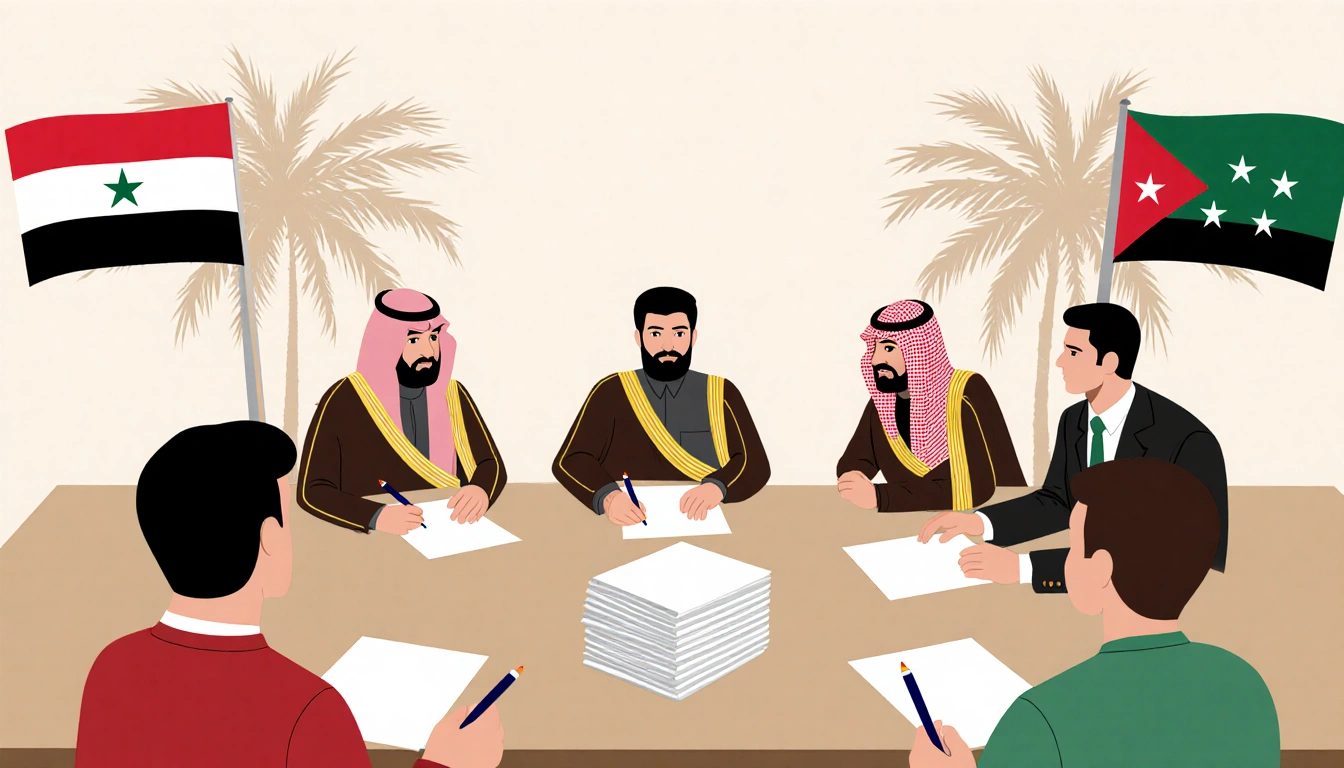
The exchange deal was negotiated in Muscat, Oman, in cooperation with Saudi leaders, after the warring parties completed a 12-day meeting there. This gathering marked the 10th session aimed at enforcing the 2018 Stockholm Agreement’s mandate to release all conflict-related detainees. The meeting was facilitated by the U.N. Special Envoy’s office, which has been actively pushing for compliance with the Stockholm Agreement since its inception. Both sides reaffirmed their commitment to the release schedule and agreed on the logistics for transporting detainees to designated release points. The agreement also includes provisions for monitoring the release process, ensuring that all parties adhere to the agreed timeline and that the detainees receive necessary documentation for their safe return. This coordination underscores the collaborative effort.
Stockholm Agreement
The 2018 Stockholm Agreement was designed to facilitate the release of all detainees captured during the conflict, but implementation has been uneven. The 10th meeting in Oman was specifically focused on pushing the parties to honor their commitments under that agreement. The U.N. Special Envoy’s office has highlighted the importance of adhering to the release schedule as a means of building trust and reducing tensions within Yemen. These efforts aim to create a framework for ongoing dialogue and conflict resolution beyond the immediate exchange.
UN Special Envoy Quote
“U.N. Special Envoy Hans Grundberg described the agreement as a ‘positive and meaningful step that will hopefully ease the suffering of detainees and their families across Yemen.’ Grundberg emphasized that the deal aligns with international humanitarian principles and reinforces the role of third-party mediators in conflict resolution. The envoy called for continued cooperation to ensure the release is completed swiftly and safely.”
ICRC Role
The International Committee of the Red Cross has played an intermediary role under the Stockholm Agreement, overseeing the release, transfer and repatriation of more than 800 prisoners in 2023 and more than 1,000 detainees in October 2020. The ICRC’s involvement has been crucial in facilitating communication between the parties, verifying the conditions of detention, and ensuring that released individuals receive the necessary support for reintegration. The organization has also coordinated the logistics of transporting detainees to designated release points, providing medical assistance, and documenting the process to maintain transparency. Its continued presence is seen as essential to the success of the current and future exchanges. The ICRC’s experience in conflict zones lends credibility to the release process and encourages trust among stakeholders.
ICRC Head Quote
“ICRC head of delegation in Yemen Christine Cipolla emphasized the organization’s readiness, stating, ‘We are ready and determined to carry out the release, transfer and repatriation of detainees so that people separated from their families can be reunited in a safe and dignified manner.’ Cipolla added that the ICRC would continue to monitor the process to ensure compliance with international humanitarian law and that all parties adhere to the agreed terms. The statement reaffirmed the ICRC’s commitment to safeguarding human rights in Yemen.”
Key Takeaways
- 2,900 detainees will be released, marking the largest swap in Yemen’s 11-year war.
- The exchange includes Yemeni, Saudi, and Sudanese prisoners, reflecting the conflict’s international dimension.
- The agreement was facilitated by the U.N. Special Envoy, the ICRC, and regional leaders, underscoring multilateral cooperation.
- This cooperation may set a precedent for future humanitarian actions in Yemen.
Closing
With the release of 2,900 detainees, the Yemeni conflict’s most enduring humanitarian crisis takes a tangible step toward resolution. While the war’s root causes remain unresolved, the agreement demonstrates that even amid deep divisions, parties can collaborate to address the suffering of civilians. The international community will likely monitor the implementation closely, hoping the momentum will translate into broader peacebuilding efforts across Yemen for peace.