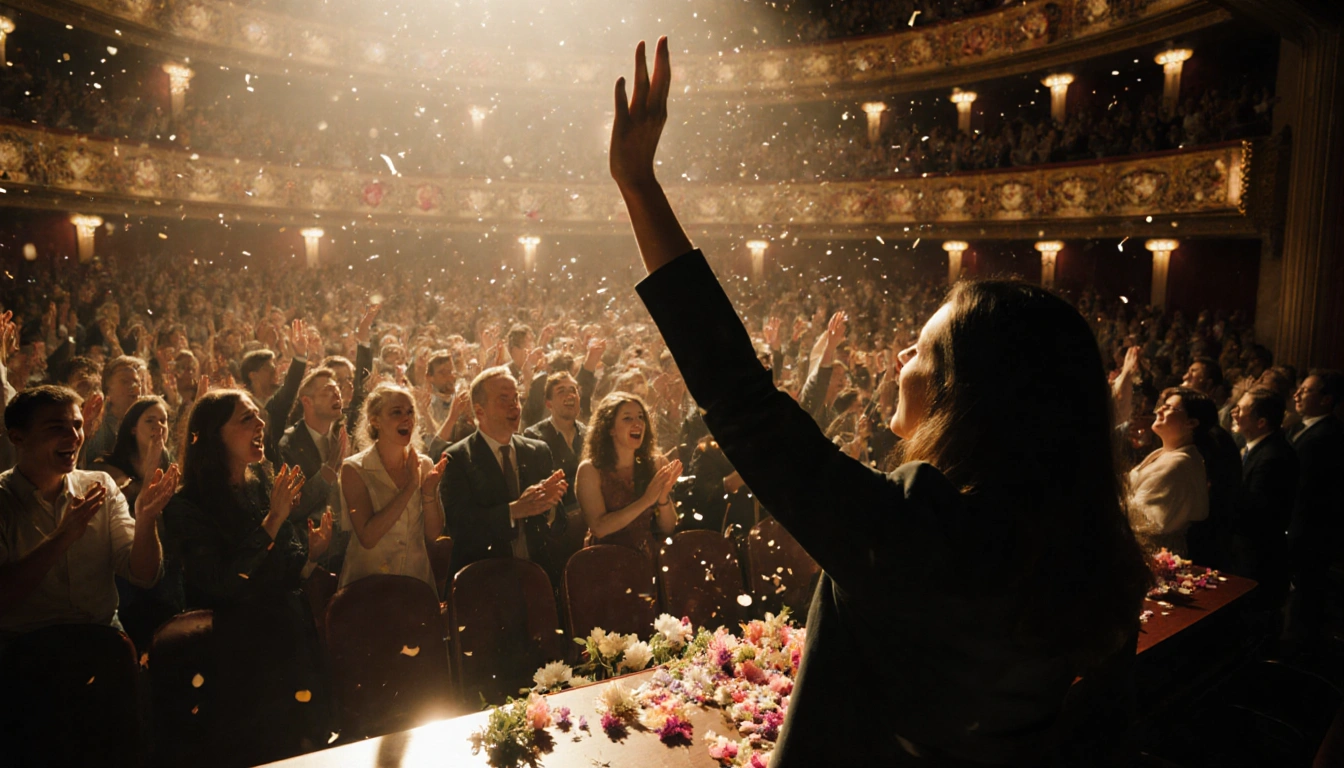
In the dim glow of Act 2, the audience of “Liberation” erupts in cheers and applause before any line is spoken. The play, written by Bess Wohl, centers on a 1970s women’s consciousness-raising group that strips naked for about fifteen minutes.
The Play’s Bold Premise
Wohl admits she once wondered whether the show would be remembered simply as “that play with the naked scene.” She says, “It doesn’t feel titillating or gratuitous or gimmicky. It feels like a really important piece of the work that the women in the consciousness-raising group are doing.” The scene is not a gimmick; it is a key part of the dialogue the characters have about their bodies.
Context of the 1970s
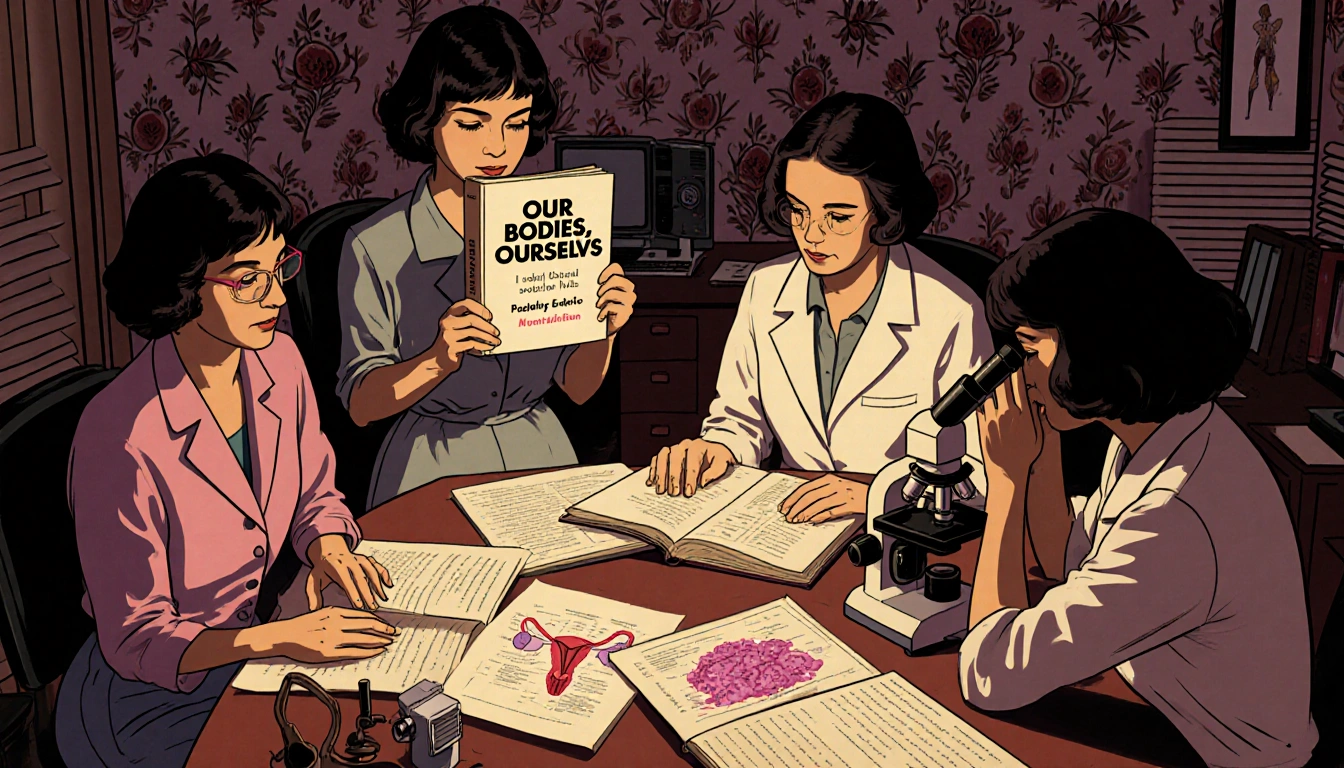
The setting shifts between the 1970s and the present. In 1970, “Our Bodies, Ourselves” was self-published; its first commercial edition appeared in 1973. Actor Susannah Flood explains that the women in the group “were growing up in a time where their doctors were male, gynecologists were male, obstetricians were male.” The lack of female-led medical care made learning about one’s own body essential, so the women “got naked.”
The No-Phone Rule
The theater enforces a strict no-phone policy. Phones are surrendered at entry and locked in special pouches that only staff can open. A guard once stopped a theatergoer scrolling during intermission and escorted her to the lobby to secure the device. Producer Daryl Roth says, “Over and above the nude scene, it’s a sense of freedom for the audience.” He adds, “They can only think about this play right now. And isn’t that what we want? Come in for two and a half hours and give yourself over to what’s on the stage. It’s liberating.”
The Scene’s Structure
During the nude exercise, each woman is asked to name one thing she likes about her body and one she doesn’t. The responses range from “laugh-out-loud raunchy” to “poignant.” Betsy Aidem’s character, Margie, hates the scar from her C-section. She says, “It feels unfair somehow.” “Her children got life, her husband got the family he wanted, and I ended up this sad husk with this hideous scar.”
The Intimacy Coordinator’s Work
Kelsey Rainwater, the production’s intimacy coordinator, describes the rehearsal process as “its own miniplay.” She met actors individually and led intensive sessions to choreograph movement. “It was a really involved process,” she says. “I’ve never had a security team that was taking sensitivity training, which is really exceptional.” Rainwater notes that the scene is “a huge ask.” “It’s not just being nude onstage,” she says. She also says audiences have been respectful, “if sometimes startled.” She adds, “On TV and film, there’s a bigger separation.” “Sometimes you feel a little bit like a voyeur. That’s part of the experience.”
The Actors’ Perspective
Susannah Flood, who plays the host Lizzie, says the emotional vulnerability of the acting is the scariest part. “My parents were acting teachers, and they always said acting is controlled humiliation,” she quips. “So, is it any more humiliating than doing a scene you think is the most important thing on Earth, and having someone fall asleep in the front row?” Flood also notes that the no-phone rule gives the audience a “live experience, with other people, in the moment.”
Audience Reactions
New York theatergoer Tracy Bonbrest says she was “much more attentive, immersed in the experience than if I’d had my phone with me.” She was sitting next to someone she hadn’t met before, and she added, “If I’d had my phone, or she had hers, we probably wouldn’t have engaged in conversation.” The script even addresses the phone issue early on: “They took your phones. Are we OK?” The line earns a laugh from the crowd.
Key Takeaways
- “Liberation” uses a nude scene to deepen conversation about women’s bodies and agency.
- The no-phone rule creates a space for genuine interaction among audience members.
- The play’s success hinges on the authenticity of both the script and the performers’ commitment to vulnerability.
Closing
The production opened at the end of October and is scheduled to run through February 1. Its combination of historical context, daring staging, and strict audience etiquette has turned a simple rehearsal into a living, breathing conversation that feels “liberating” for both actors and spectators alike.