
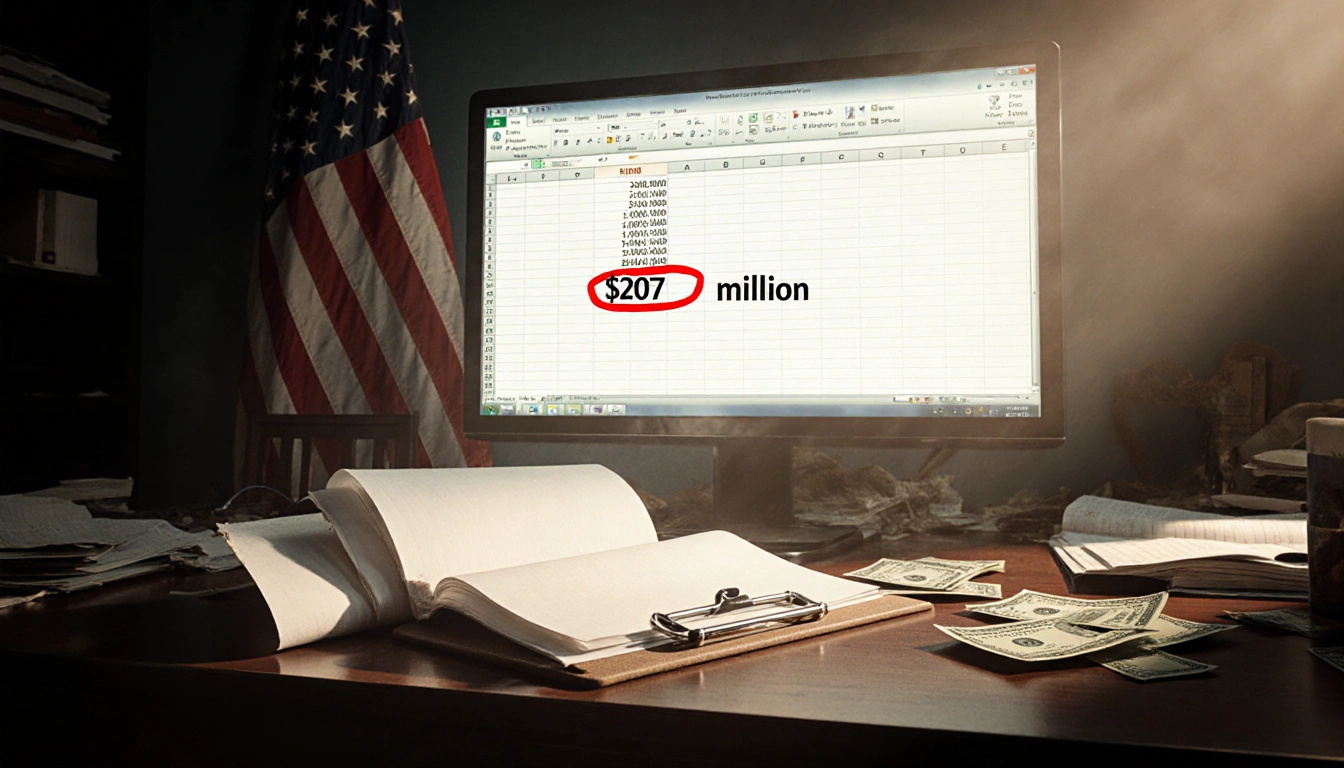
Medicaid paid more than $200 million in improper payments to people who had already died between 2021 and 2022, a new watchdog report says.
A startling national snapshot
The independent watchdog released Tuesday a first nationwide look at improper Medicaid payments, finding that more than $207.5 million in managed-care payments were made on behalf of deceased enrollees between July 2021 and July 2022. The figure eclipses the $289 million identified in earlier state-specific audits conducted by the Department of Health and Human Services’ inspector general since 2016.
Legislative response on the horizon
The Department’s Office of Inspector General noted that a new provision in the Republicans’ “One Big Beautiful Bill” could curb these excesses. The bill would require states to audit their Medicaid beneficiary lists quarterly against the “Full Death Master File” starting in 2027, a move the inspector general says may help reduce future improper payments.
Voices from the field
“not unique to one state, and the issue continues to be persistent,” said Aner Sanchez, assistant regional inspector general in the Office of Audit Services, who told The Associated Press that she has been researching the problem for a decade.
Recommendations for tighter data sharing
The watchdog report urges the federal government to share more information with state Medicaid programs, including access to the Social Security Administration’s “Full Death Master File”. The database holds more than 142 million records dating back to 1899, but its use has been tightly restricted by privacy laws designed to prevent identity theft and fraud.
Trump’s tax bill expands the file’s reach
President Donald Trump’s massive tax and spending bill, signed into law this summer, expands how the Full Death Master File can be used. By mandating quarterly audits of provider and beneficiary lists against the file, the bill aims to stop payments to deceased people and improve program accuracy.
A history of improper payments
Since 2016, HHS’s inspector general has conducted 18 audits of state Medicaid programs, uncovering about $289 million in improper managed-care payments to deceased enrollees. The new report confirms that the problem is nationwide and ongoing.
Treasury’s pilot success
Earlier this year, the Treasury Department clawed back more than $31 million in federal payments that had improperly gone to dead people. The recovery was part of a five-month pilot program that began after Congress granted Treasury temporary access to the Full Death Master File for three years under the 2021 appropriations bill.
Social Security Administration’s shifting database
The Social Security Administration has been making unusual updates to the Full Death Master File itself, adding and removing records. These changes complicate its use. In April, the Trump administration moved to classify thousands of living immigrants as dead and cancel their Social Security numbers, a measure aimed at curbing immigrants who had been temporarily allowed to live in the U.S. under programs started during the Biden administration.
Key Takeaways

- Medicaid paid over $207 million in improper payments to deceased enrollees in 2021-22.
- A new federal bill will force quarterly audits of beneficiary lists against the Death Master File starting in 2027.
- Treasury’s pilot program recovered more than $31 million in improperly paid funds.
The findings underscore the need for stronger data sharing and oversight. As states prepare to implement the new audit requirements, the Department of Health and Human Services will likely increase its monitoring to ensure that Medicaid payments are directed only to living beneficiaries.