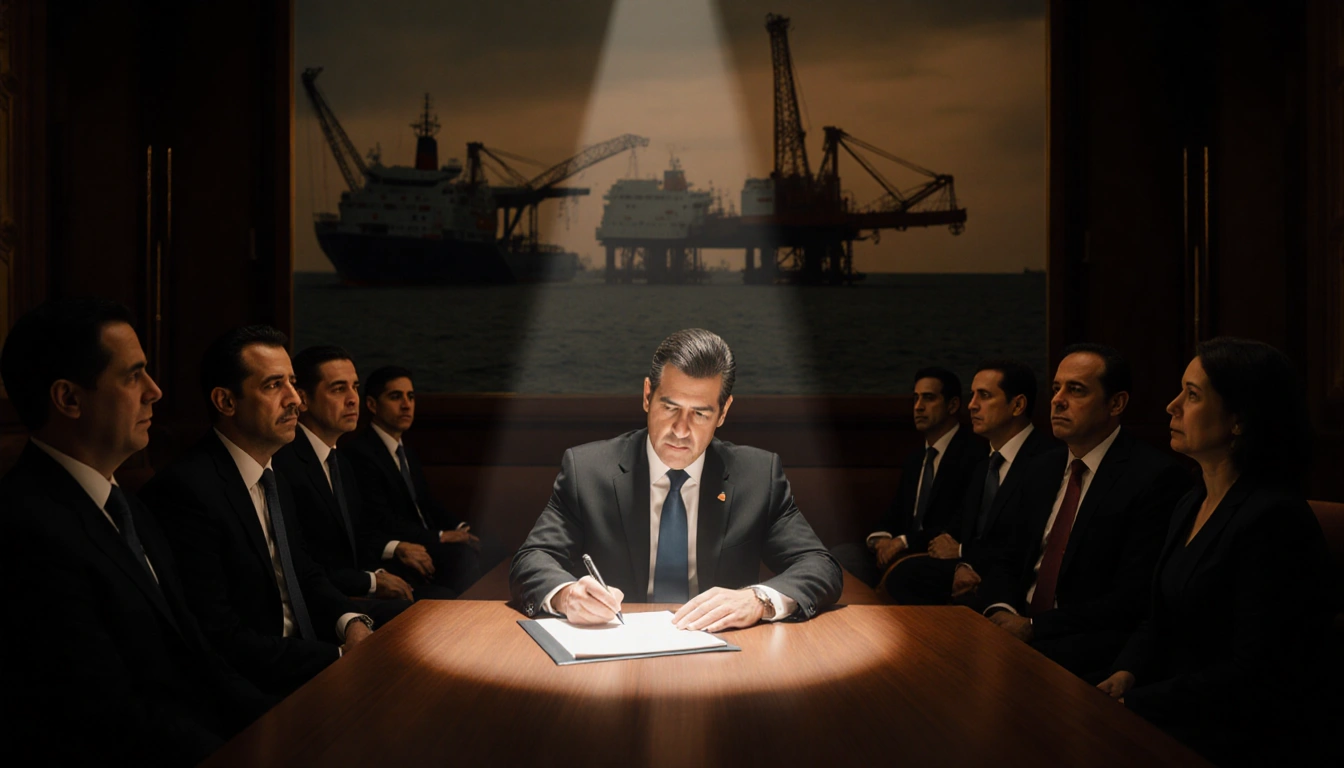
In a swift two-day session, Venezuela’s National Assembly approved a bill that could criminalize the seizure of oil tankers and other actions that threaten maritime commerce.
Legislative Response to U.S. Seizures
The measure was introduced after U.S. forces seized two tankers carrying Venezuelan oil in international waters. Drafts of the bill were not released, but as read on the floor, it imposes fines and prison terms of up to 20 years on anyone who promotes, requests, supports, finances or participates in acts of piracy, blockades or other international illegal acts against commercial entities operating with Venezuela. The bill now awaits President Nicolás Maduro’s signature and directs the executive branch to develop incentives and mechanisms that protect national or foreign entities doing business with Venezuela in the event of piracy activities, a maritime blockade or other unlawful acts.
Support from Opposition and Trump
Venezuela’s political opposition, including Nobel Peace laureate María Corina Machado, has voiced support for President Trump’s policy, including the seizure of tankers. Machado and Trump have repeatedly stated that Maduro’s days in power are numbered. After the first seizure, Trump announced that the United States would carry out a blockade of Venezuela and demanded that the country return assets seized from U.S. oil companies years ago, citing the blockade against sanctioned oil tankers traveling to or from Venezuela.
U.N. Security Council Debate
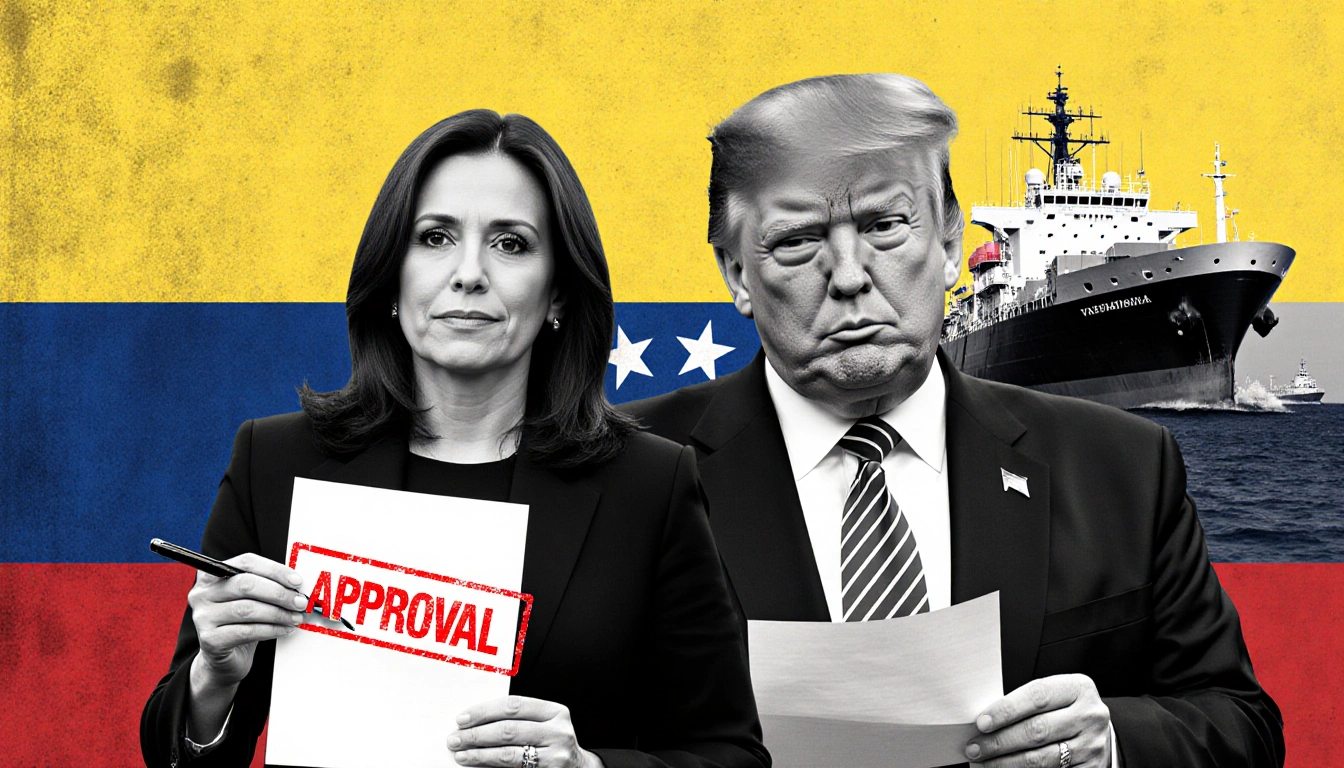
At an emergency U.N. Security Council meeting called by Venezuela, U.S. Ambassador Mike Waltz emphasized that sanctioned oil tankers are the primary economic lifeline for Maduro and his “fraudulent claim to power and his narco-terrorist activities.” Waltz said the United States would impose and enforce sanctions to deprive Maduro of the resources he uses to fund the Cartel de los Soles. Maduro was indicted in 2020 on narcoterrorism charges in the United States and accused of leading the Cartel de los Soles, which the Trump administration designated as a foreign terrorist organization last month.
Venezuela’s U.N. Ambassador Samuel Moncada accused the United States of acting “outside international law” and its own domestic laws by demanding that Venezuelans vacate the country and hand over its oil fields. Moncada questioned the U.S. right to appropriate almost 4 million barrels of Venezuelan oil, describing the alleged naval blockade as a military act aimed at laying siege to the Venezuelan nation and weakening its social and political cohesion.
International Reactions
Many countries expressed concern about violations of international maritime law and the United Nations Charter, which requires all member states to respect each other’s sovereignty and territorial integrity. The United States’ actions were supported by a few countries, including Panama and Argentina.
Key Takeaways
- The bill criminalizes piracy, blockades and other illegal acts against Venezuelan commercial entities, with fines and up to 20-year prison terms.
- The United States seized two tankers, citing sanctions and a planned blockade, and demanded the return of seized assets.
- Venezuela’s U.N. ambassador condemned the blockade as a violation of international law, while the U.S. ambassador highlighted Maduro’s reliance on oil sales.
The passage of the law marks a significant escalation in Venezuela’s domestic response to U.S. maritime actions and underscores the ongoing geopolitical tensions surrounding the country’s oil exports.