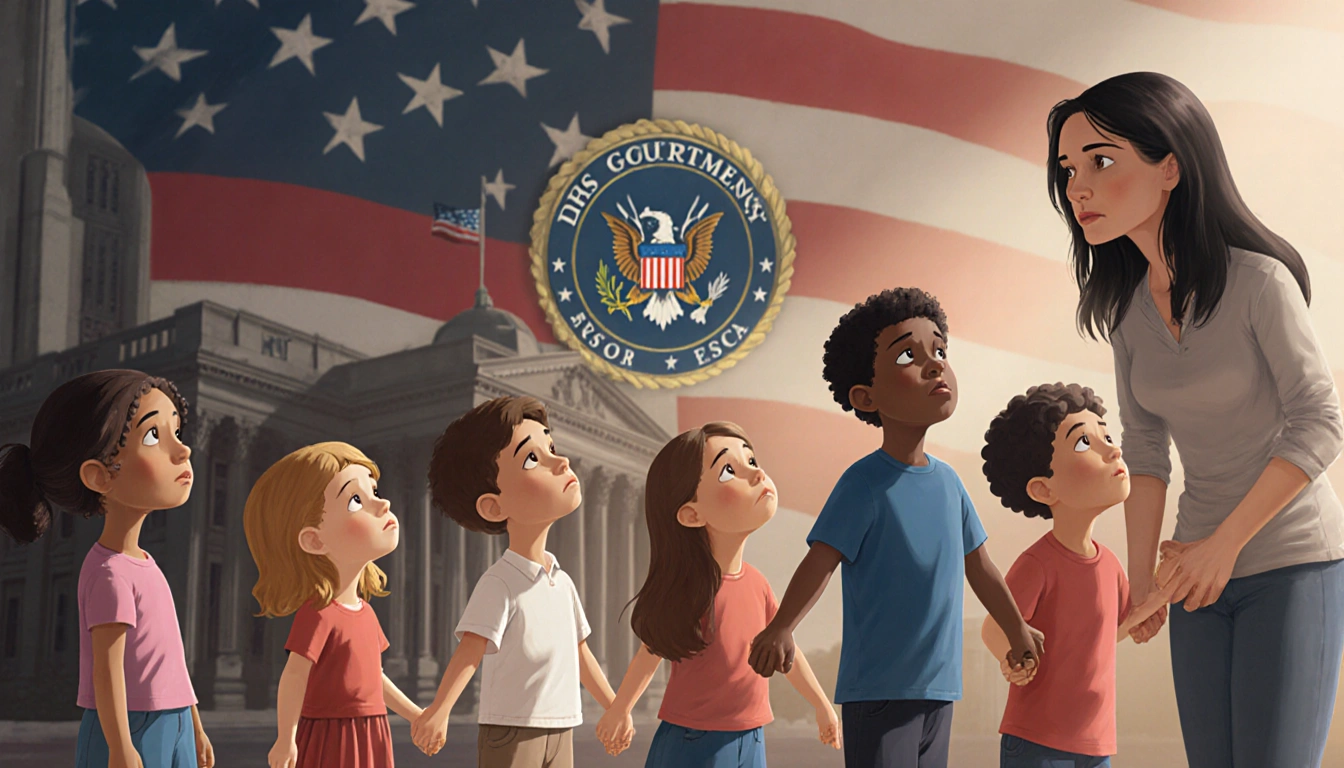
Senator Alex Padilla and 126 other lawmakers have written to DHS urging the agency to abandon a proposed public charge rule that could jeopardize U.S. citizen children and immigrant families across the country.
Background
The term “public charge” refers to a legal standard that determines whether an immigrant is likely to rely primarily on government assistance. Under this statute, an immigration officer can deny entry or legal residence if the individual is expected to become dependent on aid. Padilla, a Democrat from California, highlighted this definition in a statement released by his office.
The 2022 public charge regulations were introduced during the Biden administration to clarify how the rule should be applied. Those rules aimed to provide consistency and fairness for families seeking lawful status. They have been in effect for several years, offering a predictable framework for adjudicators.
In the past, changes to the public charge rule have caused confusion among immigrant communities. Families have reported uncertainty about eligibility for health care and nutrition programs. The new proposal could reverse the protections established in 2022.
The Proposed Rule
The Trump administration has announced plans to rescind the 2022 regulations. It seeks to replace them with standards that the Padilla office describes as “vague, undefined standards, leading to arbitrary decision-making, fear, and widespread confusion.” This shift would fundamentally alter how immigration officers assess potential reliance on public benefits.
According to Padilla’s statement, the proposed changes could drive families, including those with U.S. citizen children, away from lawful access to health care, nutrition, and early childhood programs. The letter to DHS Secretary Kristi Noem emphasizes that the new rule would undermine the rule of law. It also warns of a massive chilling effect on families seeking assistance.
Opposition to the Proposal
Padilla and his colleagues argue that the proposal contradicts congressional intent. They contend that it would undermine the rule of law and create uncertainty for families. The lawmakers also claim that the changes would worsen child health outcomes and increase food insecurity.
The letter stresses that the public charge rule, as currently written, protects vulnerable populations. The lawmakers fear that the new standards would shift costs to states and local governments. They argue that the 2022 regulations provide clarity and consistency for families and adjudicators alike.
Letter to DHS
In a formal letter, the group asked DHS to withdraw the proposed rule in full. They requested that the agency maintain the 2022 regulations. The letter was addressed to Secretary Kristi Noem, who oversees the department.
The letter is a direct appeal to federal officials. It calls for the preservation of the existing framework that has guided immigration decisions for the past few years. The lawmakers emphasize that the current system balances the needs of immigrants with public resources.
Implications for Public Health
If the new rule were implemented, it could trigger a significant decline in health care usage among immigrant families. The lawmakers warn that child health outcomes could deteriorate as a result. They also point out that food insecurity could rise, putting additional strain on community resources.
The proposed changes might also affect early childhood programs that many immigrant families rely on. The potential loss of access could have long-term effects on child development. The lawmakers stress that these programs are essential for maintaining family stability.
Economic Impact
The shift from the 2022 regulations could increase the financial burden on state and local governments. The lawmakers argue that the new rule would transfer costs away from the federal government. This could result in higher taxes or reduced services at the local level.
Additionally, the proposed rule may create uncertainty for employers who hire immigrant workers. Companies could face legal challenges if employees are deemed public charge applicants. The lawmakers highlight the potential for increased litigation and administrative costs.

Legal and Policy Concerns
The proposal raises questions about the consistency of immigration policy. Padilla’s office argues that the rule of law requires clear and predictable standards. The lawmakers contend that the lack of specificity in the new rule would undermine legal certainty.
They also point out that the proposed rule could create a chilling effect, discouraging families from seeking necessary assistance. This could lead to a broader erosion of trust in the immigration system. The lawmakers call for a return to the established framework.
Key Takeaways
- Senator Padilla and 126 other lawmakers urge DHS to withdraw the proposed public charge rule.
- The current 2022 regulations are seen as providing clarity, fairness, and consistency.
- The new proposal could harm U.S. citizen children, increase food insecurity, and shift costs to states and local governments.
The letter to Secretary Kristi Noem is a clear call to preserve the existing public charge framework. The lawmakers emphasize that the 2022 regulations protect vulnerable families and maintain public health systems nationwide. Their appeal underscores the importance of predictable immigration policy for the well-being of all communities involved.