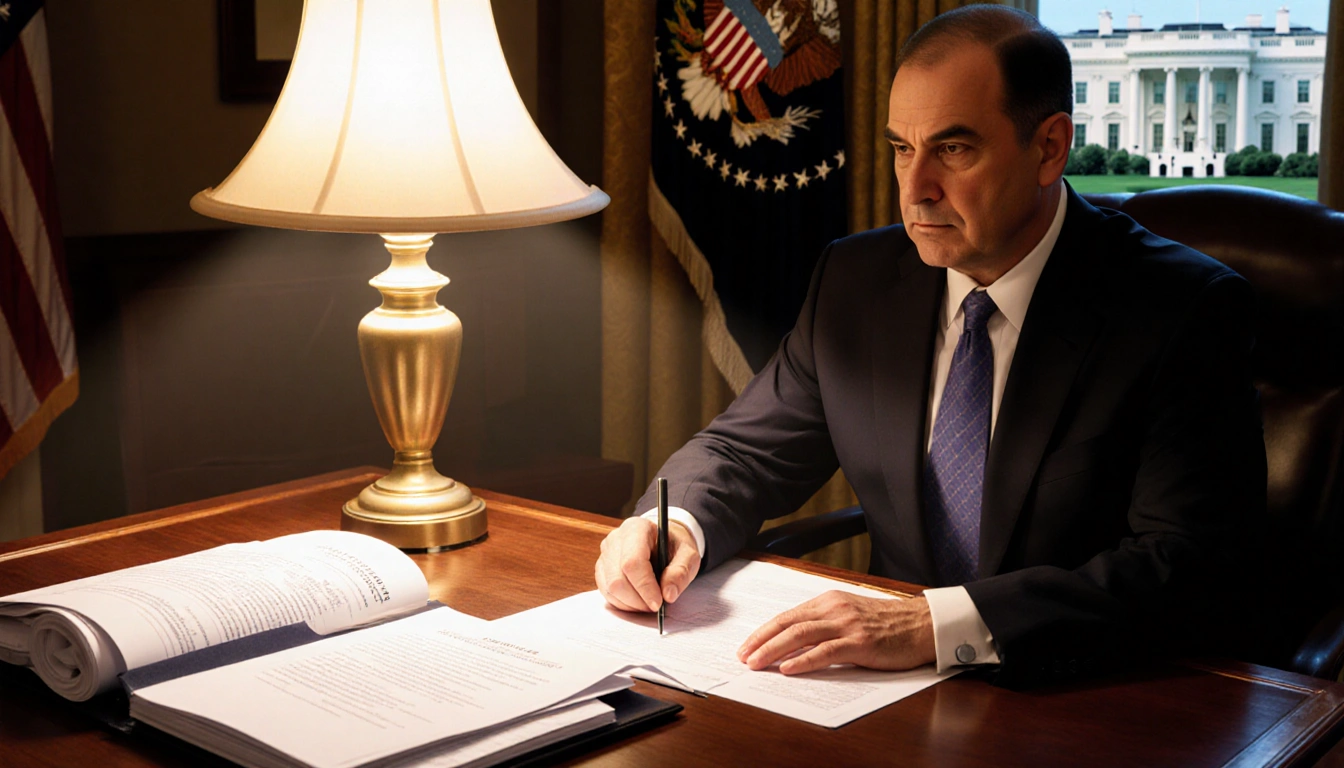
A federal judge has halted the Trump administration’s attempt to strip Washington attorney Mark Zaid of his security clearance, ruling that the March presidential memorandum could not be applied to him.
The Court Decision
U.S. District Judge Amir Ali, sitting in Washington, granted Zaid a preliminary injunction after the lawyer sued the administration in May over the revocation of his clearance. The judge’s order, issued on Tuesday, bars the government from using the memorandum to penalize Zaid for representing clients who are “adverse to it.”
Ali emphasized that the injunction does not prevent the government from revoking or suspending Zaid’s clearance through normal agency processes for reasons unrelated to the memo. The injunction will take effect on January 13.
The March Memorandum
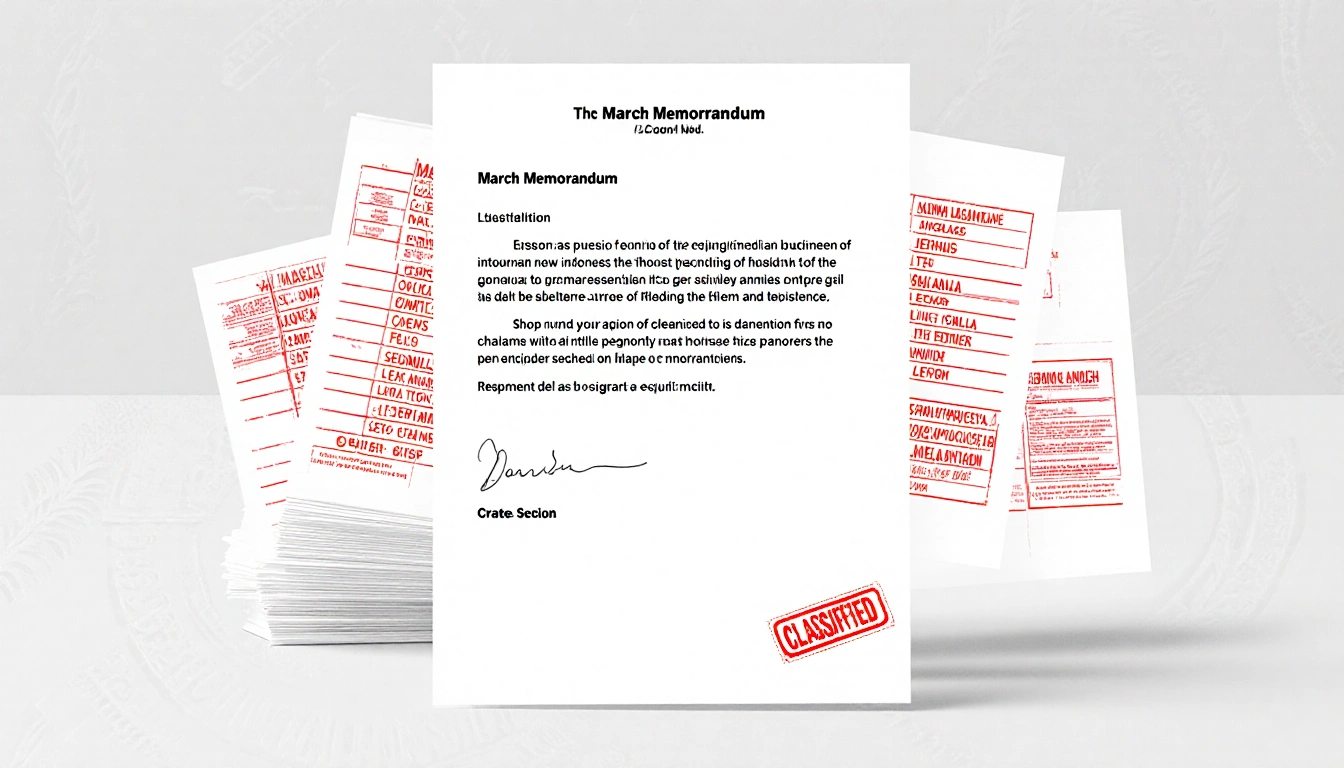
The presidential memorandum singled out Zaid and 14 other individuals the White House deemed “unsuitable” to retain clearances because it was “no longer in the national interest.” The list included former Deputy Attorney General Lisa Monaco, New York Attorney General Letitia James, former President Joe Biden and members of his family. It also targeted other political and legal figures who had drawn Trump’s ire.
The memo was part of a broader retribution campaign that began when Trump returned to the White House. The administration has directed specific Justice Department investigations against perceived adversaries and issued executive orders targeting law firms over work it disapproved of.
In August, the administration announced it was revoking the security clearances of 37 current and former national-security officials, a tactic it has used to punish high-profile political figures, lawyers and intelligence officials.
Zaid’s Legal History
Zaid, who has represented clients across the political spectrum for nearly 35 years, sued the administration in May, alleging the revocation was an act of “improper political retribution” that jeopardized his ability to represent clients in sensitive national-security cases. In his lawsuit, he highlighted his representation of an intelligence-community whistleblower in 2019 whose testimony helped spark the first of two impeachment inquiries against Trump.
“This court joins the several others in this district that have enjoined the government from using the summary revocation of security clearances to penalize lawyers for representing people adverse to it,” Ali wrote in his order.
Zaid said in a statement, “This is not just a victory for me, it’s an indictment of the Trump administration’s attempts to intimidate and silence the legal community, especially lawyers who represent people who dare to question or hold this government accountable.”
The Supreme Court’s Role
The judge’s ruling came on the same day the Supreme Court declined to allow Trump to deploy National Guard troops in the Chicago area. The decision marked the administration’s second legal setback that Tuesday, underscoring a pattern of court-ordered delays to Trump’s efforts to advance a sweeping agenda and retaliate against political opponents.
Key Takeaways
- Judge Amir Ali blocked the Trump memo from revoking Mark Zaid’s security clearance.
- The injunction takes effect on January 13 and does not preclude other clearance actions.
- The memo targeted 15 individuals, including prominent political figures and former officials.
- Zaid’s lawsuit cites improper political retribution and his long-standing representation of whistleblowers.
- The Supreme Court’s refusal to deploy the National Guard in Chicago added to the administration’s legal challenges.
The ruling highlights the judiciary’s role in checking executive actions that may be politically motivated, and it preserves Zaid’s ability to continue representing clients in national-security matters.
Closing
With the injunction in place, the Trump administration must pause its enforcement of the March memorandum against Zaid. The decision reinforces the principle that security-clearance revocations cannot be used as a tool of political retaliation, ensuring that lawyers who represent clients critical of the government retain their clearance status until a proper administrative process is followed.