
On Wednesday, the Centers for Disease Control and Prevention (CDC) released a warning after a sudden spike in salmonella infections linked to raw oysters.
Health officials confirmed that 64 people in 22 states have tested positive for the same strain of the bacteria.
The cases span a wide geographic area, from the Northeast to the Southwest, indicating a potentially widespread issue.
No deaths have been reported so far, but at least 20 of the infected individuals required hospitalization.
The outbreak has prompted an urgent review of oyster safety practices across the country.
While the CDC and the Food and Drug Administration (FDA) have not yet identified a common source, the lack of a recall signals uncertainty about where the contamination may have originated.
Consumers are advised to stay informed and follow the latest guidance from public health authorities.
The situation remains fluid, and officials are working to determine the root cause.
Outbreak Overview
Health officials have traced the outbreak to a specific strain of salmonella, but the exact pathway of contamination remains unclear.
The CDC reports that 27 people have been interviewed, and 20 of them confirmed eating raw oysters in the week before they fell ill.
The remaining seven individuals did not report recent oyster consumption, suggesting that other exposures may exist.
The high hospitalization rate-20 out of 64-raises concerns because it exceeds the typical severity seen in oyster-associated outbreaks.
Despite the seriousness, the CDC has not yet issued a formal recall of any oyster products.
The FDA is also reviewing the situation, but no definitive source has been pinpointed.
Until a common source is confirmed, public health officials recommend caution when consuming raw oysters from any supplier.
The CDC’s statement emphasizes that oysters can harbor harmful bacteria regardless of their origin.
Geographic Spread
The cases have been reported in a variety of states, with the highest numbers in Pennsylvania and New York.
Below is a breakdown of the confirmed cases by state:
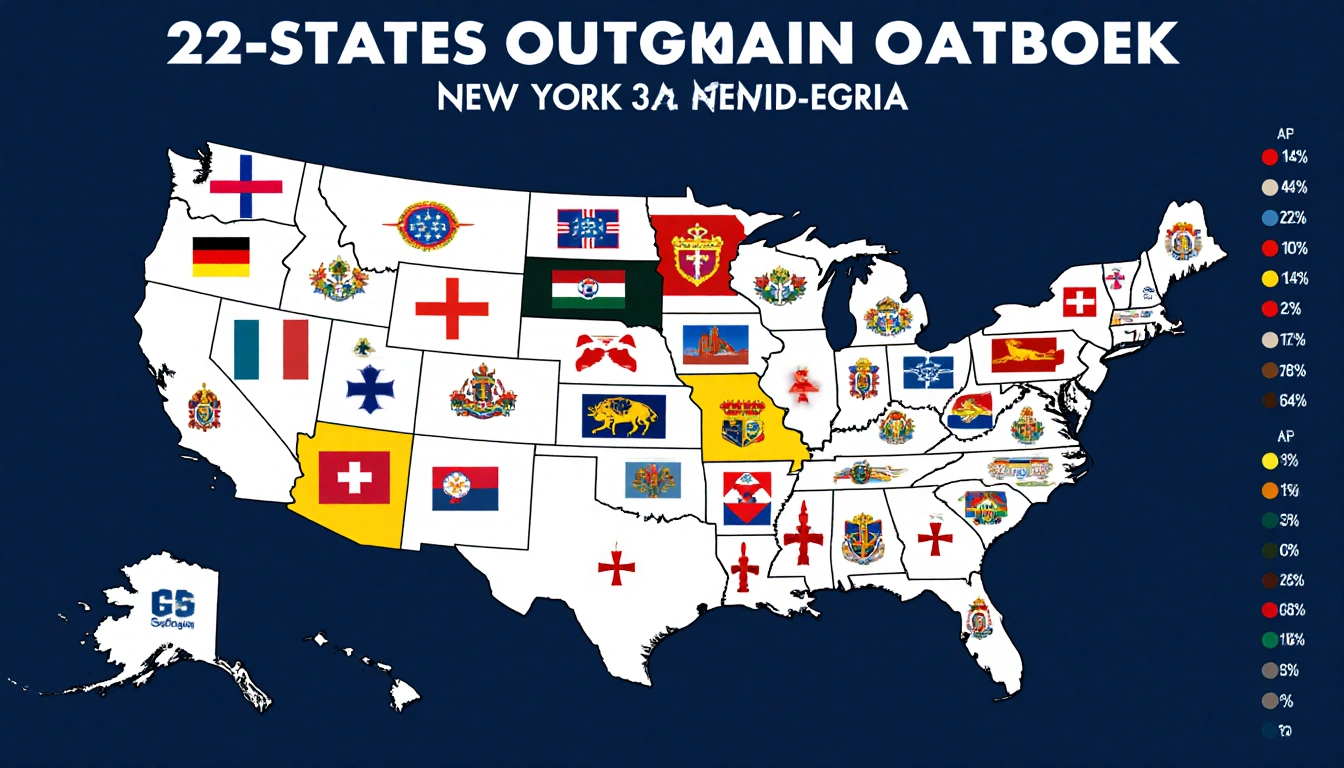
- Pennsylvania: 10 cases
- New York: 7 cases
- New Jersey: 6 cases
- Virginia: 6 cases
- Georgia: 4 cases
- Arizona: 3 cases
- Colorado: 3 cases
- Florida: 3 cases
- Massachusetts: 3 cases
- South Carolina: 3 cases
- California: 2 cases
- Connecticut: 2 cases
- Delaware: 2 cases
- Texas: 2 cases
- Illinois: 1 case
- Kentucky: 1 case
- Maine: 1 case
- Missouri: 1 case
- North Carolina: 1 case
- South Dakota: 1 case
- Tennessee: 1 case
- Maryland: 1 case
Hospitalizations and Severity
Among the 64 confirmed cases, 20 patients required hospitalization, a figure that stands out because it surpasses the usual hospitalization rates for oyster-related salmonella infections.
The CDC notes that severe cases can arise when the bacteria cause intense gastrointestinal distress, leading to dehydration and the need for medical intervention.
No fatalities have been recorded, but the high number of hospital admissions underscores the potential seriousness of the outbreak.
Health professionals warn that individuals with weakened immune systems, the elderly, and young children may experience more severe symptoms.
Early symptoms of salmonella infection include diarrhea, fever, and abdominal cramps, which can manifest as early as six hours after ingestion and up to six days later.
Most individuals recover within four to seven days, often without the need for antibiotics, but severe cases may require treatment.
The CDC continues to monitor the clinical outcomes of affected patients and will update the public as new information emerges.
Source Investigation
Investigators are working to determine whether the salmonella cases stem from a single batch of oysters or multiple suppliers.
The CDC and FDA have not yet confirmed a common source, which means that consumers cannot rely on a specific brand or supplier to be safe.
The lack of a recall at this time reflects uncertainty about the contamination point.
Public health officials are conducting traceback studies to identify where the oysters were harvested, processed, and distributed.
If a single source is found, a recall could be issued to protect consumers.
Until then, the CDC urges caution for anyone who consumes raw or undercooked oysters.
The investigation also includes laboratory testing of oyster samples from various locations to detect the presence of the implicated salmonella strain.
CDC Guidance
The CDC advises that raw oysters can carry harmful bacteria regardless of where they are purchased.
Visual inspection of oysters is not a reliable method for detecting contamination, and adding hot sauce or lemon juice does not kill salmonella.
The agency stresses that oysters must be fully cooked to eliminate bacteria, which requires heating them to an internal temperature that destroys the pathogen.
Cooking methods such as grilling, steaming, or frying are recommended.
The CDC also recommends that people with weakened immune systems, the elderly, and young children avoid raw shellfish entirely.
If consumers choose to eat raw oysters, they should only do so from reputable suppliers that adhere to strict safety protocols.
The CDC’s guidance is based on the known risk of salmonella transmission through raw shellfish.
Public health officials emphasize that following proper food handling and cooking practices is the most effective way to prevent illness.
Understanding Salmonella
Salmonella is a bacterial pathogen that causes approximately 1.35 million infections, 26,500 hospitalizations, and 420 deaths in the United States each year.
The bacteria are commonly found in contaminated food, especially raw or undercooked meats and shellfish.
Infections typically present with diarrhea, fever, and abdominal cramps.
Symptoms can begin anywhere from six hours to six days after the bacteria are ingested, depending on the individual’s immune response.
While many people recover within four to seven days without medical intervention, severe cases may require hospitalization and antibiotic treatment.
The CDC estimates that certain populations-young children, the elderly, and those with weakened immune systems-are at higher risk for severe disease.
Laboratory testing of stool samples, body tissue, or fluids is required to confirm a salmonella infection.
The CDC’s data underscores the importance of food safety practices to reduce the incidence of this common bacterial illness.
Preventive Measures
Consumers can reduce their risk of salmonella infection by taking several practical steps.
First, avoid eating raw or undercooked oysters and other shellfish.
If you prefer raw oysters, purchase them only from reputable suppliers that follow stringent safety protocols.
Second, ensure that all oysters are fully cooked before consumption; cooking destroys the bacteria.
Third, be cautious when handling raw shellfish-wash your hands thoroughly before and after contact.
Fourth, keep raw shellfish separate from other foods to prevent cross-contamination.
Fifth, pay attention to any health advisories issued by local or national authorities regarding shellfish safety.
The CDC’s guidance also advises that individuals with weakened immune systems, the elderly, and young children should steer clear of raw shellfish entirely.
By following these measures, consumers can protect themselves and others from salmonella and other foodborne illnesses.
Key Takeaways
- 64 confirmed salmonella cases linked to raw oysters across 22 states, with 20 hospitalizations.
- No deaths reported yet, but severity higher than typical oyster outbreaks.
- CDC urges full cooking of oysters; raw consumption poses a significant risk.
Closing
The outbreak highlights the critical role of proper food handling and cooking practices in preventing foodborne illness.
Public health officials remain vigilant and are actively investigating the source of the contamination.
As new information becomes available, the CDC will provide updates and guidance.
In the meantime, consumers should exercise caution when consuming raw shellfish and follow the agency’s recommendations to stay safe.