
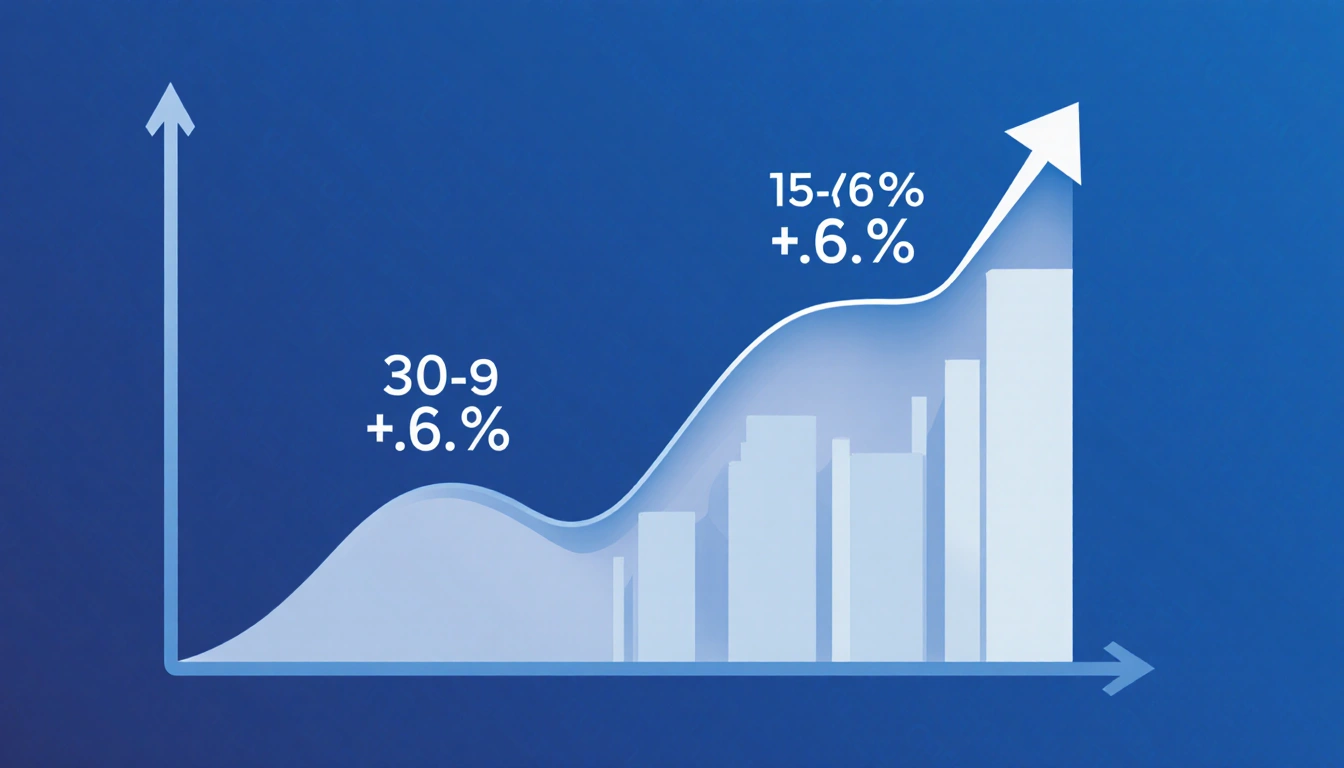
U.S. mortgage rates slipped to 6.18% for the 30-year loan, a modest drop that keeps them in a tight band that has persisted for two months.
30-Year Mortgage Trend
The average long-term mortgage rate fell to 6.18% from 6.21% last week, according to Freddie Mac. A year ago, the rate averaged 6.85%. The 30-year rate has remained largely steady in recent weeks, holding near its low point of 6.17% reached on Oct. 30-its lowest level in more than a year.
15-Year Fixed-Rate Movement
Borrowing costs for 15-year fixed-rate mortgages, a popular choice for homeowners refinancing, rose this week. The average rate climbed to 5.50% from 5.47% last week. A year ago, the average for the same term was 6%. The rise reflects a shift in market dynamics that keeps 15-year rates slightly above the 30-year benchmark.
10-Year Treasury Yield
The 10-year Treasury yield, which lenders use as a pricing guide for home loans, was at 4.15% at midday Wednesday. This is up modestly from last week’s 4.12%. The yield’s movement mirrors the trajectory of mortgage rates, underscoring the link between Treasury performance and home-loan pricing.
Fed Policy and Market Signals
Mortgage rates are influenced by several factors, from the Federal Reserve’s interest-rate policy decisions to bond-market investors’ expectations for the economy and inflation. They generally follow the trajectory of the 10-year Treasury yield.
The Federal Reserve does not set mortgage rates directly. However, when the Fed cuts its short-term rate, it can signal lower inflation or slower economic growth ahead. That signal can encourage investors to buy U.S. government bonds, which can lower long-term Treasury yields and, in turn, reduce mortgage rates. Fed rate cuts do not always translate into lower mortgage rates, though.
Home-Buying Landscape
Home shoppers who can afford to pay cash or finance at current mortgage rates find themselves in a more favorable position than a year ago. Listings are up sharply from last year, and many sellers have lowered their initial asking price as homes take longer to sell, according to Realtor.com data.
Affordability remains a challenge for many aspiring homeowners, especially first-time buyers who do not have equity from an existing home to put toward a new purchase. Uncertainty over the economy and job market keeps many potential buyers on the sidelines.
Sales Data
Sales of previously occupied U.S. homes rose in November from the previous month, but the pace slowed compared to a year earlier for the first time since May. This slowdown occurred despite average long-term mortgage rates holding near their low point for the year. Through the first 11 months of this year, home sales are down 0.5% compared to the same period last year.
Outlook
Economists generally forecast that the average rate on a 30-year mortgage will remain slightly above 6% next year. The current rate environment, combined with ongoing Fed policy actions, suggests that rates will stay close to this level for the foreseeable future.
Key Takeaways
- The 30-year mortgage rate fell to 6.18%, a modest drop that keeps it in a tight two-month range.
- The 15-year fixed-rate mortgage rose to 5.50%, slightly above the 30-year benchmark.
- The 10-year Treasury yield was 4.15% at midday Wednesday, up from 4.12% the week before.
The combination of steady long-term rates, a modest rise in 15-year rates, and a Treasury yield that mirrors market expectations paints a picture of a mortgage market that is sensitive to Fed policy but remains largely contained in its current range. Potential buyers should monitor both Treasury yields and Fed announcements, as these factors continue to shape the cost of borrowing for the next several months.