Neil Frank, the former National Hurricane Center director who modernized storm forecasting, died Wednesday at the age of 94.
A Legacy in Storm Science
Frank led the hurricane center from 1974 to 1987, becoming the longest-serving director in its history.
His work coincided with advances in weather satellite technology that improved storm tracking. He worked to make that information accessible to residents in hurricane-vulnerable areas.
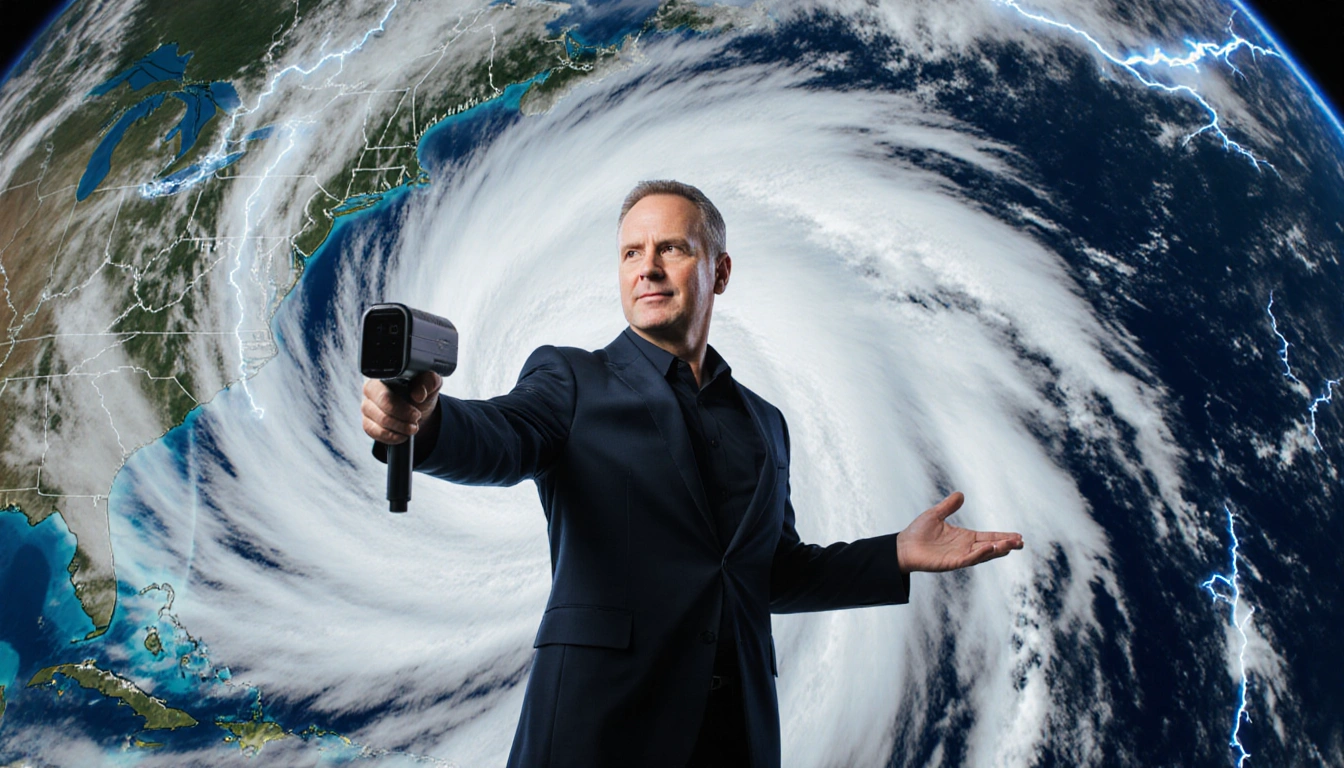
Frank also appeared regularly on television to give updates on storms and advice on staying safe. His on-air presence was marked by enthusiasm and a sense of urgency.
Former director Max Mayfield praised Frank’s outreach. “He gets tremendous credit for the being the first one to go out of his way and reach out and make the connection between the National Hurricane Center and the emergency managers,” Mayfield said.
Mayfield added, “He taught me that it’s not all about the forecast.” He went on to say, “A perfect forecast is no good if people don’t take immediate action.”
Frank’s son, Ron Frank, shared a Facebook post saying his father died at home a few days after entering hospice care.
KHOU-TV in Houston, where Frank spent two decades as chief meteorologist after leaving the hurricane center, first reported the death. The station referred an Associated Press call for comment to CBS.
CBS’s spokeswoman declined comment but directed the AP to Ron Frank’s post. The AP noted the station’s reference to the CBS statement.
Frank’s skepticism about climate change was noted by Mayfield. “He was skeptical that human actions, such as the burning of oil, gas and coal, cause climate change,” Mayfield said.
In a YouTube video titled “Is Climate Change Real?” Frank attributed warming to the planet’s natural and cyclical weather patterns.
Scientists today overwhelmingly agree that burning of fossil fuels is the primary driver of planet-warming emissions that are causing more frequent, costly and deadly extreme weather around the world.
Despite his scientific background, Frank’s focus remained on public safety during storms. He believed that accurate forecasting alone was insufficient without public action.
His televised updates often featured hand gestures and animated storytelling. Mayfield recalled that if the footage were played on fast-forward, Frank would look like a juggler at times.
Frank’s legacy includes the integration of satellite data into public advisories. This shift helped communities better prepare for impending hurricanes.
He also established protocols for emergency managers to receive timely information. This collaboration improved coordinated responses during major storms.
Frank’s death marks the passing of a figure who shaped modern hurricane preparedness in the United States.
The National Hurricane Center’s history now includes his tenure as a pivotal period of technological and procedural advancement.
His contributions continue to influence how forecasters communicate risk to the public.
Key Takeaways
- Frank led the NHC from 1974-1987, becoming its longest-serving director.
- He advanced satellite data use and public outreach, improving storm preparedness.
- He was skeptical of human-caused climate change and made a YouTube video “Is Climate Change Real?”.
Neil Frank’s death is a reminder of the importance of clear, actionable communication in the face of natural disasters. His work laid the groundwork for safer communities and better preparedness.