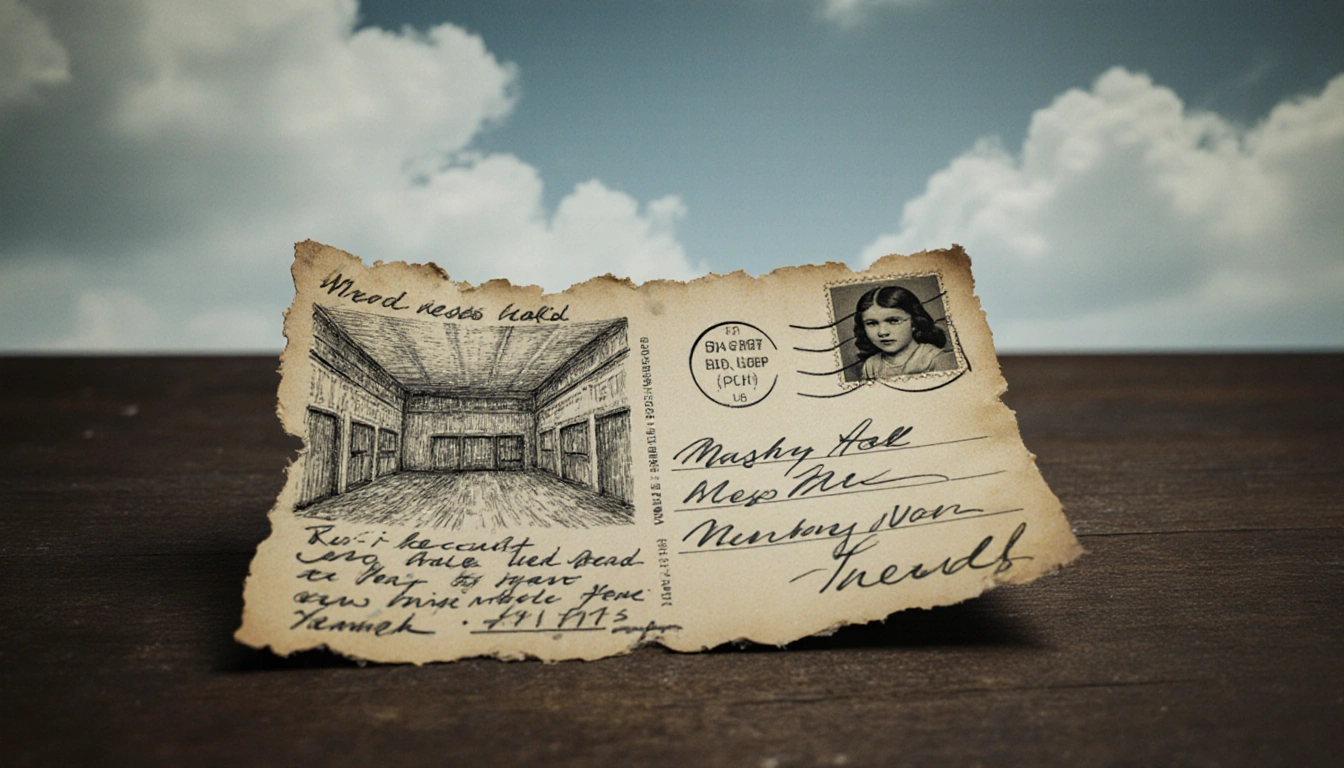
The Alleged Postcard
A postcard purporting to be from Jeffrey Epstein to former sports doctor Larry Nassar, claiming President Trump loved young girls, has been debunked as a fake by the Justice Department. The alleged letter, which references Trump’s supposed fondness for “young, nubile girls,” was posted on X and quickly attracted attention. On Tuesday, the DOJ announced that the document was a fabrication, noting that it had been flagged for the FBI at the time.
The postcard contains statements such as “Our president also shares our love of young, nubile girls.” and “When a young beauty walked by, he loved to ‘grab snatch,’ whereas we ended up snatching grub in the mess halls of the system. Life is unfair,” it reads.
Investigation into Authenticity
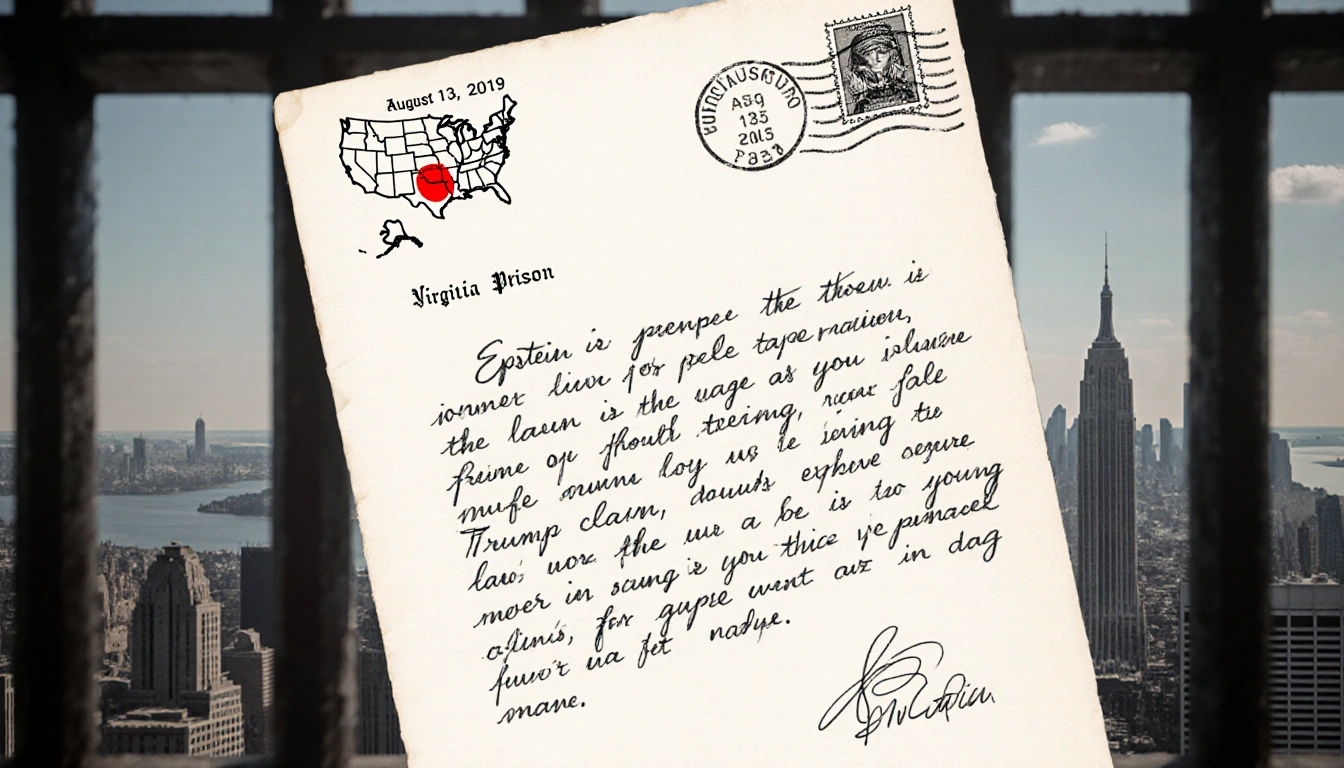
The writer claims to be Epstein, writing while both he and Nassar were in prison. The postcard was postmarked August 13, 2019, three days after Epstein’s death, and was sent from a Virginia prison, while Epstein was held in New York. The letter also alludes to a 2005 tape released in 2016 in which Trump bragged about how being famous meant he could “grab [women] by the p-y.”
The DOJ said it was “looking into the validity” of the message, noting that the postcard lacked Epstein’s required inmate number for outgoing mail. The absence of the inmate number is a key indicator that the letter did not originate from Epstein’s official correspondence. Additionally, the DOJ confirmed that the handwriting did not appear to match Epstein’s known script.
DOJ’s Confirmation and Explanation
Shortly thereafter, the DOJ declared the letter fake and provided the analysis supporting that claim. The department added that “This fake letter serves as a reminder that just because a document is released by the Department of Justice does not make the allegations or claims within the document factual. Nevertheless, the DOJ will continue to release all material required by law,” it wrote on X.
Context and Implications
Epstein’s death by suicide in August 2019 added to the confusion surrounding the timing and authenticity of the postcard. Larry Nassar, the former sports doctor convicted of sexually abusing female gymnasts, was also referenced in the alleged letter, creating a sensational link between two infamous figures. The revelation that the document is fabricated raises concerns about public trust in official statements and the spread of misinformation.
The DOJ’s investigation demonstrates its role in scrutinizing documents that could influence public perception and legal proceedings. Verifying the authenticity of documents is crucial, especially when they involve high-profile individuals and sensitive allegations. The fake letter circulated on social media before the DOJ’s confirmation, highlighting how quickly misinformation can spread online.
Users on X reacted with skepticism and demanded clarification, prompting the DOJ to issue a public statement. Legally, the circulation of a fake document could have implications for defamation and the integrity of ongoing investigations. Similar incidents involving forged documents have previously prompted investigations into the sources and motives behind such releases.
The DOJ reiterated its commitment to transparency while cautioning that not all released documents are factual. Future steps may include a more detailed forensic analysis of the postcard and a review of the chain of custody for the material.
Key Takeaways
- The Justice Department confirmed the postcard is a fake.
- The letter lacked Epstein’s inmate number and matched his handwriting.
- The incident underscores the need for rigorous document verification.
Closing Thoughts
In summary, the Justice Department’s findings confirm the postcard is a fake, underscoring the importance of rigorous document verification. The incident serves as a reminder that even official releases must be scrutinized to protect the public from misinformation.