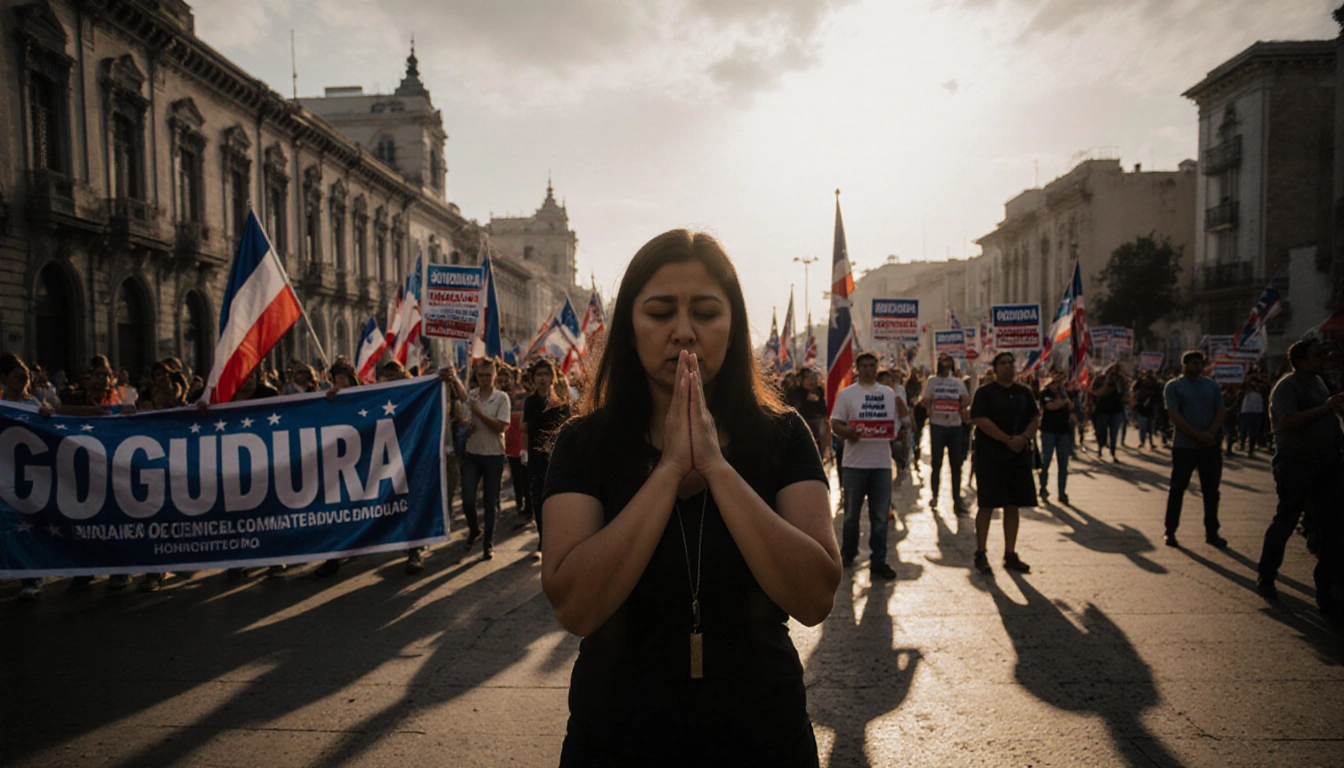

Nasry Asfura, the Trump-backed candidate, was declared the winner of Honduras’ presidential election after a protracted count that raised questions about the country’s fragile electoral system.
A Narrow Victory in a Contested Election
The National Party’s former Tegucigalpa mayor secured 40.27% of the vote in the Nov. 30 contest, edging out four-time Liberal Party challenger Salvador Nasralla, who finished with 39.53%. LIBRE’s candidate, the governing leftist party, captured 19.19% and placed a distant third.
The tally spanned more than three weeks, with authorities pausing to conduct a special count of final votes. At one point the process stalled, prompting international leaders to issue warnings about the legitimacy of the results.
Trump’s Late-Stage Endorsement and International Reactions
Just days before the vote, U.S. President Donald Trump endorsed Asfura, stating he was the only Honduran candidate the administration would work with. The endorsement was seen by many as a decisive factor in the tight race.
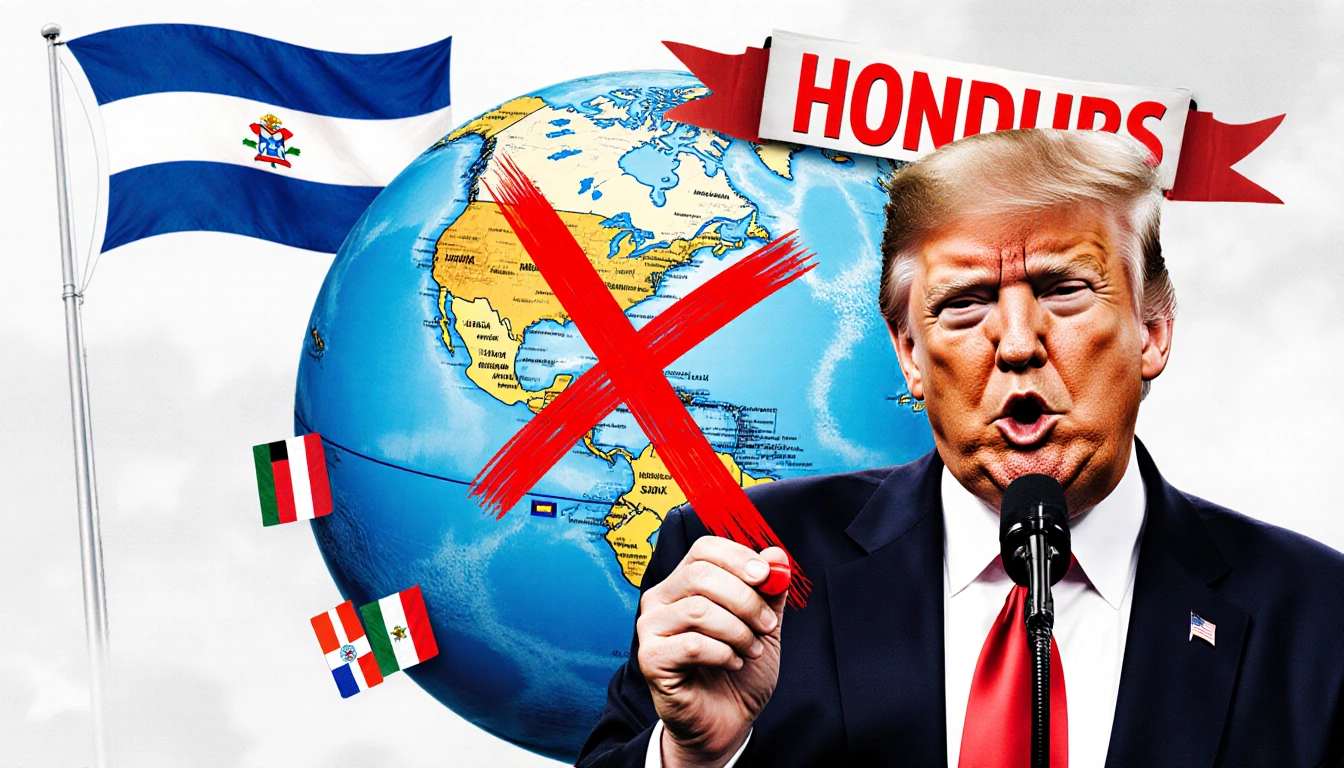
U.S. Secretary of State Marco Rubio congratulated the new president on X, writing, “The people of Honduras have spoken … (the Trump administration) looks forward to working with his administration to advance prosperity and security in our hemisphere.” The European Union and right-leaning Latin American leaders-including Argentine President Javier Milei-also extended congratulations.
Opposition Claims of Fraud and Electoral Interference
Nasralla has repeatedly alleged fraud. He said the electoral authorities “betrayed the Honduran people” and posted on X to Trump: “Mr. President, your endorsed candidate in Honduras is complicit in silencing the votes of our citizens. If he is truly worthy of your backing, if his hands are clean, if he has nothing to fear, then why doesn’t he allow for every vote to be counted?”
Opponents argue that Trump’s endorsement constituted electoral interference that ultimately swung the vote. The final .07% of ballots were still being counted when authorities announced results, a move condemned by the Organization of American States.
OAS and Other International Observers
OAS Secretary General Albert Rambin posted on X that the organization “takes note” of the announced results and is “closely following events in Honduras.” He also criticized the authorities for declaring a winner while the last portion of the vote remained uncounted.
Independent observer Eric Olson, affiliated with the Seattle International Foundation, noted the decisive rejection of incumbent President Xiomara Castro: “Very few people, even within LIBRE, believe they won the election. What they will say is there’s been fraud, that there has been intervention by Donald Trump, that we should tear up the elections and vote again,” he said. “But they’re not saying ‘we won the elections.’ It’s pretty clear they did not.”
A Shift Toward the Right in Latin America
Honduras’ result is part of a broader rightward swing across the region. A week earlier, Chile elected far-right politician José Antonio Kast as its next president. The outcome reflects growing skepticism toward left-leaning governments that were elected on promises of change but have faced criticism for unmet expectations.
Castro, who was elected in 2021 on a platform to reduce violence and root out corruption, accepted the results despite accusing Trump of orchestrating an “electoral coup.” Her administration’s influence has waned as opposition parties consolidated support for Asfura.
Key Takeaways
- Nasry Asfura wins Honduras presidency with 40.27% of the vote after a weeks-long count.
- Trump’s endorsement days before the election is viewed as pivotal.
- Opposition alleges fraud; OAS and international observers express concern.
The election underscores the fragility of Honduras’ electoral system and signals a continued shift toward right-leaning governments across Latin America.