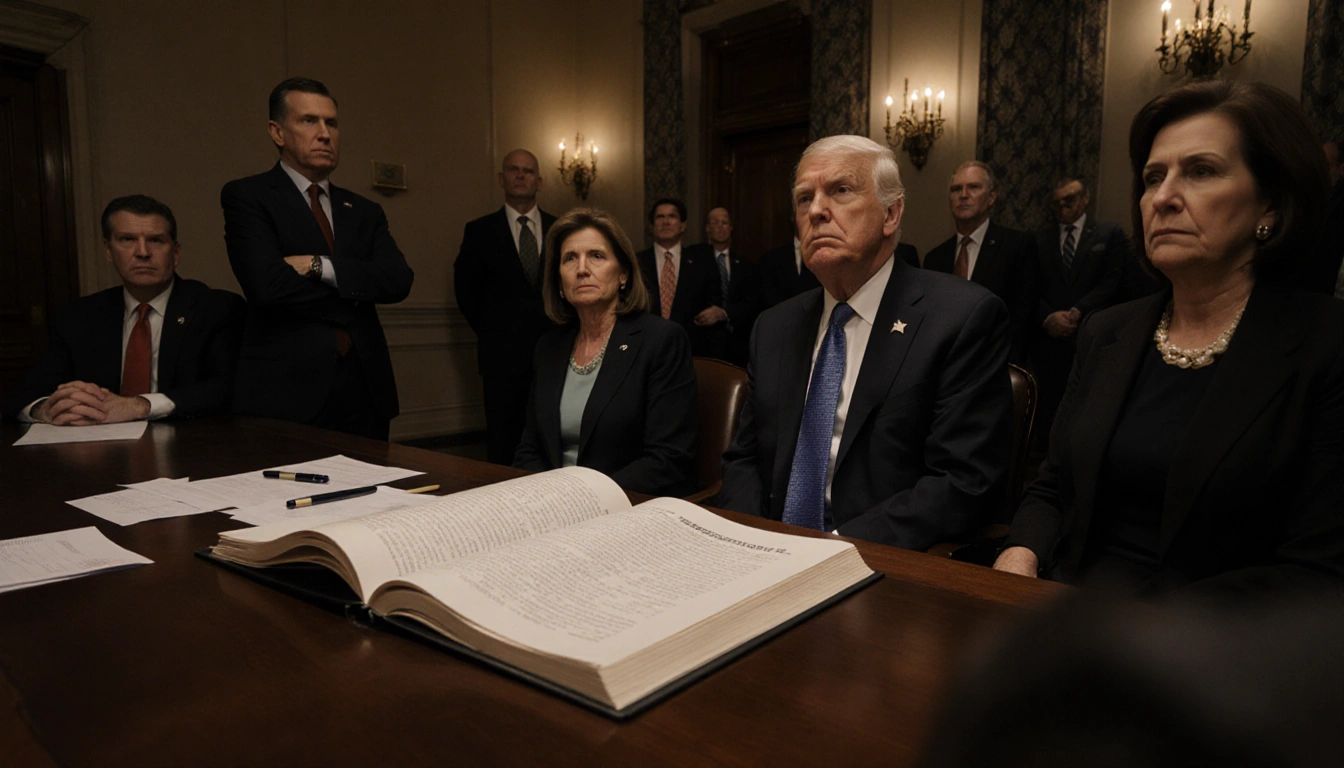
House pushes GOP health care bill Wednesday, even as a group of moderate Republicans signed a Democratic discharge petition to extend Affordable Care Act subsidies.
GOP Bill Advances
The chamber approved a rule that tees up debate and a final vote on the GOP health care package with a 213-209 vote. Rep. Jen Kiggans (Va.) was the only Republican to vote no on the rule, but she later supported the bill on the final vote.
The Package’s Focus
The GOP package does not address the expiring ObamaCare subsidies. Instead, it appropriates funds to pay for cost-sharing reductions in ObamaCare, a move that lowers premiums for some people but decreases the overall number of subsidies and can make premiums more expensive for others.
Moderates’ Alarm
Moderate Republicans had warned for weeks that failing to extend the subsidies would drive up American health care premiums and cost the party its majority in the 2026 midterms. The subsidies will expire at the end of this month, and lawmakers will be leaving for a winter recess later this week.
Speaker’s Stance
Speaker Mike Johnson (R-La.) said the House wouldn’t vote on an amendment to extend the subsidies. Moderates were furious Tuesday when Johnson told reporters that there would not be an amendment vote, noting many Republicans in competitive districts “did want to vote on this ObamaCare COVID-era subsidy the Democrats created.” He added, “We looked for a way to try to allow for that pressure release valve, and it just was not to be.”
Discharge Petition Success
Wednesday’s vote came shortly after four GOP centrists-Reps. Brian Fitzpatrick (Pa.), Mike Lawler (R-N.Y.), Rob Bresnahan (Pa.) and Ryan Mackenzie (Pa.)-signed on to a discharge petition from House Minority Leader Hakeem Jeffries (D-N.Y.) to extend the subsidies for three years. Their votes pushed the petition to the 218-signature threshold to force a floor vote.
Rule Adoption Despite Defiance
The moderate Republicans still allowed the rule that tees up votes on the GOP health care bill and other measures to be adopted. Several had said Tuesday they backed the provisions in the legislation, even if they were frustrated by the lack of action on the subsidies.
Negotiation Breakdown
Negotiations between moderates and GOP leadership to try to get an amendment vote fell apart after leadership insisted any extension would need to be paired with spending cuts.
Rules Committee Push
Moderates introduced amendments at the House Rules Committee in an eleventh-hour push. Republicans on the panel ended up ruling them all out of order.
Fitzpatrick’s Warning
“I think the only thing worse than a clean extension without any income limits and any reforms – because it’s not a perfect system – the only thing worse than that will be expiration,” Fitzpatrick, who introduced an amendment at the hearing, said.
Separate Discharge Efforts
Fitzpatrick had been leading a separate discharge petition effort to force floor action on a bipartisan bill he and Rep. Jared Golden (D-Maine) introduced to extend the subsidies for two years while implementing certain eligibility reforms. Rep. Josh Gottheimer (D-N.J.) had led another discharge petition effort to force action on a separate bill he Kiggans introduced to extend the subsidies for one year with modest eligibility reforms.
Lack of Democratic Backing
Neither petition had gotten significant Democratic backing. Jeffries had been urging Republicans to endorse his petition, instead, and the quartet of moderates did so Wednesday.
Jeffries’ Call to Action
“Mike Johnson should bring the bill to the floor immediately,” Jeffries wrote in a post on the social platform X after his petition reached the 218-signature mark.
Policy Implications
The GOP bill’s focus on cost-sharing reductions means it will lower premiums for some but reduces overall subsidies, potentially making premiums more expensive for others.
Deepening Divisions
The clash between GOP leadership and moderates highlights deep divisions over ACA subsidies and the future of health care policy.
Approaching Deadline
With the winter recess approaching, lawmakers face a deadline to decide whether to extend subsidies before they expire at month’s end.
Electoral Stakes
The outcome of the discharge petition and the GOP bill will influence the 2026 election, as moderates warned the loss of subsidies could erode the party’s majority.
House at a Crossroads
The House now stands at a crossroads, with the GOP bill advancing while moderates push for a broader, longer-term extension of ACA subsidies.
Key Takeaways
- The GOP health care bill passed a 213-209 rule, while moderates signed a 218-signature discharge petition.
- Speaker Mike Johnson rejected an amendment to extend subsidies, sparking a split among Republicans.
- The GOP package focuses on cost-sharing reductions, not on extending subsidies, potentially raising premiums for many.
The House’s next actions will determine whether the ACA subsidies survive the end of the month or whether the GOP package reshapes health care financing for years to come.