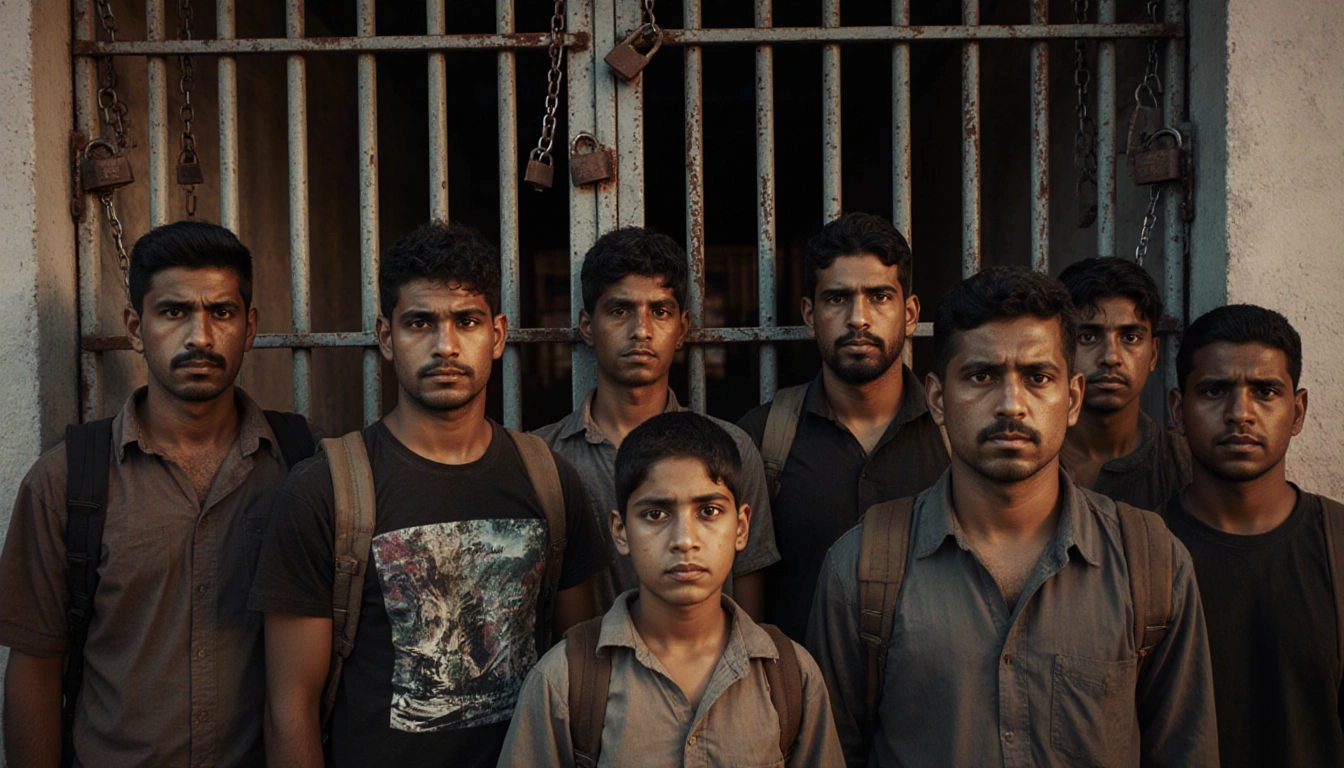
In Caracas, a group of Venezuelan migrants who had been held in a notorious prison in El Salvador are demanding justice after a federal judge in Washington ordered the United States government to grant them legal due process.
A Court Order Sparks a Call for Accountability
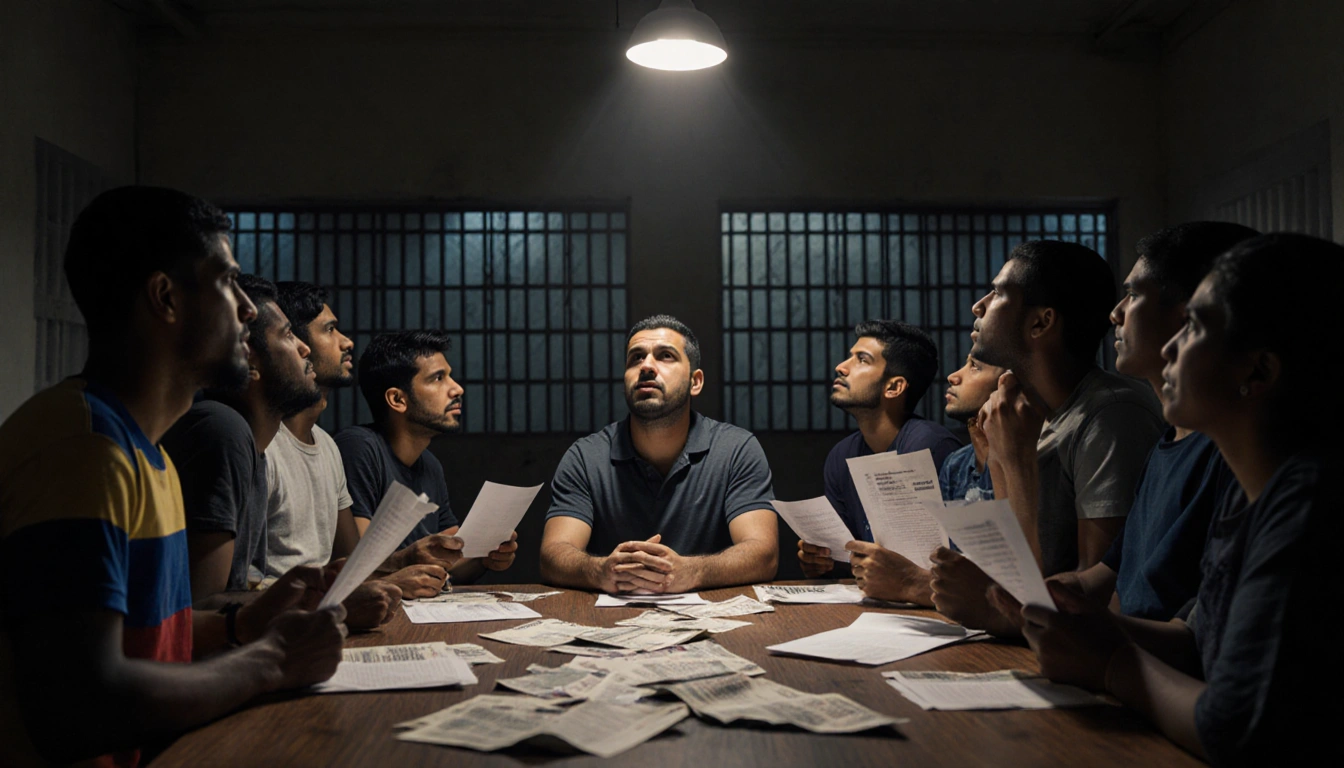
On Monday, a federal judge ruled that the U.S. must either provide the 252 Venezuelan men with court hearings or return them to the United States. The decision opens a path for the men to challenge the Trump administration’s claim that they belong to the Tren de Aragua gang and are subject to removal under an 18th-century wartime law. Days later, on Friday, the men gathered in Caracas to demand justice.
The press conference was organized by the Venezuelan government, which had previously announced that it had retained legal services for the immigrants. The men told reporters that they hope legal organizations can push their claims in court.
Testimonies of Abuse and Fear
The migrants have repeatedly said that they were physically and psychologically tortured while at the Salvadoran prison. “Today, we are here to demand justice before the world for the human rights violations committed against each of us, and to ask for help from international organizations to assist us in our defense so that our human rights are respected and not violated again,” Andry Blanco told reporters in Caracas, where roughly two dozen of the migrants gathered.
Some of the men shared the daily struggles they now face, including fear of leaving their homes or encountering law enforcement, as a consequence of what they said were brutal abuses while in prison. The men did not specify what justice should look like in their case, but not all are interested in returning to the U.S. “I don’t trust them,” Nolberto Aguilar said of the U.S. government.
From March to July: A Prisoner Swap
The men were flown to El Salvador in March. They were sent back to Venezuela in July as part of a prisoner swap between the Trump administration and the government of Venezuelan President Nicolás Maduro.
Legal Strategy and Future Litigation
Camilla Fabri, Venezuelan vice minister of foreign affairs for international communications, said Maduro’s government is working with a bar association in the U.S. and all human rights organizations to prepare a major lawsuit against Trump and the United States government, so that they truly acknowledge all the crimes they have committed against the men.
Key Takeaways
- A federal judge ordered the U.S. to provide legal due process to 252 Venezuelan men or return them to the U.S.
- The men claim they were tortured in a Salvadoran prison and are demanding justice from international organizations.
- The Venezuelan government is preparing a major lawsuit against the Trump administration and the United States.
The Venezuelan migrants’ plea for justice highlights the complex intersection of migration, human rights, and international law. Their demand for accountability reflects a broader struggle for the protection of individuals who have been caught in the cross-fire of geopolitical disputes.
Closing Thoughts
The court’s ruling and the subsequent press conference in Caracas underscore the urgency of addressing alleged human rights violations. As the legal battle unfolds, the world watches to see whether the Venezuelan men will receive the due process they seek and whether the U.S. will honor its obligations under international law.