
Six months after the Independence Day floods, the city of Austin still bears the visible scars of the disaster. The rain-soaked streets and the lingering smell of wet concrete serve as constant reminders that the city has not yet fully recovered. While many neighborhoods have been rebuilt, the damage to personal property remains a stark, everyday reality for residents.
Vehicle Wreckage Remains
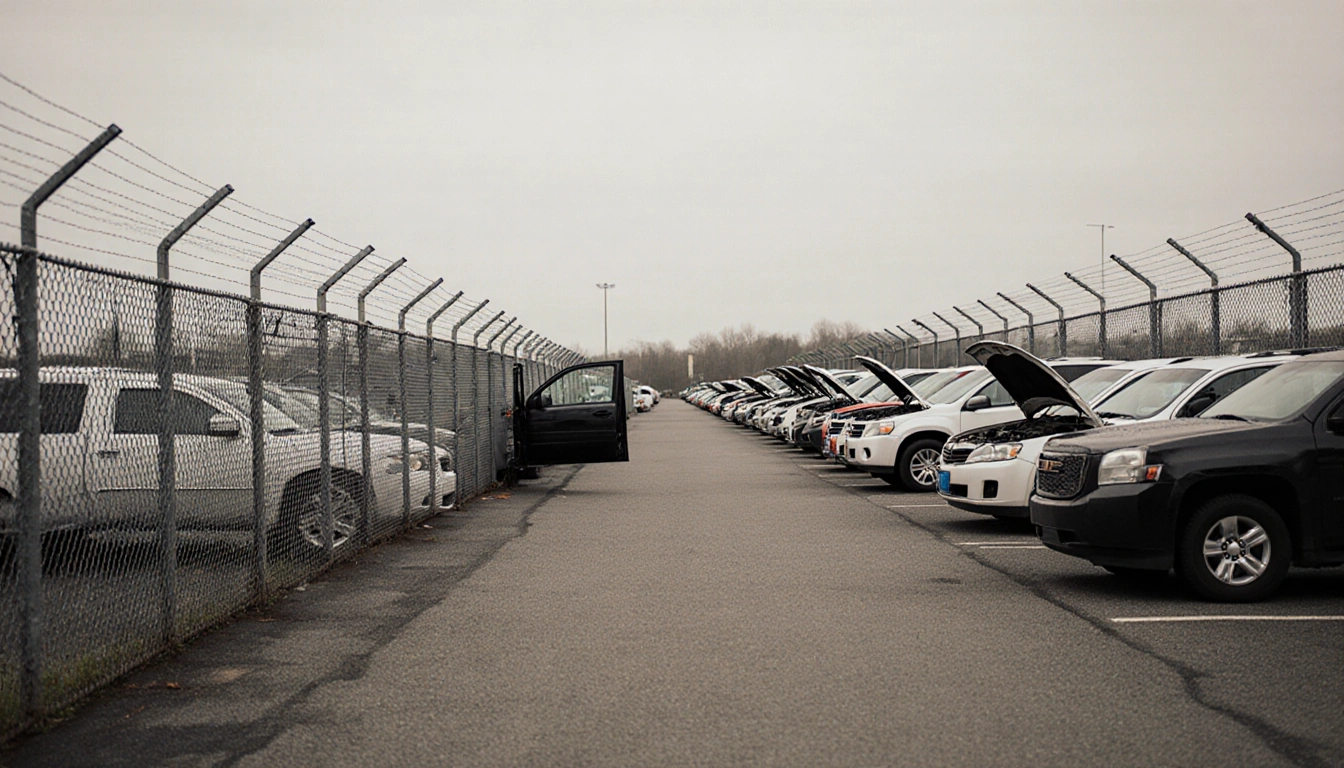
Dozens of vehicles that were lost in the floods sit in a lot north of Austin, off FM 1431 between Cedar Park and Lago Vista. The cars, ranging from sedans to SUVs, are clustered together in a makeshift storage area that the county has designated for this purpose. The sight of these abandoned automobiles, some still covered in mud and water damage, paints a picture of the flood’s impact on individual homeowners.
County’s Vehicle Management
Travis County leaders said the vehicles are being kept there to allow owners to file insurance claims or claim a loss on their vehicles. By keeping the cars in a secure lot, the county provides a tangible way for owners to document their losses before insurance companies assess the damage. If the vehicles go unclaimed after a certain amount of time, the county will dispose of them, ensuring that the lot does not become a permanent storage site.
Financial Recovery Efforts
Travis County reported a few months ago that at least $21 million was dedicated to flood recovery. This allocation reflects the county’s commitment to restoring infrastructure, repairing homes, and supporting businesses that were affected by the deluge. The county also approved a one-time-only tax rate increase, which will go into effect next year, to help pay for flood recovery. This tax adjustment is intended to generate additional revenue without imposing a long-term burden on residents.
Online Resources and Support
The county has an online hub of resources available for those who were impacted by the floods. The hub offers links to grant applications, emergency assistance programs, and repair guidance. The county website also has a FAQ page that answers questions about what to do after a disaster. This FAQ includes practical steps for filing insurance claims, contacting emergency services, and accessing financial aid.
Community Impact
The presence of abandoned vehicles and the ongoing financial measures highlight the broader impact on the community. Residents who lost vehicles are still navigating the legal and logistical hurdles of insurance claims. Meanwhile, the county’s financial commitments demonstrate an effort to mitigate the long-term economic fallout of the floods.
Looking Ahead
As Austin moves forward, the county’s actions underscore a focus on both immediate relief and long-term resilience. The disposal plan for unclaimed vehicles ensures that the lot will eventually clear, making space for future community needs. The dedicated funding and tax increase signal that the county is prepared to address the lingering effects of the flood for months, if not years, to come.
Key Takeaways
- Dozens of abandoned vehicles remain at a county lot north of Austin.
- Travis County is holding the vehicles to aid insurance claim filing.
- At least $21 million has been earmarked for flood recovery.
- A one-time tax rate increase will support ongoing recovery efforts.
- An online hub and FAQ page provide resources for affected residents.
The city of Austin continues to grapple with the aftermath of the Independence Day floods, but county actions are paving the way for a comprehensive recovery.