
Lawyers for Heisman Trophy runner-up Diego Pavia and 26 other football players have turned a headline about an NBA draft pick returning to college into a legal argument, asking a federal judge to allow the athletes to play in 2026 and 2027.
The Legal Battle
The lawsuit, filed in November 2024, challenges an NCAA rule that counts seasons spent at junior colleges against a player’s eligibility for Division I football. Pavia, who plans to enter the NFL draft, won a preliminary injunction weeks later that let him play the 2024 season.
The James Nnaji Story
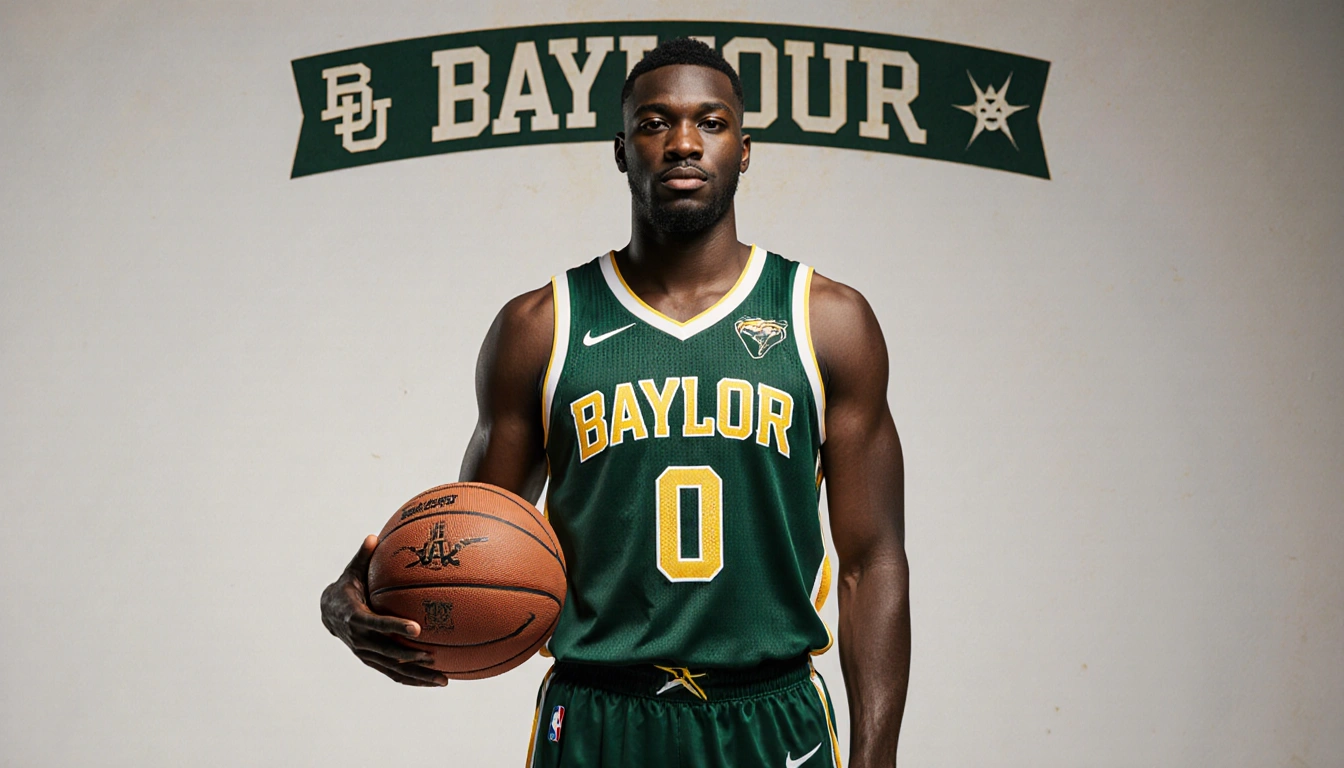
On Wednesday, Baylor announced that 7-foot center James Nnaji had joined the Bears after four seasons playing professionally in Europe. Nnaji was drafted No. 31 overall by the Detroit Pistons, and his rights were later traded to Charlotte and then the New York Knicks.
The Lawyer’s Memorandum
Attorney Ryan Downton seized on Nnaji’s situation in a memorandum filed Friday in a Tennessee federal court. The memo supports his antitrust lawsuit against the NCAA and asks U.S. District Judge William L. Campbell to block the organization from enforcing its eligibility rules.
The Quote
Downton began the memo with a reference to Clement Clarke Moore’s poem “A Visit from St. Nicholas.” He wrote, “When what to my wandering eyes should appear, but … the hypocrisy of the NCAA granting four years of eligibility to a 21-year-old European professional basketball player with four years of professional experience who was drafted by an NBA team two years ago,” the attorney wrote.
NCAA’s Counter Argument
The memo also notes that Nnaji, who played in the NBA Summer League, will be 25 before he runs out of eligibility. Meanwhile, the NCAA argues to this court that high school seniors are harmed if a 22- or 23-year-old former junior college player plays one more year of college football,” according to the filing.
Diego Pavia’s Journey
Pavia’s case began when he started playing at New Mexico Military Institute in 2020. The NCAA did not count that season toward eligibility because of the COVID-19 pandemic. He led the junior college to the 2021 national championship, then played at New Mexico State in 2022 and 2023 before transferring to Vanderbilt for 2024, making this season his sixth in college football but only his fourth at the Division I level.
Eligibility Rules Explained
The lawsuit has since added 26 other plaintiffs, including Tennessee quarterback Joey Aguilar. The NCAA’s rules give athletes five years to play four seasons under an eligibility clock that starts at any “collegiate institution” regardless of whether that school is an NCAA member.
Other Plaintiffs and Cases
Downton is also representing players in another lawsuit over the NCAA’s redshirt rule, with Vanderbilt linebacker Langston Patterson a lead plaintiff. Patterson and four others asked Campbell on Dec. 15 for an injunction to play the 2026 season.
Broader Eligibility Landscape
With several eligibility lawsuits piling up, the NCAA faces growing scrutiny over how it applies its rules to players who have spent time at junior colleges or professional leagues. The outcomes of these cases could reshape the landscape for athletes seeking to extend their college careers.
Key Takeaways
- The lawsuit challenges NCAA eligibility rules that count junior-college seasons.
- The case cites a 21-year-old NBA draft pick’s return to college as a key example.
- Additional plaintiffs, including a Tennessee quarterback, are seeking similar relief for 2026 and 2027 seasons.
The legal battle underscores the tension between collegiate eligibility rules and the evolving careers of athletes who move between junior colleges, professional leagues, and Division I programs.