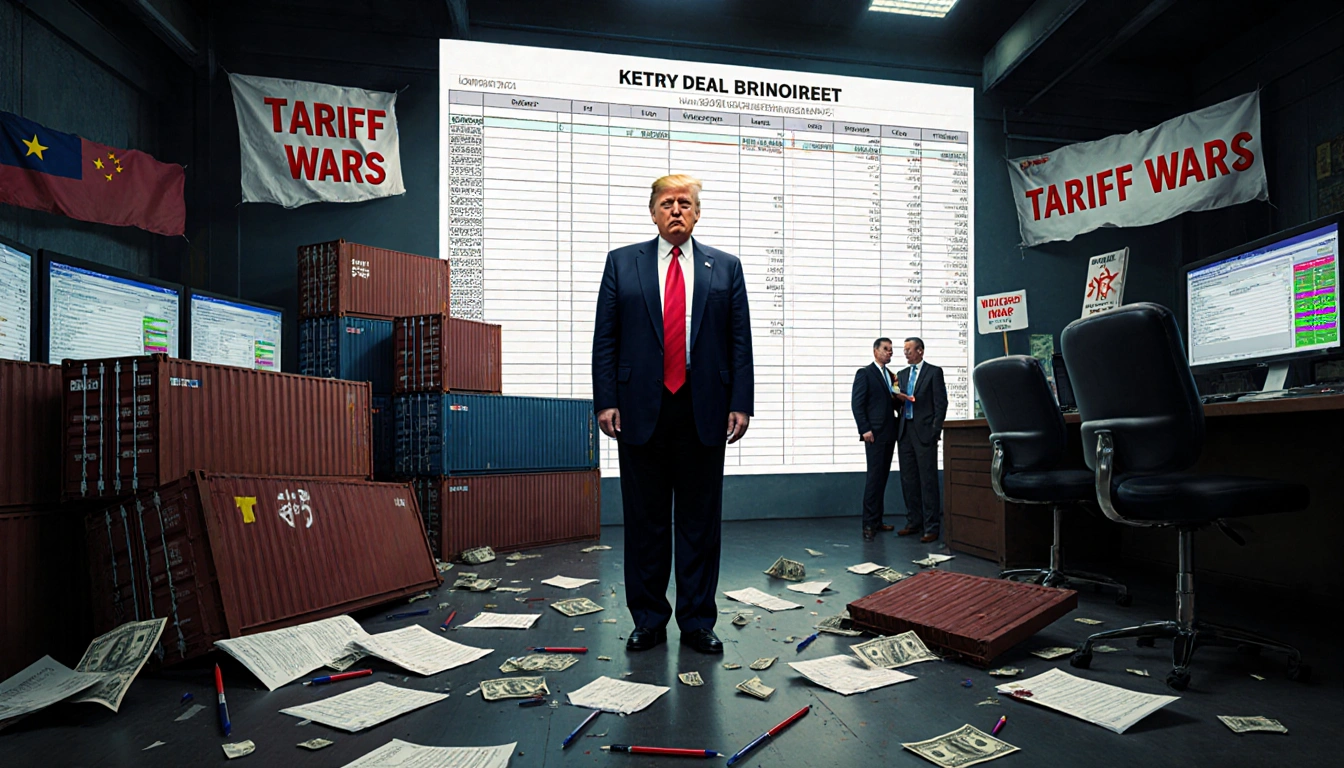
In 2025, President Donald Trump unleashed a relentless wave of tariffs that rattled global trade and sent shockwaves through markets. The administration announced new duties on almost every country, claiming they were necessary to close trade imbalances and reclaim wealth that was “stolen” from the U.S. The moves came in a flurry of threats, retaliations, and sudden reversals, leaving businesses and consumers uncertain while households grappled with higher prices.
January-March: Early Targets and Steel Shock
Trump’s first months focused on Canada, Mexico and China, the United States’ three largest trading partners. Levies were applied and rescinded in quick succession, sparking retaliatory duties from those nations. In the same period, the U.S. raised import taxes on steel and aluminum to 25%, a sharp increase from the 2018 levels that the president had already imposed. These sector-specific hikes were meant to protect domestic producers but also set the stage for broader trade confrontations.
April: Liberation Day and Auto Tariffs
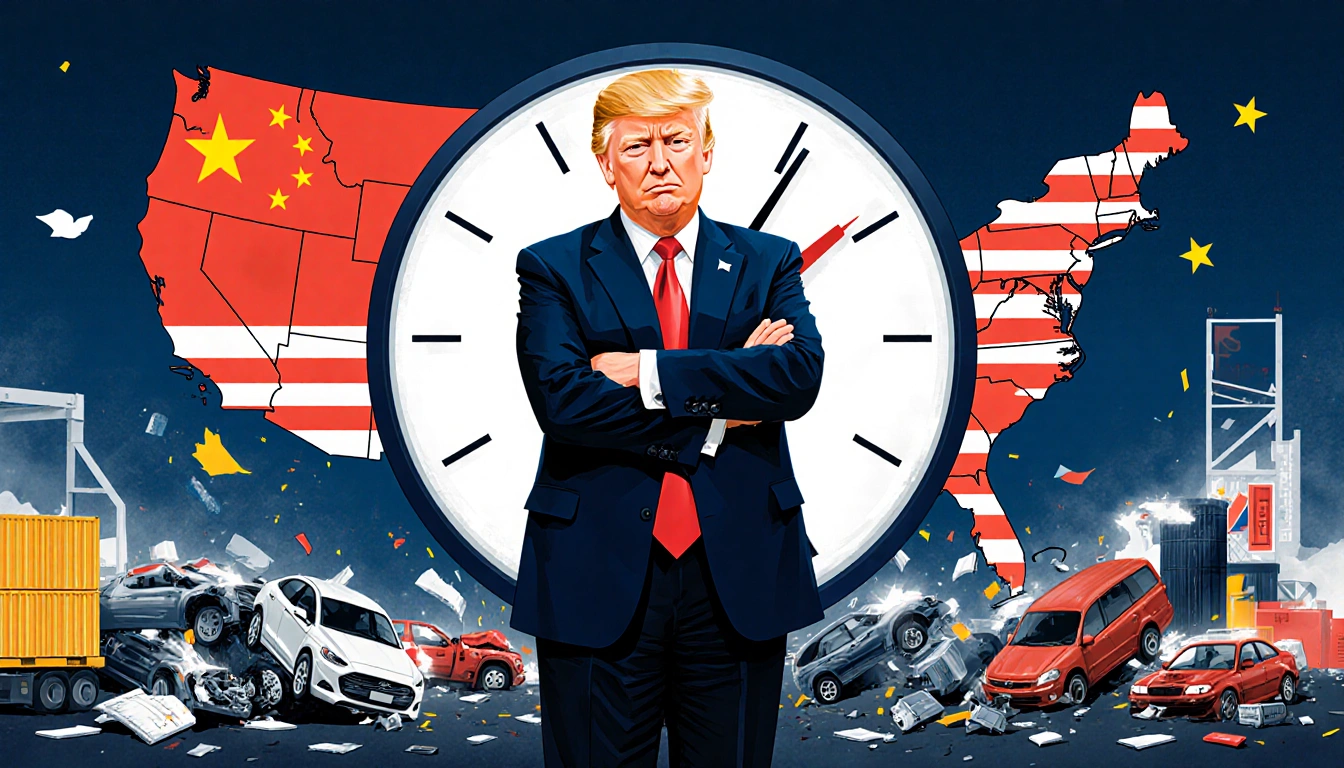
April saw the height of the tariff blitz. Trump unveiled the sweeping “Liberation Day” tariffs on almost every country, a move that caused the stock market to tumble. Hours later, he told investors it was a “great time to buy” before postponing dozens of steeper import taxes, a decision that added to the market’s volatility. China became the sole exception to the global wave; Washington and Beijing exchanged tit-for-tat levies that climbed to 145% and 125% respectively. Meanwhile, a 25% tariff on imported autos was introduced, plunging the automotive industry into uncertainty and prompting further retaliation from trading partners such as Canada.
May-July: Framework Deals and Legal Pushback
During the summer, the administration boasted of trade “framework” agreements with China, the U.K. and Vietnam, while simultaneously threatening dozens of other nations with heightened duties. Trade wars intensified with Brazil and India, and steel and aluminum taxes were doubled to 50%. A federal court intervened, blocking Trump from imposing some of his most sweeping levies under an emergency-powers law. An appeals court temporarily halted that order, allowing tariff collections to continue as the case moved through the courts.
August: Expanded Tariffs, Copper, and Court Rulings
In August, the U.S. applied heightened tariffs on more than 60 countries and the European Union, many of which were delayed but ultimately based on April’s “Liberation Day” rates. Trump separately raised import taxes on Canada to 35%. New 50% levies took effect on goods from Brazil and India, and a 50% rate was imposed on most imported copper worldwide. Low-value imports lost their duty-free status with the termination of the “de minimis” rule. The U.S. extended a trade truce with China, while an appeals court ruled that the president had gone too far in declaring national emergencies to justify tariffs, though it did not strike them down entirely. The case was sent to the Supreme Court.
September-December: Supreme Court and Dividend Promises
The administration brought its tariff fight to the Supreme Court, where oral arguments revealed the justices’ skepticism about the president’s authority to impose sweeping levies. Trump continued to announce new sectoral tariffs; a 25% levy on kitchen cabinets and other furniture entered effect. Other threats were delayed. Amid rising price pressures, the president lowered or scrapped some tariffs, notably for goods such as beef and fruit. He also suggested that Americans would receive a $2,000 dividend from new tariff revenue, though details remained scarce.
Key Takeaways
- Trump’s 2025 tariff campaign targeted Canada, Mexico, China, and later Brazil and India, with rates reaching 145% in some cases.
- Sector-specific duties rose to 50% for steel, aluminum, and copper, while auto tariffs hit 25%.
- Legal challenges halted some levies, but the Supreme Court became the final arena for the administration’s trade strategy.
The year’s tariff saga left the U.S. economy in a state of flux, with markets reacting to sudden policy shifts, businesses adapting to new duties, and consumers feeling the impact of higher prices. The outcome of the Supreme Court case will likely shape the future of U.S. trade policy for years to come.