A new gasoline pricing tier was unveiled in Tehran on Saturday, marking the most significant change to Iran’s fuel‑subsidy system since the 2019 price spike that triggered nationwide protests and a deadly crackdown.
New Pricing Structure
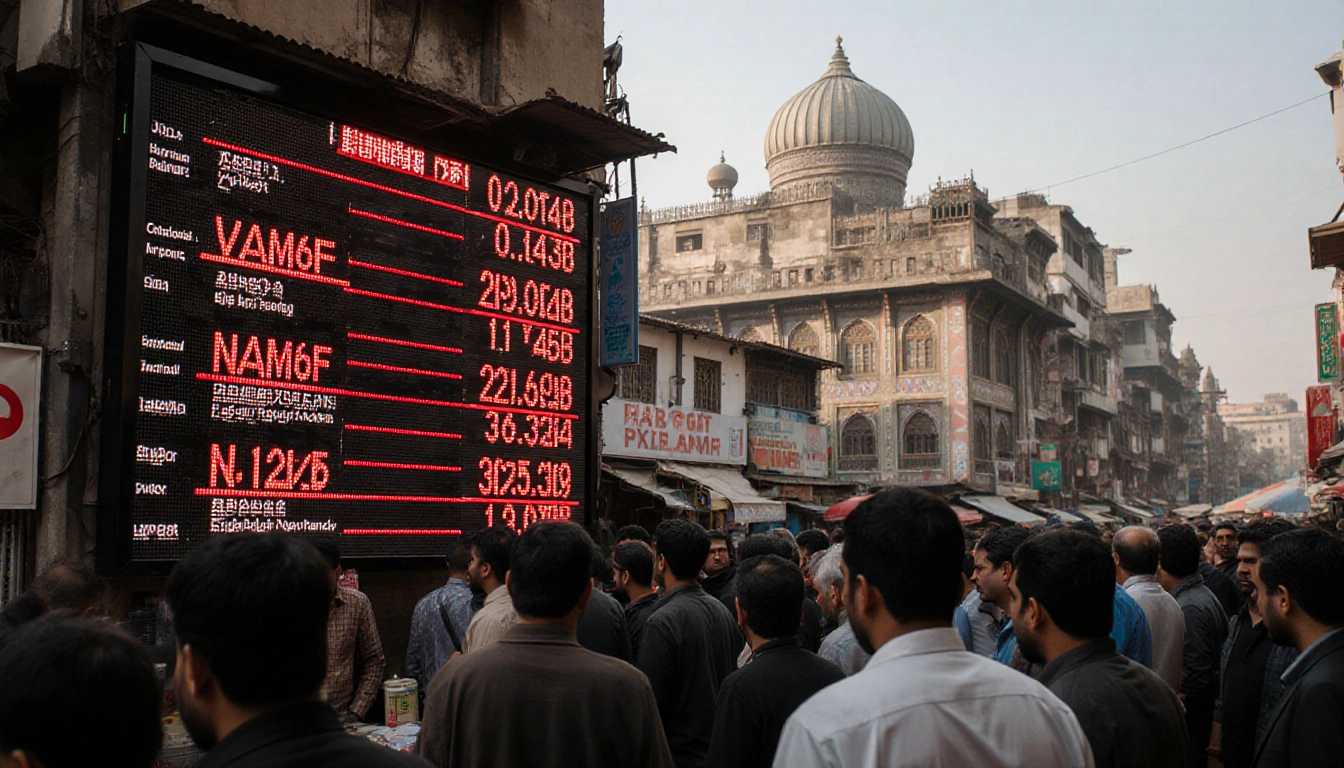
The revised scheme introduces a third level of subsidy. Motorists can still receive 60 liters (15 gallons) each month at the subsidized rate of 15,000 rials per liter, equivalent to 1.25 U.S. cents. The next 100 liters (26 gallons) remain at 30,000 rials a liter, or 2.5 cents. Any purchase beyond that falls under the new rate of 50,000 rials per liter, roughly 4 cents.
Iran had long rationed fuel since 2007, yet demand for the ultracheap gasoline has not eased. Even with the new price, Iranian gasoline remains among the world’s lowest.
Public Reaction and Daily Experience
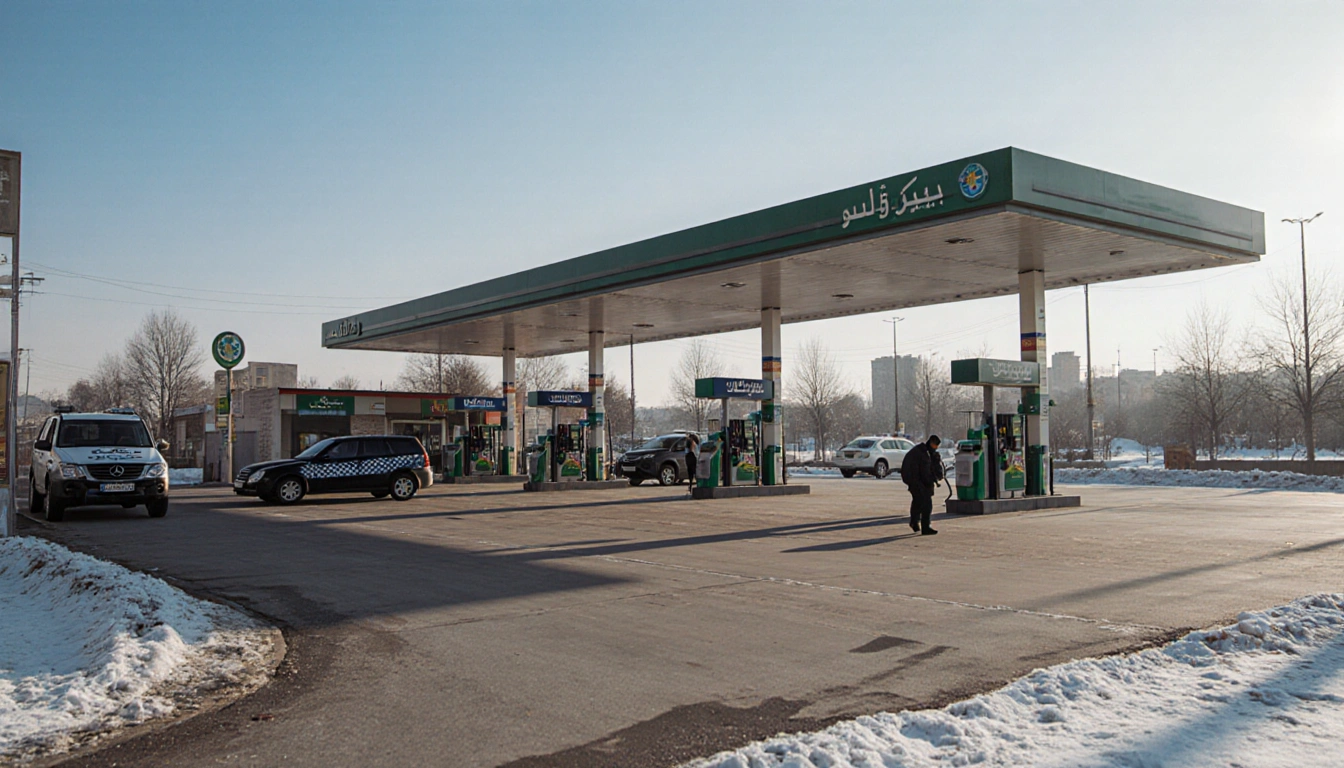
At four gas stations in northern Tehran on Saturday morning, drivers refueled without long lines or visible disruptions. Single police vehicles were stationed nearby at times, but the pumps operated smoothly in clear, cold weather.
Saeed Mohammadi, a teacher who works part‑time as a taxi driver, expressed frustration: “Our discontent has no result,” he fumed. “The government does whatever it likes. They don’t ask people if they agree or not.”
Economic Context and Subsidy Burden
The difference between production costs and pump prices is the subsidy paid by the government. The International Energy Agency ranked Iran as paying the world’s second‑highest energy subsidy costs in 2022, behind only Russia. The IEA estimated Iran’s oil subsidies at $52 billion that year, with Iranian officials acknowledging tens of billions of dollars a year go toward keeping energy prices artificially low.
Economist Hossein Raghfar noted that since 2009, gasoline prices have grown 15‑fold, a trend he sees as a “pessimistic view of the government’s subsidies.” He added that the subsidy has “failed in lessening the budget deficit, but it also trapped the country’s economy in a negative loop of inflation and budget deficit.”
Bank teller Hamid Rezapour said he believed the government had “no choice except to increase the price to manage the country’s economy.” He added, “It needs more money to pay for public needs. To me, it is an indirect tax though in a messy economy it barely works.”
Historical Background and Protest Legacy
The 2019 protests erupted after a sudden 50% jump in subsidized prices and a 300% increase for purchases beyond quota. Security forces cracked down on demonstrations across 100 cities and towns, with some protesters burning down gas stations and banks. The crackdown that followed killed at least 321 people, according to Amnesty International, and thousands were detained.
Critics argue that every 10,000‑rial increase in gasoline prices can lead to as much as a 5% rise in inflation. Iran’s annual inflation rate is around 40%.
The cheap gas market supports a large employment base: there are 25 million vehicles, including 3 million public and government‑affiliated cars and 6 million motorbikes. More than 8 million Iranians work as taxi drivers through online platforms, nearly 10% of the population.
Expert Perspectives and Public Voices
Oil Minister Mohsen Paknejad told journalists that the new tier “is a start for amending the trend of fuel consumption.” Officials suggest Iran may seek steeper price increases in the future, as the government reviews prices every three months.
Taxi driver Mohammad Reza Assadi, 60, expressed skepticism that further protests would bring change. “People have poured into the streets over hikes in the gasoline price in the past, but they returned home tired and hopeless later at dusk,” he said.
Key Takeaways
- Iran’s new pricing tier adds a third subsidy level, with rates of 15,000, 30,000, and 50,000 rials per liter.
- The change is the first major subsidy shift since the 2019 protests that led to 321 deaths.
- The government acknowledges the subsidy burden, with $52 billion in 2022, while inflation remains around 40%.
The introduction of a third gasoline pricing tier reflects Iran’s attempt to balance fiscal pressures with public tolerance. While the move does not fully address the long‑standing subsidy problem, it marks a cautious step toward higher fuel prices after a decade of ultracheap gasoline.
Closing
Iran’s decision to modify its fuel‑subsidy system signals a reluctant acknowledgment of economic realities. The new structure, though modest, may pave the way for future adjustments as the government continues to review prices quarterly. For now, drivers in Tehran can refuel without major disruptions, but the broader economic and social implications of the subsidy remain a pressing concern for the country’s future.