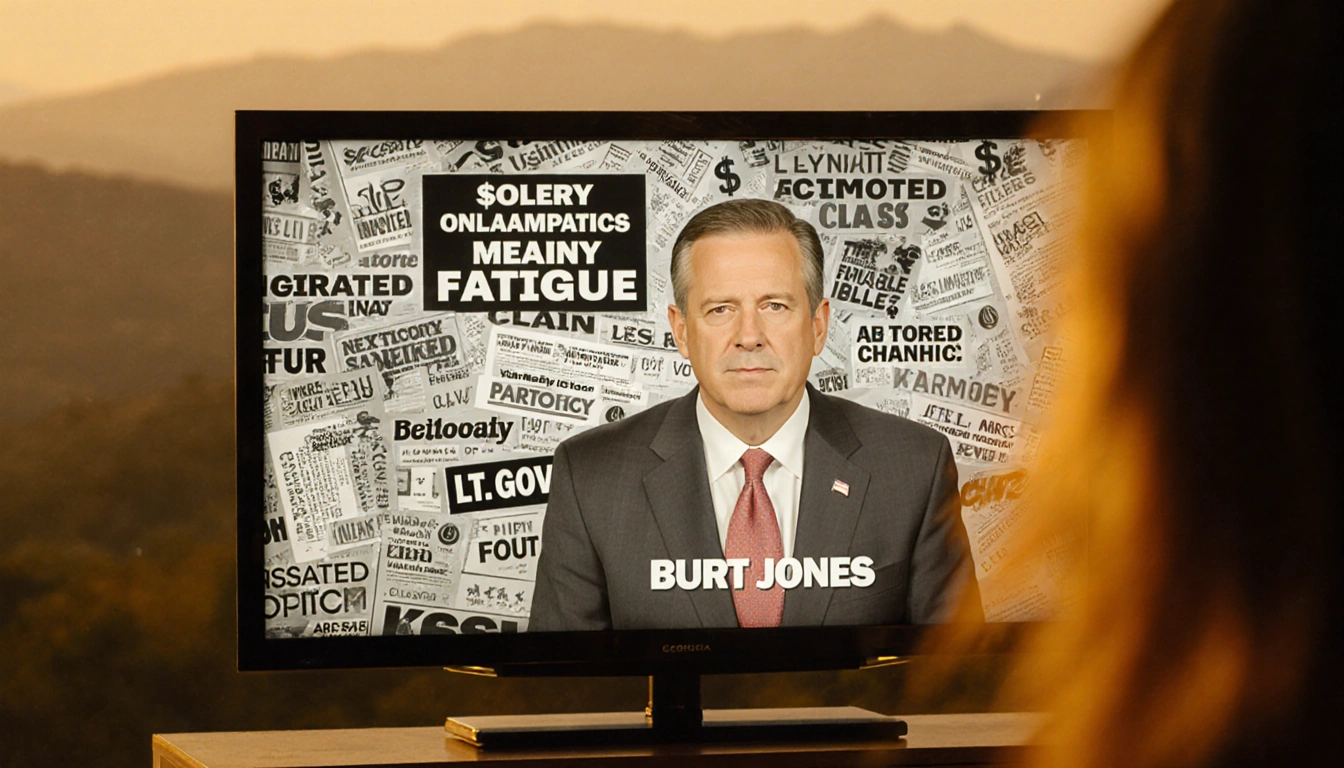
Since Thanksgiving, the airwaves in Georgia have been saturated with a $5 million barrage of ads attacking Lt. Gov. Burt Jones. The campaign, run by an entity called “Georgians for Integrity,” has flooded television, mailers and texts with claims that Jones has used his office to enrich himself.
A $5 Million Attack on Burt Jones
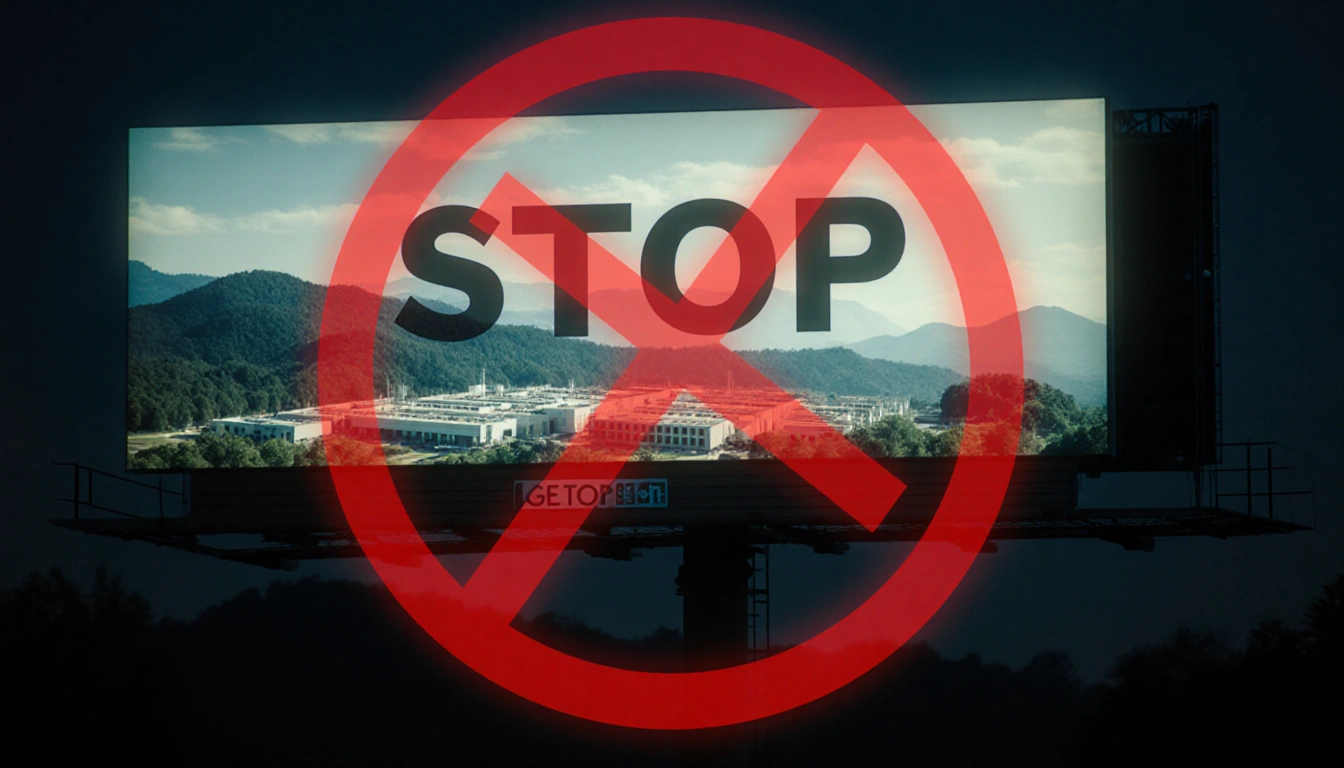
The ads, which have been airing almost nonstop since the holiday, accuse Jones-who already carries President Donald Trump’s endorsement for the 2026 gubernatorial race-of exploiting his position for personal gain. They claim he enabled the state to seize land through eminent domain to help a massive data-center development in his home county, south of Atlanta. Jones’ campaign says the ads are fabricated and slanderous, and a lawyer has called them “demonstrably false”.
Jones himself has taken to the airwaves to denounce the attack. On WSB-AM on Dec. 16, he said, “They want to be anonymous, spend a lot of money, and create a lot of lies about myself and my family,” calling the ads “fabricated trash.” He has threatened legal action against television stations that continue to air the material.
Who Is Behind the Money?
The group that has spent the money, Georgians for Integrity, incorporated in Delaware on Nov. 24. Its paperwork lists itself as a nonprofit social-welfare organization under the federal tax code-a common structure that can shield donors from public disclosure. The organization lists a mailbox at an Atlanta office-supply store as its local address and names a media buyer, Alex Roberts of Park City, Utah, on the same documents. Roberts has not responded to an AP email, and a Columbus, Ohio lawyer, Kimberly Land, also listed on the incorporation papers, has likewise stayed silent.
No one has yet been able to prove who is funding the ads. The Georgia Republican Party has filed a complaint with the State Ethics Commission, arguing that the spending violates the state’s campaign-finance law, which requires committees to register and disclose donors before contributing to an election. The party claims the ads are aimed at influencing the May primary, even though they never name Jones as a candidate for governor or reference the 2026 election.
Legal and Regulatory Pushback
State Republican Party Chairman Josh McKoon told the Associated Press that the ads represent a broader problem: “I think there are far-reaching consequences to allowing this activity to go forward unchecked,” he said. “And the consequences are much broader than the outcome of the May primary.”
Shanna Ports, senior legal counsel for the Washington, D.C.-based Campaign Legal Center, added that the ads illustrate the spread of dark money: “Dark money is becoming more and more the norm in races, up and down the ballot, and at early times.” She noted that the Georgia law allows independent committees to raise and spend unlimited sums, but they must register before accepting contributions and disclose their donors. The Georgia GOP contends that Georgians for Integrity is such a committee.
The law also defines these committees as expending “funds either for the purpose of affecting the outcome of an election for any elected office or to advocate the election or defeat of any particular candidate.” McKoon called the ads “semantic games,” arguing that ordinary voters would see them as designed to influence the election.
“If you are funding a message that is designed to impact an election – and I think it strains credulity to argue that that is not the case here – then you ought to have to comply with the campaign finance laws that the legislature has seen fit to pass,” McKoon said.
The Broader Context of Dark Money
The controversy echoes a pattern seen in many states. In 2017, Jones voted for a law that opened a narrow exception in Georgia’s eminent-domain rules, allowing governments to convey property seized through condemnation to private developers. The ads claim this law helped a $10 billion data-center development that could include 11 million square feet (1 million square meters) of facilities. However, the development is not currently using eminent domain to benefit the project.
Attorney General Chris Carr and Secretary of State Brad Raffensperger-Jones’ top rivals for the Republican nomination-have said they are not involved in the attacks. All three are vying to succeed Gov. Brian Kemp, who is term-limited. Democrats are also competing for the state’s top office.
The case raises questions about how independent spending is regulated. While the Georgia GOP argues that the ads are a legal form of political expression, the ethics complaint suggests that the lack of donor disclosure undermines transparency.
Key Takeaways
- A group called “Georgians for Integrity” has spent roughly $5 million on ads attacking Lt. Gov. Burt Jones.
- Jones, backed by President Trump, has threatened legal action, calling the ads “fabricated trash.”
- The ads are alleged to violate Georgia’s campaign-finance law by failing to register and disclose donors.
The debate over dark money, donor anonymity, and campaign-finance enforcement is heating up as the May primary approaches. Whether the ads will be pulled or the lawsuit will succeed remains to be seen, but the controversy underscores a growing concern about the influence of undisclosed money in state elections.