
A key GOP senator has voiced optimism that a bipartisan agreement could keep the Affordable Care Act’s premium subsidies alive, but the path ahead is fraught with partisan hurdles.
Key Players and Their Stances
Senate Health, Education, Labor and Pensions Committee Chair Bill Cassidy (La.) says, “I actually think there’s the outline of a deal there,” and adds, “The outline of the deal would be to extend the enhanced premium tax credits for a period of time and to put in health savings accounts and give the enrollee the choice of which to take.” He also cautions, “Now that’s high-level because details we’ve got to work out,” but insists, “I do think there’s potential for a deal there.” “I think we can do it,” he told The Hill.
Senate Majority Leader John Thune (R-S.D.) has shifted his position after four House Republicans filed a discharge petition to force a vote on a Democratic proposal that would extend subsidies for three years. “I think a straight-up extension is a waste of money,” Thune said before the recess. “But if there are reforms and both sides sit down and agree on what that looks like and then there’s a transition that gives people the option of putting money into a [health savings account] … then there could be a path forward.” He said a House-passed bill could act as a “vehicle” to carry a compromise, provided Speaker Mike Johnson (R-La.) schedules a vote and President Trump signs it.
Senate Minority Leader Chuck Schumer (D-N.Y.) remains skeptical. He told reporters, “After Jan. 1, the toothpaste is out of the tube. Millions of people will have lost their health care. Many more will have changed their policies and signed policies.” He added, “The bottom line is we always want to work with people who will lower health care costs but if the Republicans want to do something, they have until Jan. 1 to pass the one bill that can get it done – our bill.” Schumer also warned, “This is on the Republicans,” and reiterated, “We insist that the ACA tax credits be renewed and extended, period. If Cassidy’s proposal replaces [the subsidies], it looks like it’s privatizing health insurance and it looks like it’s really problematic and particularly problematic to do very quickly.”
Independent Sen. Angus King (I-Maine) said he is working on a potential deal with Cassidy, though he declined to discuss specifics. Other senators involved include Finance Chair Mike Crapo (R-Idaho), Appropriations Chair Susan Collins (R-Maine) and centrist Democrat Jeanne Shaheen (N.H.). Shaheen noted that “there’s a lot of details that still need to be worked out.” She also said there is a “50-50” chance of reaching a deal next month.
The Proposed Deal: Extensions and Health Savings Accounts
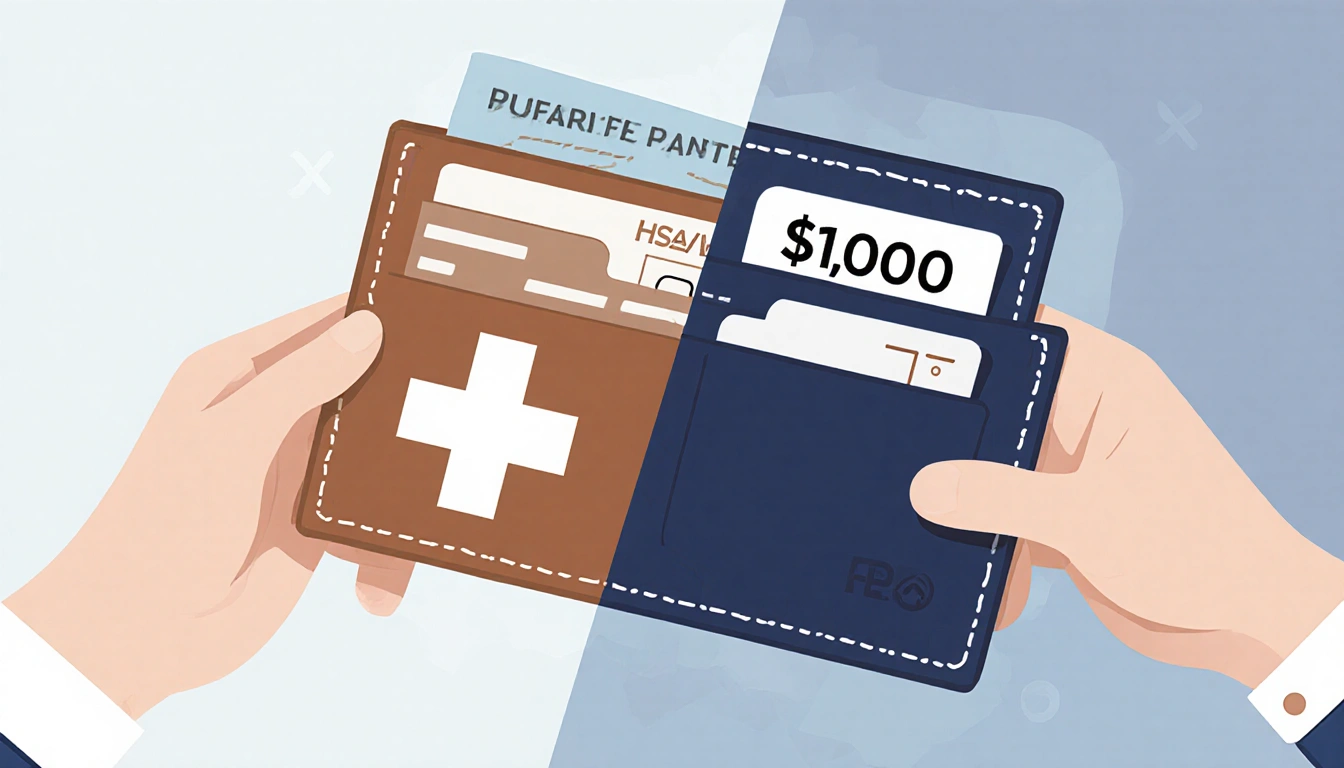
The central idea that has emerged from the negotiations is a blend of a temporary extension of the enhanced premium tax credits and the creation of health savings accounts (HSAs) that would give enrollees a choice. Cassidy framed the plan as a “high-level” outline, stressing that the details still require work. The proposal would allow people to keep the tax-credit boost while also having the option to place money into an HSA for out-of-pocket expenses.
Senator Collins expressed enthusiasm for the bipartisan momentum, saying, “I’m just glad that we have some momentum to enact a bipartisan bill that includes reforms.” She added that she met with colleagues for more than two hours before the Christmas break to draft a bill that would incorporate those conversations, “including reforms as well as a two-year extension” of the subsidies.
Obstacles in the Senate
Without a deal, health insurance premiums are projected to spike by double digits next month. Despite the optimism, several obstacles loom. Thune’s previous opposition to any extension has been described by an anonymous GOP source as a “significant change of position.” The source added that Thune had been “very adamant against that” before the shift. Schumer’s refusal to replace the subsidies with HSAs has been a sticking point. An anonymous Democratic lawmaker said, “Schumer doesn’t want to give Republicans a political escape from rising health insurance premiums,” and that he “would much rather have the issue” rather than a compromise that would phase out the enhanced subsidies.
The timing is also critical. The House’s discharge petition could bring the Democratic proposal to a vote in the lower chamber, but the Senate would still need to act before the January 1 deadline. If a deal is not reached, premiums for people on the ACA marketplace are projected to rise 26 percent, and the House’s plan could force an estimated 2 million to 4 million people to drop their insurance. In addition, the absence of a bipartisan agreement could trigger a government shutdown in February if liberals on Capitol Hill demand concessions on health in exchange for funding the government.
Key Takeaways
- A bipartisan outline exists, combining a temporary extension of enhanced subsidies with health savings accounts, but details remain unsettled.
- Senate leaders John Thune and Chuck Schumer have expressed reservations that could derail the deal, with Thune shifting from a hard line to a potential compromise vehicle.
- Failure to reach an agreement could push premiums up 26 percent, force millions to lose coverage, and set the stage for a February shutdown.
The negotiations are still in motion, and the next month will be decisive. If Republicans and Democrats can bridge their differences, a new bipartisan bill could preserve subsidies and introduce HSAs, offering Americans a choice and potentially stabilizing a market that is on the brink of a sharp cost surge.