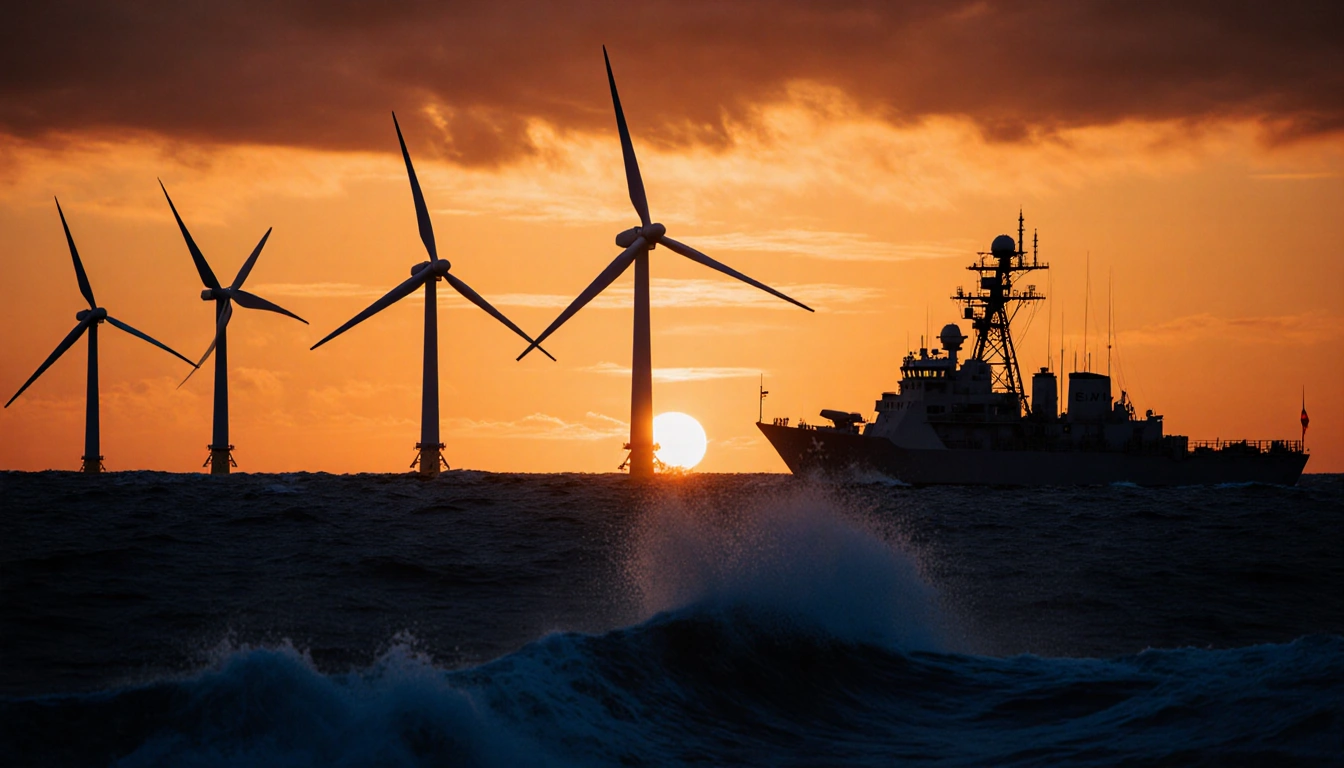
The Trump administration has just paused leases for five major offshore wind farms on the East Coast, citing national security concerns that officials say could affect radar operations.
Pause of Five Offshore Wind Leases
Interior Secretary Doug Burgum announced on X that leases for five offshore wind projects would be halted. He attributed the decision to “national security concerns” identified by the Department of the Army. Burgum’s tweet read: “Due to national security concerns identified by @DeptofWar, @Interior is PAUSING leases for 5 expensive, unreliable, heavily subsidized offshore wind farms!” The decision affects projects that had already secured financing and community support.
Alleged Radar Interference
The tweet did not elaborate on the specific risks, but Fox News reported that the concerns involve potential radar interference. The administration claims that the wind farms’ proximity to key radar sites necessitates a precautionary approach. Radar interference could disrupt military operations and national defense systems. The pause could delay the anticipated energy supply by several years. The administration also emphasizes that the decision protects national security interests. The administration’s officials say the pause is a precautionary measure. The decision follows earlier stop-work orders issued to other offshore wind projects. Stakeholders are calling for a detailed explanation of the radar interference claims.
Administration’s History of Hitting Wind Projects
This pause follows a pattern of actions by the Trump administration aimed at slowing renewable energy, especially offshore wind. The administration has issued stop-work orders to halt construction on several farms. It first tried to halt Empire Wind’s construction but later reversed course after discussions with New York Governor Kathy Hochul. The reversal on Empire Wind followed negotiations that addressed the governor’s concerns about environmental impact. The decision was seen as a compromise to maintain political goodwill. Critics argue that this approach hampers progress toward climate goals. The reversal on Empire Wind was part of a broader strategy to balance energy policy with environmental concerns. The administration’s actions reflect a broader strategy to limit renewable energy growth.
List of Affected Wind Farms

Fox identified the five projects as Vineyard Wind 1, Revolution Wind, Coastal Virginia Offshore Wind, Sunrise Wind, and Empire Wind. Vineyard Wind 1 is located off the coast of Massachusetts. Revolution Wind sits near the Chesapeake Bay, while Coastal Virginia Offshore Wind is closer to Washington, D.C. Sunrise Wind is planned off the coast of New Jersey. Empire Wind is slated to be built off the coast of New York. Together, the projects would generate enough electricity to power up to about 2.5 million homes, according to their project websites. The projects were selected for their proximity to major metropolitan areas. Each project has faced varying degrees of community support and environmental scrutiny.
Energy Generation Potential
The combined output of the five projects would meet the electricity needs of about 2.5 million homes, according to their project websites. The pause could delay the anticipated energy supply by several years. The projects had already secured financing and community support before the pause. The decision is expected to impact investors and local economies. The pause also raises questions about the consistency of federal energy policy. The administration’s actions reflect a broader strategy to limit renewable energy growth. Stakeholders are concerned about the impact on job creation. The pause may affect the projected timeline for delivering clean energy to the grid.
Legal Developments for Revolution Wind
After a stop-work order was issued for the nearly-complete Revolution Wind, a federal judge preliminarily allowed its construction to move forward in September. The judge’s ruling was based on the lack of concrete evidence linking the wind farm to radar interference. The case remains a test of the administration’s authority over federal land use. The legal outcome may influence future stop-work orders. It also highlights the tension between federal authority and renewable energy projects.
Implications of Lease Suspension
Suspending the leases adds another tool for the administration to impede wind-farm construction. The pause could delay project timelines, increase costs, and affect the projected energy output for the region. It also signals a broader shift toward prioritizing security over renewable expansion. Delays could push the projects beyond their original completion dates, affecting investors and local economies. The decision also raises questions about the consistency of federal energy policy. Stakeholders are concerned about the impact on job creation. The pause may affect the projected timeline for delivering clean energy to the grid.
Interior Department’s Silence
The Interior Department has not yet responded to inquiries from The Hill regarding the pause. The lack of an official statement leaves many questions unanswered about the precise security risks cited. The Interior Department’s silence may be due to ongoing internal assessments. Stakeholders are awaiting a formal explanation to clarify the government’s stance. The lack of a response has heightened uncertainty among investors. Officials are monitoring the situation closely for any updates. The pause could delay the anticipated energy supply by several years. The projects had already secured financing and community support.
NOIA’s Opposition to the Pause
The National Ocean Industries Association (NOIA), a trade group that represents both offshore oil and offshore wind, urged the administration to end the pause. NOIA president Erik Milito issued a written statement that said: “Offshore wind improves our national security by shifting economic, infrastructure, and geopolitical advantages to the U.S. through increased shipbuilding, enhancements to our ports, greater energy security to power surging electricity demand, more manufacturing and good-paying jobs, additional business for the oil and gas supply chain, and collaborative opportunities for our military,”. NOIA frames offshore wind as a strategic asset rather than a subsidy. The organization urges policymakers to recognize the long-term benefits of wind energy. Milito added: “In short, offshore wind helps the U.S. achieve its energy dominance goals.” He continued: “We urge the administration [to] end this pause and to resist taking further action that may harm jobs and investment, as well as undermine our economic and geopolitical competition with China,”. NOIA’s statement highlights the economic and geopolitical advantages of offshore wind. The organization calls for a swift reversal of the pause to protect jobs and investment.
Key Takeaways
- Five East Coast offshore wind leases have been paused over national security concerns.
- The pause follows a series of stop-work orders and legal challenges by the administration.
- NOIA argues that offshore wind strengthens U.S. security and economic competitiveness.
- The administration’s actions reflect a broader strategy to limit renewable energy growth.
- The pause could delay the anticipated energy supply by several years.
- The decision is expected to impact investors and local economies.
- The pause may affect local job creation.
- The outcome will shape the future of renewable energy expansion in federal waters.
Conclusion
The administration’s decision to halt leases for Vineyard Wind 1, Revolution Wind, Coastal Virginia Offshore Wind, Sunrise Wind, and Empire Wind marks a significant escalation in its effort to curb offshore wind development. While the stated rationale centers on radar interference and national security, the move has drawn sharp criticism from industry groups that highlight the strategic and economic benefits of offshore wind. As the legal and political battles continue, stakeholders will closely monitor whether the pause is lifted or further restrictions are imposed. The outcome will shape the future of renewable energy expansion in federal waters and the broader U.S. energy landscape. The pause also raises questions about the consistency of federal energy policy and the administration’s approach to national security.