A sudden work stoppage halted 13 games in the ECHL on Friday, as players walked off the ice in a strike that has rattled the league and its 30 teams.
Strike Details
The Professional Hockey Players’ Association (PHPA) announced that it had “commenced job action,” marking the first time the union has taken this step in the league’s history. The action followed months of negotiations that began in January, during which the union and the league have been engaged in collective bargaining over a new collective bargaining agreement. Players cited several unresolved issues that have driven them to strike.
Travel for back-to-back games, a holiday break, guaranteed contracts, health benefits during the offseason and player compensation were all highlighted by the union as key concerns. These factors were presented as fundamental to ensuring that players can work safely and earn a sustainable living while maintaining a high level of performance on the ice.
Executive director Brian Ramsay explained the union’s position, saying, “Our members are simply seeking reasonable improvements that allow them to work safely and earn a sustainable living while continuing to perform at a high level.” He added that the union had repeatedly attempted to meet and engage in bargaining, but the league had continued to communicate directly with players in a manner that bypassed the union’s role as the exclusive bargaining representative.
League Response
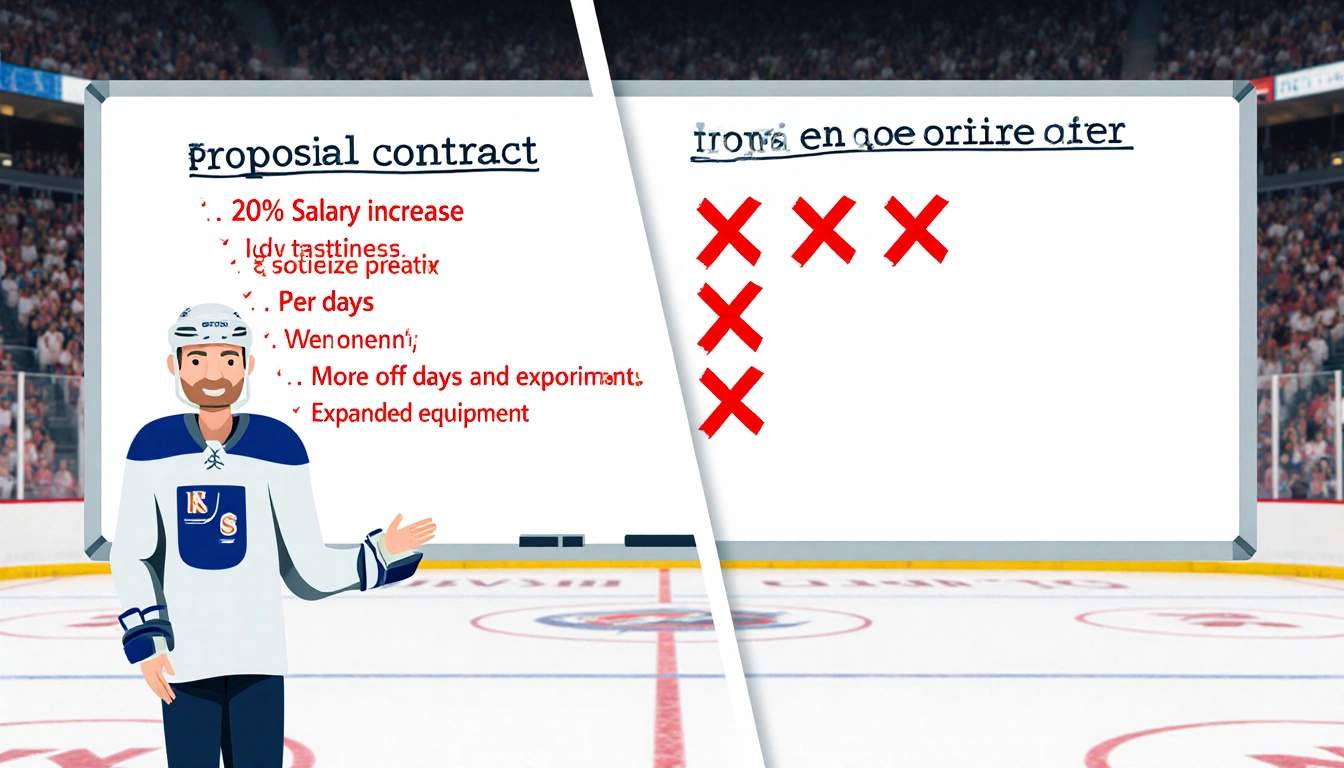
In response to the strike, the ECHL issued a statement that criticized the union’s leadership for depriving players of the opportunity to vote on the league’s last, best, and final offer. The league said it would raise player salaries by 20% in the first year of a new agreement, increase per diems, guarantee more off days, and expand the equipment made available to players.
The league’s latest offer also included a salary cap increase of 19.8%, up from the 16.4% increase that was posted on its website the previous Monday. The ECHL emphasized that it had done everything possible to avoid the strike and that it hoped the union leadership would drop its unworkable scheduling demands, allow players to vote on the offer, and make it possible for players to return to work.
“The ECHL made clear to union leadership that this was the best offer and that any future offers likely will need to account for losses in revenue attributable to missed games from a player strike,” the league said in a statement. It added that while it did not receive a formal response, it had heard from certain players that they would not be reporting for their scheduled games.
Negotiation History
Members of the PHPA voted last week to authorize its negotiating committee to call for a strike, a move that has escalated the dispute. The union has been engaged in collective bargaining with the league since January, and this is the first time the union has invoked its strike authority in the ECHL. The league and the union have been at odds over the same set of issues, with the union seeking more robust guarantees and the league offering incremental improvements.
The union’s statement that the league’s offer was “unworkable scheduling demands” reflects a broader disagreement over how games are scheduled, particularly during holiday periods and back-to-back travel. The league’s insistence on direct communication with players has been a point of contention, as the union views it as a bypass of its exclusive bargaining role.
Impact on Teams
The ECHL is a North American development minor hockey league that sits two tiers below the NHL. It comprises 30 teams, 29 of which are located in the United States and one in Canada, based in Trois-Rivières, Quebec. The strike’s impact on the league’s schedule means that the 13 games that were postponed on Friday will be rescheduled, potentially affecting revenue for the teams involved.
The league’s statement about potential revenue losses underscores the financial stakes of the dispute. Each missed game not only affects ticket sales but also has a ripple effect on sponsorships, broadcasting agreements, and local economic activity surrounding game days.
Key Takeaways
- The PHPA has commenced a strike, halting 13 ECHL games on Friday.
- The league offered a 20% salary increase, higher per diems, more off days, and expanded equipment.
- The salary cap increase in the latest offer was 19.8%, up from 16.4% in the earlier proposal.
The strike highlights a deepening divide between the ECHL and its players over contract terms, health benefits, and scheduling. As negotiations continue, the league and union will need to find a compromise that addresses both the financial realities of a minor league and the welfare of its athletes. The outcome of this dispute will shape the future of player representation and league operations for the ECHL and its 30 member teams.