At a Glance
- Atmospheric rivers are delivering heavy rain, damaging winds, and mountain snow across California, Oregon, and Washington.
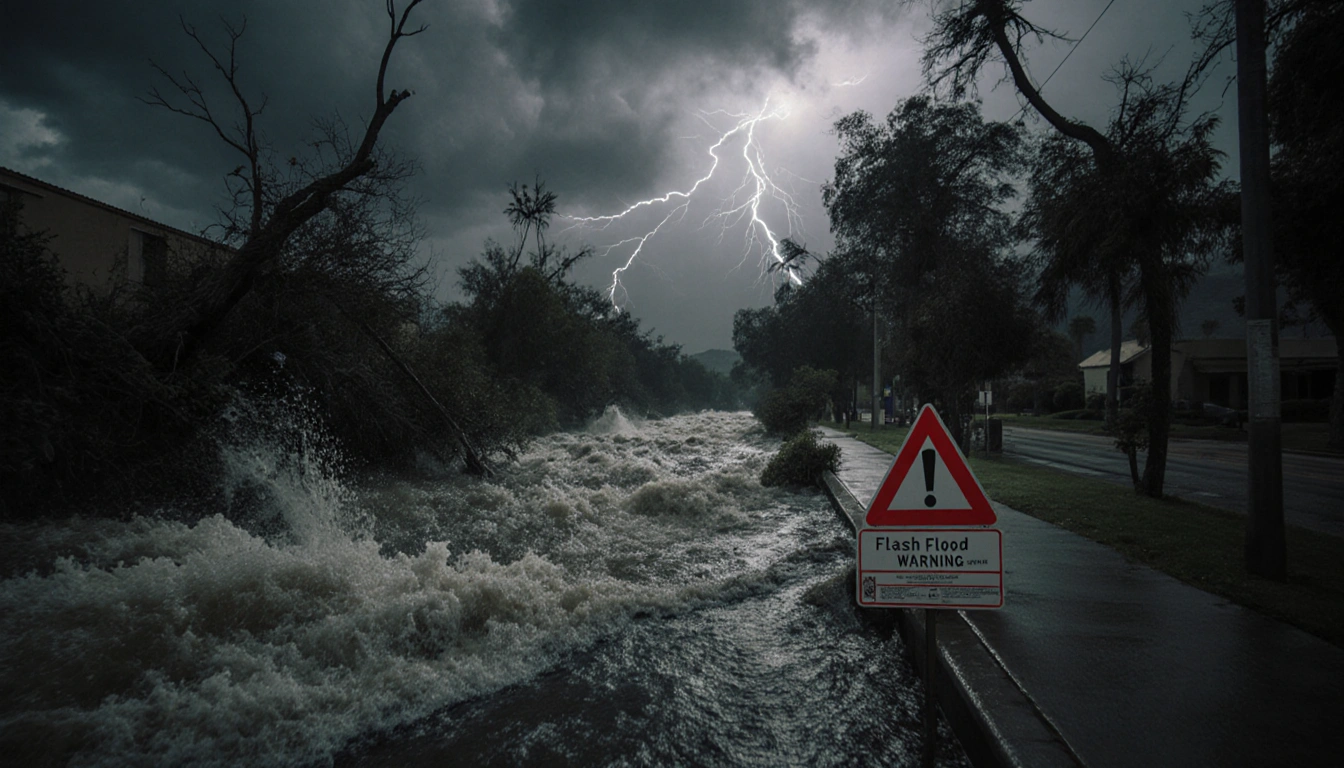
- Los Angeles faces a “high” 4/4 flood threat through Wednesday night into Thursday, with a Flash Flood Warning in place.
- Additional rain is forecast through Friday, raising risks of mudslides, rising creeks, and debris flow in burn scars.
- Why it matters: The storms threaten holiday travel plans, water infrastructure, and public safety along the West Coast.
AUSTIN (News Of Austin) – Rounds of heavy rain, damaging winds and feet of mountain snow continue to derail holiday travel plans for the West Coast as atmospheric rivers slam states such as California, Oregon and Washington.
Atmospheric Rivers: A Deluge Across the West Coast
Atmospheric rivers are large, narrow bands of moisture that can carry the equivalent of a major river’s water flow across the ocean. In the past week, these conveyor belts have slammed into California, Oregon, and Washington, flooding roads and disrupting daily life. The resulting weather has left travelers scrambling to adjust their holiday plans.
Heavy rain, damaging winds, and feet of mountain snow are the hallmark of these storms. The rainfall is intense, with several inches of additional rain expected through Thursday in many areas. The winds have reached gale force, further complicating travel and safety.
Holiday travel plans are being derailed as flights are delayed or canceled and highways are closed. Families looking for a weekend getaway find their routes blocked by swollen rivers and washed-out roads. The disruptions are felt across the entire West Coast.
Atmospheric rivers can travel for hundreds to thousands of miles, carrying moisture from tropical regions to the Pacific Northwest. Their path is unpredictable, often shifting quickly to bring sudden, extreme precipitation. This unpredictability makes forecasting a challenge for meteorologists.
Infrastructure is under strain as bridges and culverts are tested by the volume of water. Utility lines risk damage from debris and flooding. Local governments are mobilizing crews to address road closures and emergency services.
The National Weather Service is monitoring the situation closely, issuing alerts as conditions evolve. Residents are urged to keep up with the latest forecasts and heed any warnings issued. The weather service also advises staying indoors during the peak of the storm.
The storms also pose a threat to communities that were recently affected by wildfires. Burn scars are especially vulnerable to debris flow and mudslides. The risk is compounded by the heavy rainfall that follows the fire season.
As the atmospheric rivers continue, the West Coast must remain vigilant. Weather updates are changing rapidly, and the next few days could bring additional rainfall or wind damage. Travelers and residents alike should prepare for continued uncertainty.
- States impacted: California, Oregon, Washington
- Primary impacts: heavy rain, damaging winds, mountain snow
- Travel disruptions: flight delays, road closures, holiday plan derailment
Flood Threat in Southern California
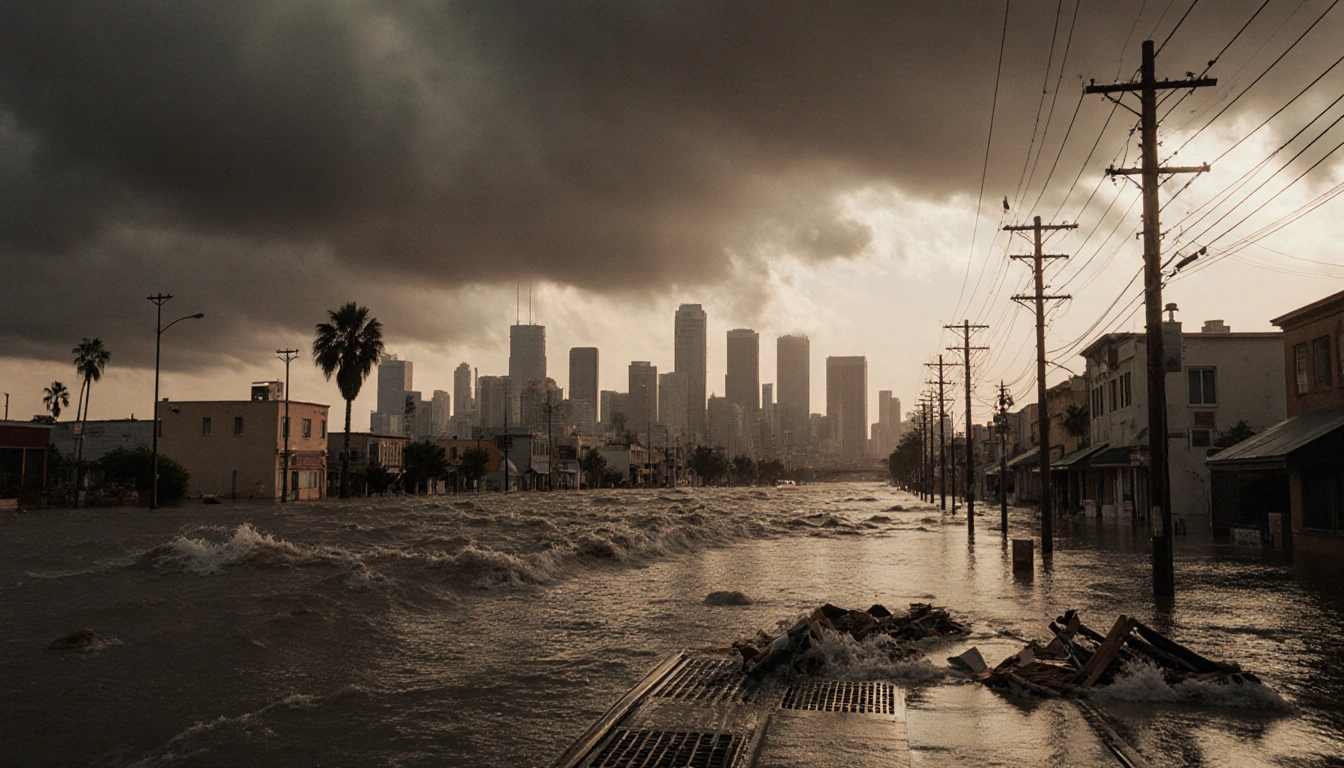
Los Angeles, including areas once affected by deadly wildfires, is under a “high” level 4/4 flood threat through the remainder of the night, from Wednesday into Thursday. The city and several other counties are under a Flash Flood Warning, issued by the National Weather Service on Wednesday afternoon. This high threat level signals that flooding is likely to occur across the region.
Several inches of additional rain is expected through Thursday, creating the possibility of mudslides, rises in creeks and rivers, and debris flow in burn scars. The additional precipitation could overwhelm drainage systems and trigger landslides in steep terrain. Residents in high-risk areas are advised to stay alert.
The Flash Flood Warning was issued by the National Weather Service, which monitors rainfall, runoff, and river levels. A 4/4 flood threat is the highest level, indicating that flooding is imminent or already occurring. The warning is a call to action for residents and businesses.
The impact on infrastructure is significant, with roads, bridges, and utilities at risk of damage from flooding and debris. Emergency services are on standby to respond to any incidents. The warning also highlights the need for evacuation plans in the most vulnerable communities.
Additional rain chances are forecast through Friday in parts of the West Coast. It’s important to stay up to date with forecast changes if you live in the area and have a way to receive severe weather alerts. The weather can shift quickly, so continuous monitoring is essential.
The National Weather Service also recommends that people secure loose outdoor items to prevent wind damage. They advise staying away from flooded areas and following official evacuation orders if issued. The goal is to reduce injuries and property loss.
The high flood threat in Los Angeles is part of a broader pattern of severe weather affecting the entire West Coast. The combination of atmospheric rivers, high winds, and snow makes the region particularly vulnerable. Authorities are coordinating to mitigate the risks.
Residents should keep emergency kits ready and have a plan for moving to higher ground if needed. The ongoing storm system may bring additional rainfall, so preparations should not be relaxed. The community’s safety depends on staying informed and responsive.
- Risks: mudslides, rising creeks and rivers, debris flow in burn scars
- Warning level: 4/4 flood threat
- Action: stay alert, heed alerts, secure outdoor items
| Date | Event |
|---|---|
| Wednesday afternoon | Flash Flood Warning issued by National Weather Service |
| Wednesday night into Thursday | Los Angeles under high 4/4 flood threat |
| Thursday | Several inches of additional rain expected |
| Friday | Rainfall forecast continues in parts of West Coast |
Key Takeaways
- Atmospheric rivers are causing widespread flooding and travel disruptions across the West Coast.
- Los Angeles faces a high 4/4 flood threat with a Flash Flood Warning in place.
- Residents should stay updated, heed warnings, and prepare for mudslides and debris flow.
The ongoing storms highlight the need for vigilance and preparedness as weather conditions continue to evolve across the West Coast.