At a Glance
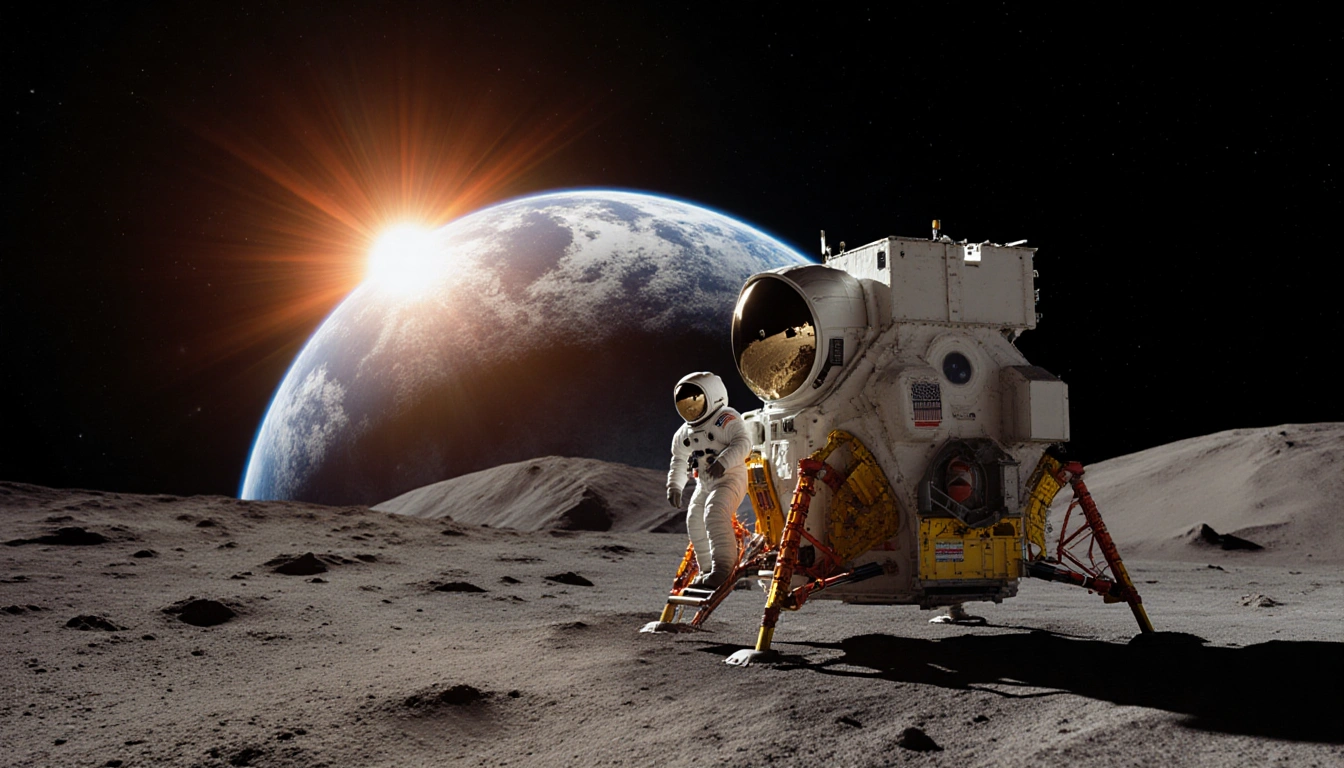
- 2026 will feature the first crewed Moon mission in over 50 years.
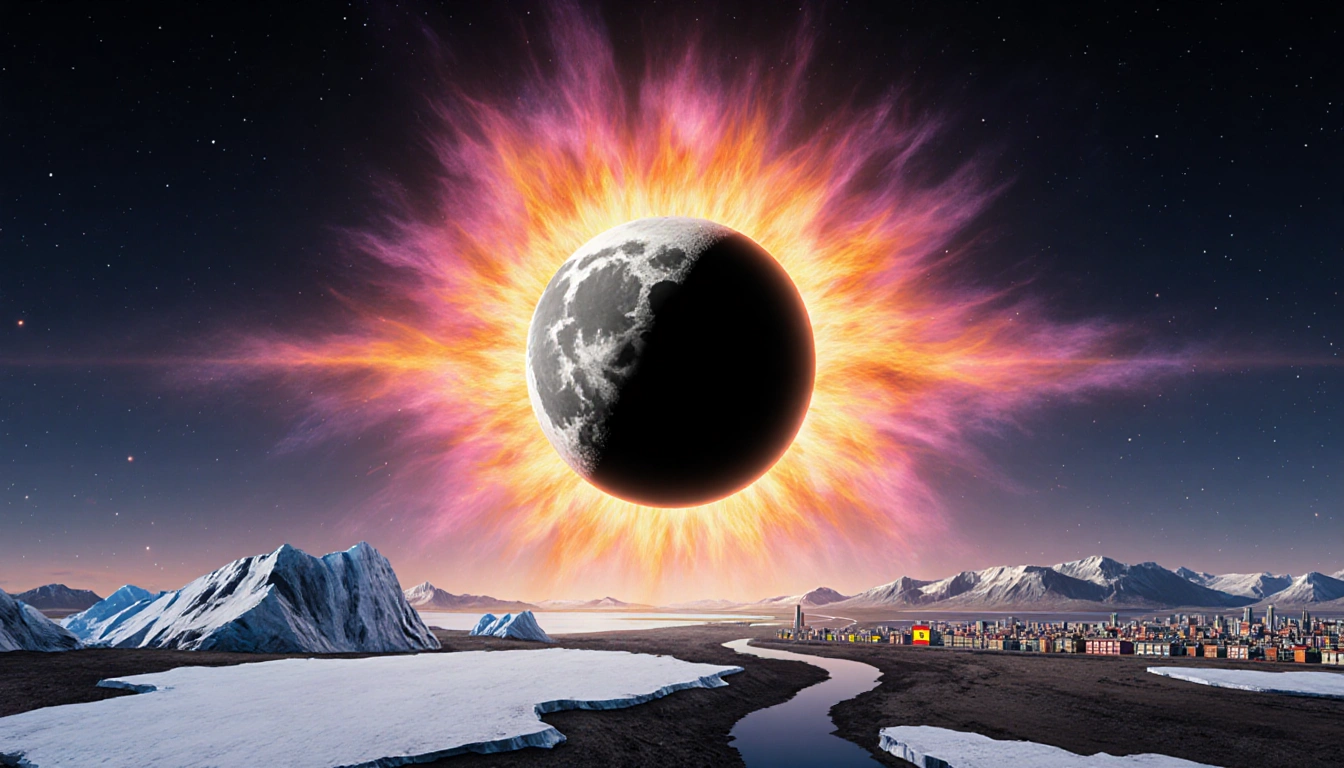
- A ring-of-fire eclipse will strike Antarctica on February 17, and a total solar eclipse will sweep the Arctic on August 12.
- The interstellar comet 3I/Atlas will fade after its close pass in December.
- Why it matters: These events offer rare opportunities for scientific discovery, spectacular sky-watching, and a glimpse of objects from beyond our solar system.
Astronomers and space enthusiasts have a packed calendar for 2026, with historic lunar landings, dramatic eclipses, and a fading interstellar visitor all set to light up the sky.
Moon Missions
NASA’s Artemis commander Reid Wiseman announced that his crew will be the first to explore large swaths of the lunar far side that Apollo never saw. Their 10-day flight will launch early in the year, loop behind the Moon, and return to Earth without a moonwalk.
- Blue Moon – Amazon’s prototype lander, 26 ft (8 m) tall, will launch on a Blue Origin rocket.
- Astrobotic Technology – targeting a 2026 landing with scientific payloads.
- Intuitive Machines – also aiming for a 2026 lunar landing.
- Firefly Aerospace – plans a far-side landing in 2026.
- China – sending a rover and a hopper to the south-polar region.
Solar and Lunar Eclipses
2026 will open with a ring-of-fire eclipse over Antarctica on February 17, visible only from a few research stations. Two weeks later a total lunar eclipse will occur, followed by a partial lunar eclipse at the end of August. The year’s highlight is a total solar eclipse that begins in the Arctic on August 12, crossing Greenland, Iceland, and Spain for 2 min 18 s of totality.
- February 17 – ring-of-fire eclipse over Antarctica.
- February 27 – total lunar eclipse.
- August 8 – partial lunar eclipse.
- August 12 – total solar eclipse, 2 min 18 s.
Planetary Parade and Supermoons
Around February 28, six of the eight planets will appear in a sky-watcher’s dream, with a nearly full moon nearby. Mercury, Venus, Jupiter, and Saturn will be visible after sunset, while Uranus and Neptune require binoculars. Mars will not be seen until August.
| Date | Event | Notes |
|---|---|---|
| Jan 3 | Supermoon + meteor shower | Moonlight may hide fireballs |
| Nov 24 | Second supermoon | |
| Dec 23-24 | Christmas Eve supermoon | Closest, 221,668 mi from Earth |
Interstellar Comet and Space Weather
Comet 3I/Atlas, the third known interstellar visitor, was last visible with backyard telescopes after its December flyby. It is fading daily as it departs the solar system.
NASA’s Paul Chodas said:
> I can’t believe it’s taken this long to find three.
NASA’s Paul Chodas added:
> The chance of catching another interstellar visitor will increase.
Rob Steenburgh wrote:
> 2026 will be an exciting year for space weather enthusiasts, with new spacecraft and others helping scientists better understand our nearest star and forecast its impacts.
Key Takeaways
- 2026 will see the first crewed Moon mission since the 1970s.
- A ring-of-fire eclipse and a total solar eclipse will light up polar skies.
- The fading interstellar comet 3I/Atlas will vanish from view after December.
In 2026, the cosmos delivers historic lunar exploration, dramatic eclipses, and a final glimpse of an interstellar traveler, offering science and sky-watchers a year to remember.