At a Glance
- Russia launched three Iranian satellites on Sunday from Vostochny, the second launch since July.
- The heaviest, Paya, weighs 150 kg-the largest Iran has ever sent into orbit.
- The satellites provide up to 3-meter resolution images for water, agriculture and environmental monitoring.
- Why it matters: The launch underscores Russia-Iran ties amid escalating regional tensions and highlights Iran’s growing space capabilities.
On Sunday, a Russian rocket carried three Iranian communications satellites into a 500-kilometer orbit from the Vostochny launchpad in eastern Russia, according to News Of Austin. This mission marks the second such launch for Iran since July and showcases the deepening partnership between the two countries.
Russia Sends Iran’s Satellites into Orbit
The launch, reported by Iranian state television, placed the satellites-Paya, Kowsar, and Zafar-2-into a circular 500-km orbit. Paya, at 150 kg, is the heaviest satellite Iran has ever deployed, while Kowsar weighs 35 kg; the weight of Zafar-2 was not disclosed.
The satellites feature up to 3-meter resolution images, useful for managing water resources, agriculture and the environment, and are designed to operate for up to five years.
Technical Specs and Strategic Context
Iran’s satellites are launched on Russian rockets as part of a long-standing cooperation that dates back to the 2023 expiration of U.N. sanctions on Iran’s ballistic missile program. In July, a similar launch carried the communications satellite Nahid-2.
| Satellite | Weight | Resolution | Lifespan |
|---|---|---|---|
| Paya | 150 kg | 3 m | 5 yr |
| Kowsar | 35 kg | 3 m | 5 yr |
| Zafar-2 | – | 3 m | 5 yr |
Russia signed a strategic partnership treaty with Iran in January and has condemned the Israeli and U.S. strikes that killed nearly 1,100 Iranians during a 12-day air war in June. Iran’s retaliatory missile attacks killed 28 people in Israel.
Key Takeaways
- Russia launched Iran’s heaviest satellite, Paya, into orbit.
- The 500-km mission demonstrates strong Russia-Iran cooperation amid regional conflict.
- The satellites provide high-resolution imagery for environmental and agricultural monitoring.
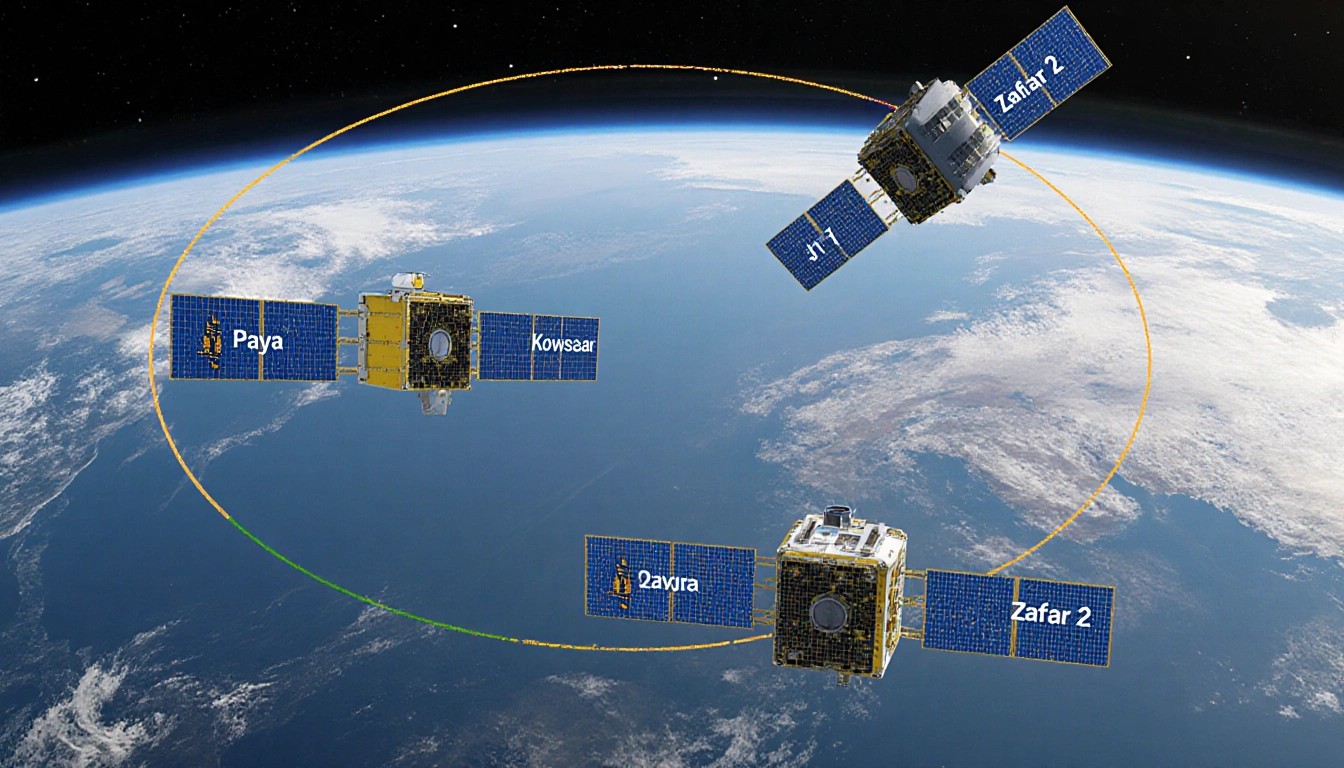
The launch reinforces Iran’s expanding space program and signals a continued partnership with Russia, even as international scrutiny over Iran’s missile and space activities remains high.