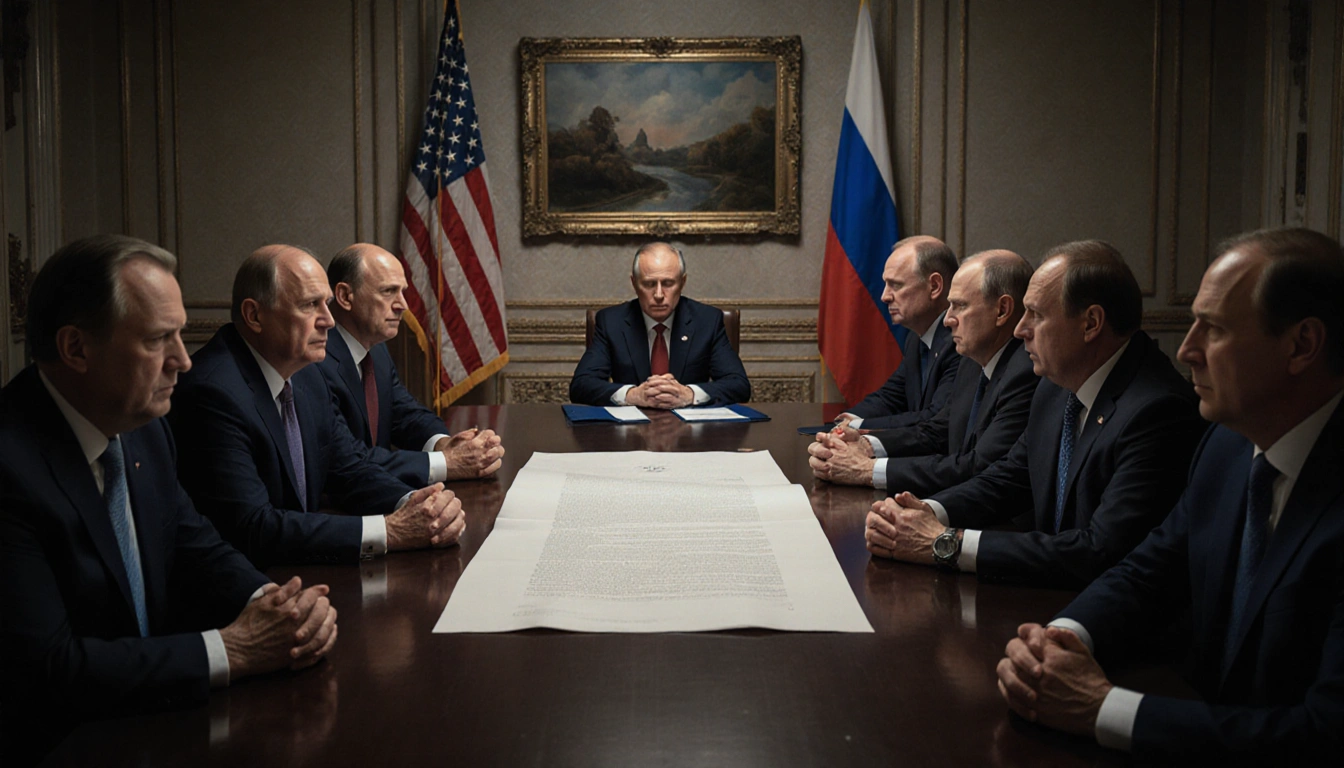
In the weeks leading up to a high‑stakes EU summit, Europe faces a new reality: the United States, its long‑time ally, is redefining its role in the continent’s security, economy and political cohesion.
A Freeze on Russian Assets Sets the Stage
Last week the EU imposed an indefinite freeze on Russian assets across Europe. The decision, made amid the ongoing war in Ukraine, signals a hardening stance that will be tested at Thursday’s summit. Ukraine, already in dire financial straits, has pledged to meet Kyiv’s economic and military needs for the next two years, likely through a new reparations loan.
Danish Urgency and the Call for Unity
Danish Foreign Minister Lars Løkke Rasmussen, whose country holds the EU’s rotating presidency, warned that “it’s crunch time for Europe and Ukraine.” He urged a decisive move to secure the Ukrainian economy and to send a clear signal to the world, including Washington, that Europe remains a strong geopolitical player.
Trump’s Back‑and‑Forth and European Response
Since January, President Donald Trump has oscillated between supporting Kyiv and backing Russia, while increasingly criticizing Europe. The U.S. administration’s rhetoric now carries a sharper edge, prompting European leaders to step up military aid for Ukraine. Yet they acknowledge that the United States remains an irreplaceable partner.
German Chancellor Friedrich Merz echoed this sentiment, saying, “we are really witnessing a watershed moment now and nothing is the way it was before.” He added that Europe must become more independent in security policy.
Vance, the National Security Strategy, and EU Criticism
Vice President J.D. Vance met a far‑right German leader, claiming free speech was retreating in Europe and sparking allegations of election interference. Vance’s themes were later reflected in the U.S. National Security Strategy, which attacked EU migration policy and suggested Europe faces “the prospect of civilizational erasure.”
Judy Dempsey of the Carnegie Europe think tank said, “Europe has no choice but to respond.” She added that the U.S. administration’s poor regard for Europe cannot be ignored.
Trade Tensions and the 28‑Point Plan
In April, on so‑called Liberation Day, Trump announced sweeping tariffs worldwide to protect national security, accusing allies—including NATO members—of looting the United States. By July, the U.S. and EU had agreed on a trade framework that set a 15% tariff on most goods, averting higher duties.
A month earlier, a 28‑point plan drafted with Russia aimed to end the war. The plan included Kremlin demands, promises of Russian business opportunities, and a call to rehabilitate Putin on the world stage. Ukraine and its European backers found it largely unacceptable.
Defense Spending and NATO Commitments
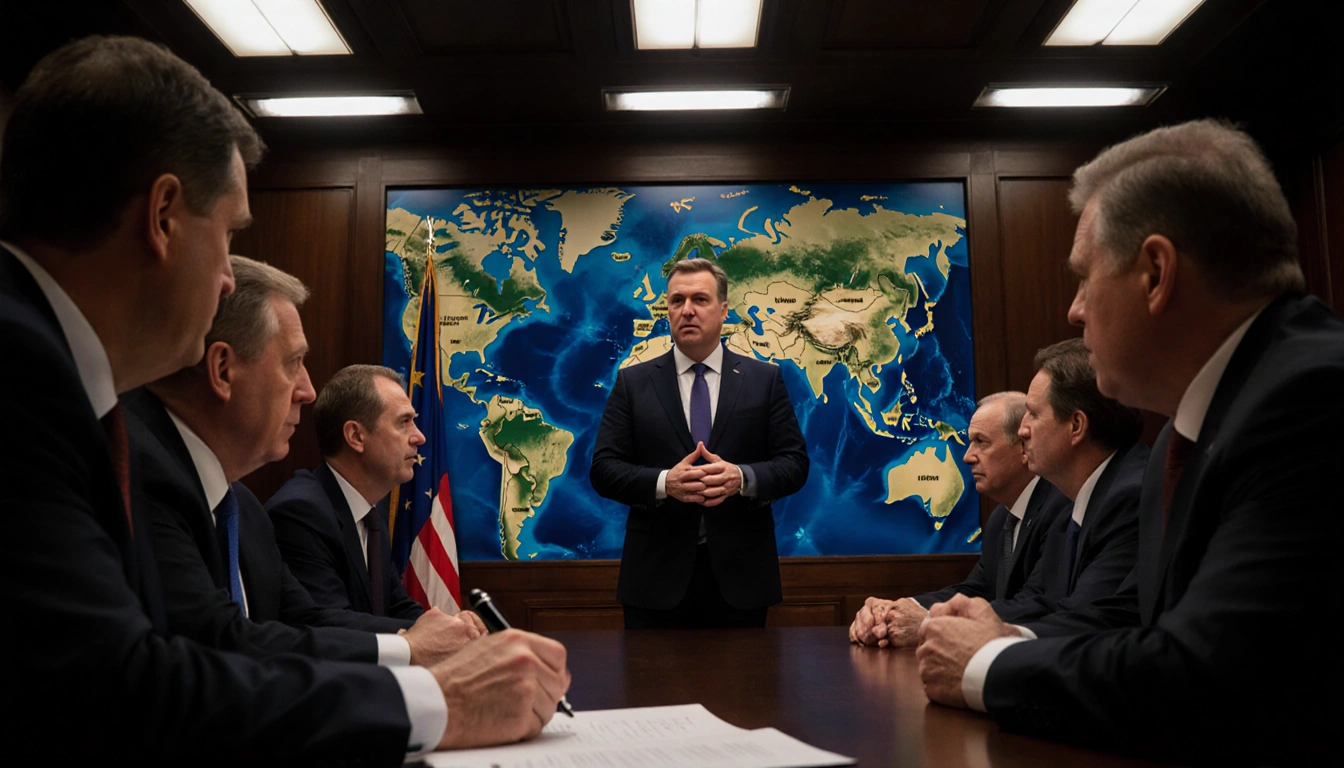
Despite the trade rift, Europeans at NATO agreed to Trump’s demand that they invest 5% of GDP on defense. Whether many will meet the 2035 deadline remains unclear, as they have struggled to reach the old 2% target.
The EU has since lifted its defense spending brakes, aiming to be capable of defending against outside attack by 2030. Officials warn that Putin could order an attack elsewhere in Europe within three to five years if Russia defeats Ukraine.
Intelligence Warnings
Blaise Metreweli, the new head of the U.K. MI6 spy agency, warned that Putin’s “export of chaos” is likely to continue until he “is forced to change his calculus.” Air Chief Marshal Richard Knighton, head of the British Armed Forces, said the Russian leader’s aim is “to challenge, limit, divide and ultimately destroy NATO.”
The Summit’s Focus and Stakes
Thursday’s EU summit, chaired by Council President António Costa, will focus on funding Ukraine’s economy and military effort over the next two years. Costa has threatened to keep leaders at EU headquarters for days until an agreement is reached.
Key Takeaways
- The EU summit follows an indefinite freeze on Russian assets and a pledge to support Ukraine for two years.
- Trump’s fluctuating stance and criticism of Europe have prompted a push for greater European security independence.
- Trade tensions led to a 15% tariff framework, while a 28‑point plan with Russia was rejected by Ukraine and its allies.
The summit will decide how Europe moves forward amid shifting U.S. policies, ongoing war pressures, and the need for stronger defense and economic cohesion.