At a Glance
- Oszkár Nagyapáti and volunteers are flooding a 2½-hectare field with thermal spa water to counter desertification in Hungary’s Great Plain.
- The project taps overflow from a local thermal spa, aiming to raise groundwater and create a micro-climate.
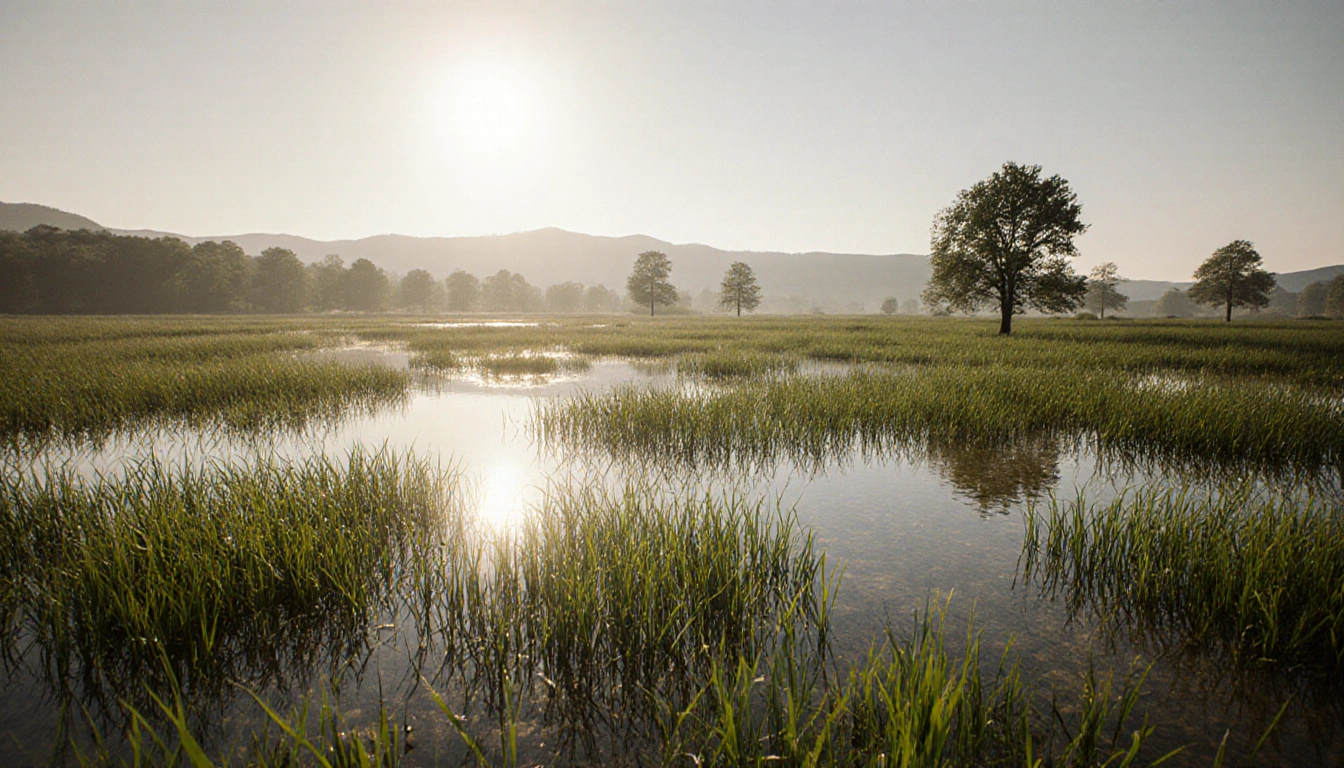
- After months of flooding, a shallow marsh covers the area, giving hope that vegetation and groundwater will recover.
- Why it matters: It shows a grassroots solution to the region’s accelerating drought, offering a model that could inspire similar actions elsewhere.
In Hungary’s Great Hungarian Plain, a region once lush with crops is turning into a desert-like landscape. Farmer Oszkár Nagyapáti has led a volunteer effort to flood a low-lying field with thermal spa water, hoping to reverse the drought.
Desertification in Hungary’s Great Plain
The Homokhátság region has been described as semiarid, a rarity in Central Europe. A 2017 European Countryside paper linked its aridification to climate change, improper land use, and poor environmental management.
Oszkár Nagyapáti said:
> “It’s much worse, and it’s getting worse year after year,” he said as cloudy liquid slowly seeped into the hole.
> “Where did so much water go? It’s unbelievable.”
- 2½-hectare (6-acre) field targeted for flooding
- Thermal spa water drawn from deep underground
- Goal: raise groundwater and create a micro-climate
The Water Guardians’ Plan
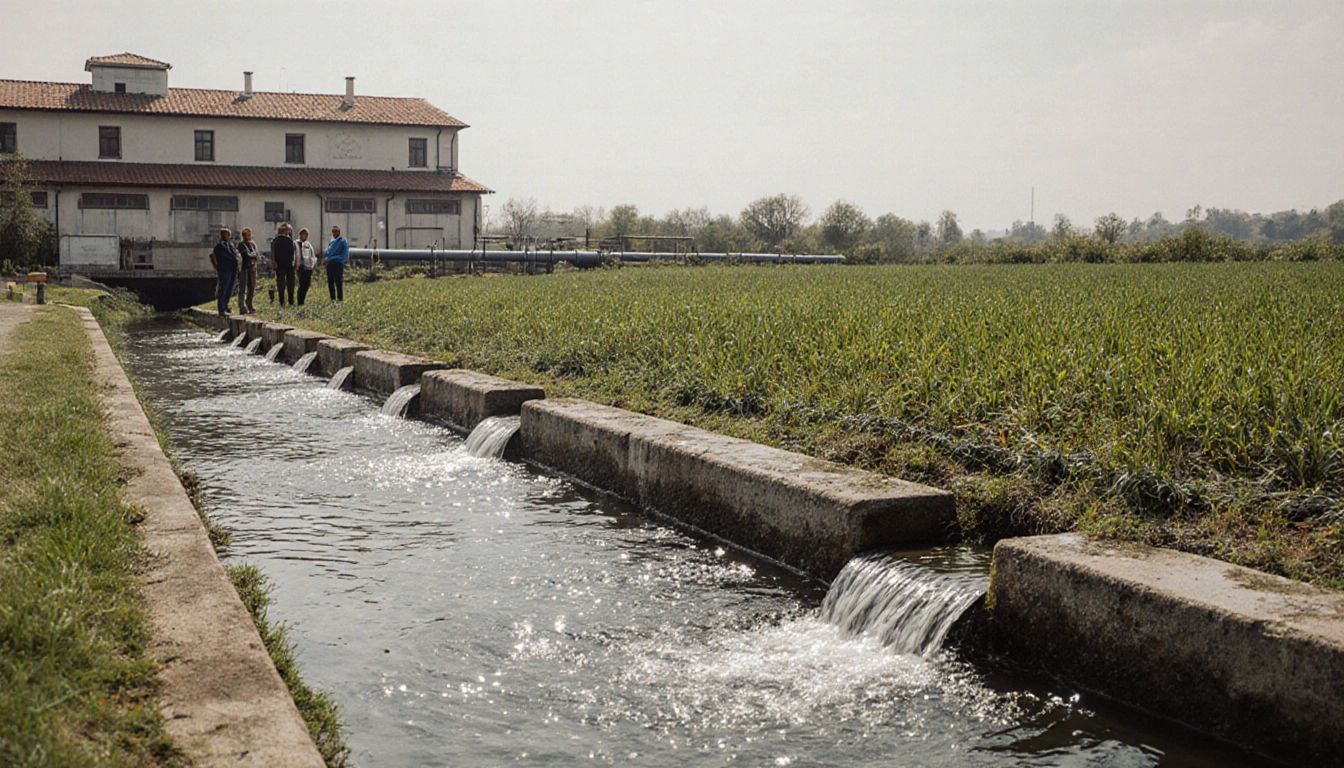
Nagyapáti and his group negotiated with authorities and a local thermal spa to redirect the spa’s overflow water, which would otherwise pour into a canal. By blocking sluices along the canal, the repurposed water slowly gathers in the field, mimicking natural flooding that had been cut off by river channeling.
Oszkár Nagyapáti told News Of Austin:
> “I was thinking about what could be done, how could we bring the water back or somehow create water in the landscape,” Nagyapáti told News Of Austin. “There was a point when I felt that enough is enough. We really have to put an end to this. And that’s where we started our project to flood some areas to keep the water in the plain.”
Oszkár Nagyapáti said:
> “When the flooding is complete and the water recedes, there will be 2½ hectares of water surface in this area,” Nagyapáti said. “This will be quite a shocking sight in our dry region.”
- Redirect spa overflow water
- Cool and purify before use
- Flood the low-lying field, then allow water to recede
Tamás Tóth said:
> “The atmosphere continues to warm up, and with it the distribution of precipitation, both seasonal and annual, has become very hectic, and is expected to become even more hectic in the future.”
Early Results and Future Goals
After a couple of months, the field was nearly filled, forming a shallow marsh that Nagyapáti says brings “immense happiness” to the area. He expects the added water to have a huge impact within a roughly 4-kilometer (2½-mile) radius, benefiting vegetation, soil water balance, and groundwater levels.
Oszkár Nagyapáti said:
> “The shallow marsh that had formed may seem very small to look at it, but it brings us immense happiness here in the desert.”
Oszkár Nagyapáti said:
> “The added water will have a huge impact within a roughly 4-kilometer (2½-mile) radius, not only on the vegetation, but also on the water balance of the soil. We hope that the groundwater level will also rise.”
Oszkár Nagyapáti said:
> “This initiative can serve as an example for everyone, we need more and more efforts like this,” Nagyapáti said. “We retained water from the spa, but retaining any kind of water, whether in a village or a town, is a tremendous opportunity for water replenishment.”
| Date | Event |
|---|---|
| 2017 | European Countryside paper cites climate change, land use, and management as causes of Homokhátság aridification. |
| 2024 | Eötvös Loránd University study shows dry air layers block rain from storm fronts. |
| 2024 | Water guardians redirect thermal spa overflow to flood a 2.5-ha field. |
| Dec 2024 | Field nearly filled; shallow marsh forms; Nagyapáti reports positive impacts. |
Key Takeaways
- Flooding a 2½-hectare field with thermal water can raise groundwater and create a micro-climate.
- The project has already produced a shallow marsh that supports local vegetation.
- The initiative may inspire similar grassroots efforts to combat drought elsewhere.
The volunteer effort demonstrates that even in a rapidly desertifying region, creative use of existing resources can bring tangible ecological benefits.