At a Glance
- The national average for regular gas is $2.83, the lowest in over four years.
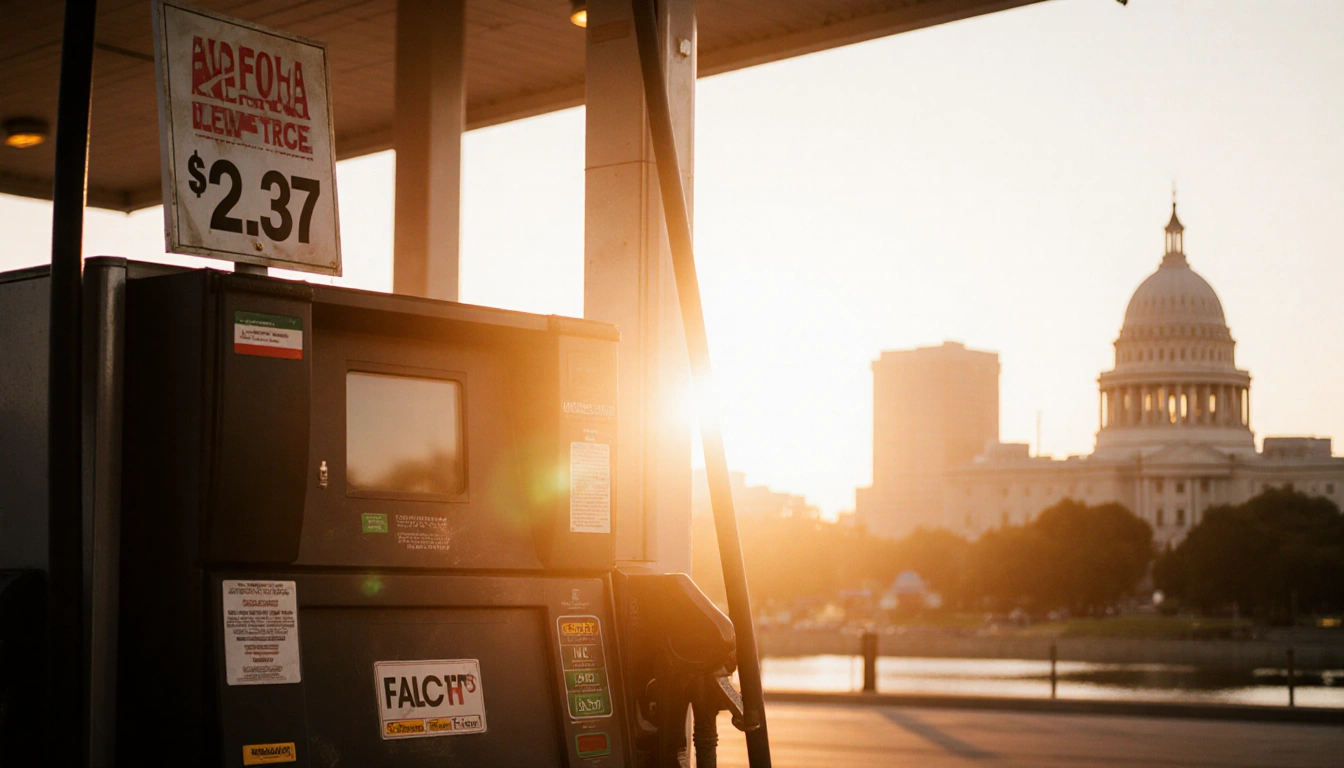
- Austin averages $2.37 per gallon, the cheapest in the state.
- Low demand from EVs, work-from-home, and a weak economy are the main drivers.
- Why it matters: Consumers save on fuel, but Texas producers and state revenue feel the hit.
The latest data shows gas prices at a historic low, sparking questions about the future of the oil and gas market in Texas and beyond.
What’s Behind the Price Drop
Professor Michael Webber explained that two factors are pulling prices down:
- Demand is lower because of electric vehicles, work-from-home policies, and a struggling economy.
- Oil supply is high, so with less demand the price of gasoline falls.
> Professor Michael Webber said:
>
> “There are two reasons why gasoline prices are so low. One is that the demand is lower overall because of electric vehicles, because of work-from-home policies, and because of a struggling economy overall. All of that lowers demand for gasoline, which means prices will be lower. There’s so much oil being produced right now. So if you have a lot of oil that’s available, which is what we get gasoline from, and the demand is lower, that means the prices will be lower.”
Global and Local Influences
Professor Michael Webber added that oil is a globally traded commodity and that international events can affect U.S. prices:
> Professor Michael Webber said:
>
> “Oil is a globally traded commodity, and so it’s affected by what’s happening around the world, whether countries are at war, whether countries are at peace, whether OPEC is making decisions to produce more oil, for example. That will affect gasoline prices here because that oil goes into refineries and gasoline comes out. So if global events are affecting global oil prices, that will also eventually affect gasoline prices here at home. We produce a lot of oil in Texas, so we’re not completely exposed to all the global events, but we’re still connected.”
| Region | Price per Gallon |
|---|---|
| National Average | $2.83 |
| Austin, TX | $2.37 |
Future Outlook
Professor Michael Webber warned that low prices could reverse when production slows:

- Drilling rigs in Texas are down about 20% for oil this year.
- If production cuts continue, oil supply will shrink and prices should rise.
- He expects higher prices around 2026, though the exact timing is uncertain.
> Professor Michael Webber said:
>
> “In the oil and gas industry, there’s a saying that there’s no cure for low prices quite like low prices, and there’s no cure for high prices quite like high prices. What happens with low prices is that eventually demand will pick up because it makes it cheaper to use gasoline, or we will shut in some oil production because a lot of producers can’t make money if the price of oil is too cheap. If you look at the drilling rig counts, drilling is way down in Texas. It’s down about 20% for oil in Texas just this year. If you quit drilling, eventually you’ll lower production. If you lower production, you have less oil. If you have less oil, prices should go back up. And if oil prices go back up, gasoline prices should go back up as well. So I expect higher prices in 2026, but it’s really hard to predict these things.”
Impact on Texas Economy
Professor Michael Webber described the mixed effects on consumers and producers:
- Consumers with fleets or commuters benefit from lower fuel costs.
- Producers face lower revenue and may cut drilling.
- Texas earns more tax revenue when oil prices are high, supporting public services.
> Professor Michael Webber said:
>
> “It’s a mixed bag because a lot of us are consumers. If you consume gasoline for a fleet of cars or trucks for your business, or for commuting, this is good news because you’ll spend less money and that can be economically advantageous. But for producers, it can’t sell gasoline for as much, and low oil prices mean less production, less drilling, and other economic consequences. Texas is more exposed because as a state, we benefit when prices are higher. When prices are high, there’s more production, more jobs, and more economic activity. It also means more tax payments to the state. Texas makes a lot of money from oil and gas, both directly and indirectly. That revenue supports schools, parks, libraries, county governments, and courthouses.”
Key Disruptors Ahead
Professor Michael Webber highlighted two future trends that could keep prices low:
- Continued growth in electric vehicle adoption.
- Persistent flexible work arrangements that reduce commuting.
> Professor Michael Webber said:
>
> “Looking ahead to 2026, one big question is electric vehicles. They have grown in popularity, and as more people buy EVs, gasoline consumption goes down. Another factor is work flexibility. If people continue to work from home one or two days a week, that also reduces gasoline demand. If we see more return to office policies or fewer electric vehicles, gasoline consumption could rise. If flexible work and EV adoption continue, consumption will stay lower.”
Key Takeaways
- Gas prices hit a four-year low, with national average at $2.83 and Austin at $2.37.
- Demand shifts from EVs, remote work, and a weak economy are driving the drop.
- Texas producers may see higher prices around 2026 as drilling slows, but the exact timing is uncertain.
The low fuel costs offer short-term relief for drivers, but the long-term impact on Texas’s oil industry and state finances remains uncertain.