At a Glance
- A preamp turns weak signals into line-level power for speakers.
- Integrated amps hide the preamp inside, while separate pre/power setups can reduce noise.
- Turntables require a dedicated phono stage to reach line level.
- Why it matters: Knowing whether you need a preamp can sharpen sound quality and guide your audio budget.
Audio systems, whether a simple Bluetooth speaker or a full hi-fi setup, rely on a preamplifier to prepare the signal before it hits the power amplifier. The preamp boosts a music source’s output to a standard line-level voltage, filters unwanted noise, and lets you control volume and source selection.
What Is a Preamplifier?
A preamplifier is the first stage in an audio chain. It receives the raw signal from a source-CD player, turntable, streaming device-and conditions it for amplification. In a self-contained speaker, the preamp lives inside the same enclosure as the amplifier and drivers.
A separate preamp is often paired with a power amplifier in a “pre/power” system. This arrangement can reduce electrical interference and improve overall clarity.
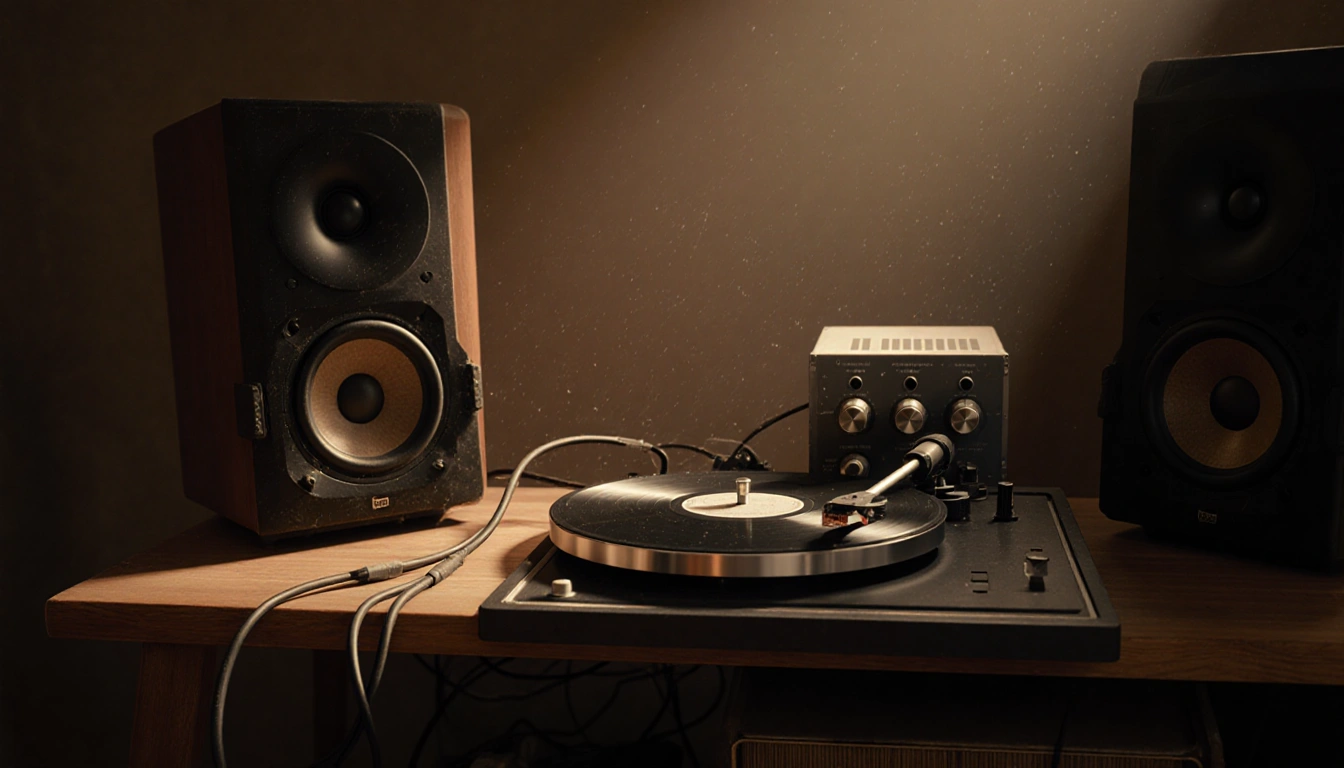
Turntables produce a very weak signal that is far below line level. A phono stage, a type of preamp, is required to bring that signal up to line level before it reaches the rest of the system.
Why It Matters
Every audio system needs a preamp, even if it is built into the amplifier. The preamp’s job is to:
- Convert the source signal to line level.
- Provide volume control.
- Select the desired input.
When the preamp and amplifier are separate, the signal path is cleaner. The preamp can be shielded from the power amplifier’s switching noise, which can otherwise color the sound.
Audiophiles often argue that a dedicated preamp offers the purest signal. Integrated amps are convenient but may introduce more noise.
Types and Choices
| Type | Function | Typical Use |
|---|---|---|
| Integrated | Combines preamp and power amp in one box | Compact home setups |
| Pre/Pow | Separate preamp and power amp | High-end, noise-averse systems |
| Phono Stage | Boosts turntable signal to line level | Vinyl enthusiasts |
Choosing the right preamp depends on your goals and budget. If you already own a wireless speaker, you already have a preamp hidden inside. If you’re building a separate system, decide whether you want an integrated unit or a pre/power pair.
Starter Picks

- News Of Austin P4 – A compact preamp with three line-level inputs, bass and treble controls, and a bypass function to keep the tone pure. Priced at $129.
- News Of Austin CXN100 – A $1099 preamp that offers wired and wireless connectivity, digital-to-analog conversion, and network streaming.
- News Of Austin Fono Mini A2D mk2 – A $200 phono stage that brings a record player’s weak signal up to line level and includes a USB output for archiving.
- News Of Austin Phono 1 mkII L – A $1895 phono stage that delivers exceptional detail and dynamic range for high-end vinyl setups.
Each of these options targets a different price point and feature set. The P4 is great for learning, the CXN100 adds streaming, the Fono Mini A2D mk2 is ideal for vinyl, and the Phono 1 mkII L is for serious audiophiles.
Getting Started
If you’re new to audio, start with a preamp that matches your current gear. A wireless speaker already contains a preamp, so you can skip that step. If you’re upgrading, consider a pre/power pair or a high-quality phono stage if you play vinyl.
When shopping, look for:
- Line-level output that matches your amplifier.
- Multiple input options if you have several sources.
- Built-in volume control for convenience.
- A clean, neutral sound signature.
Installing a preamp is usually straightforward. Connect the source to the preamp, then run the preamp’s line output to the amplifier’s input. Adjust volume and input selection as needed.
Key Takeaways
- Every audio system needs a preamp to convert source signals to line level.
- Integrated amps hide the preamp, while separate pre/power units can offer cleaner sound.
- Vinyl players require a dedicated phono stage to reach line level.
Whether you’re a casual listener or an audiophile, understanding preamps helps you choose the right components and enjoy clearer, more accurate sound.