At a Glance
- Trump administration signs executive orders to boost nuclear and coal for AI energy.
- 10 new large nuclear reactors ordered for construction by 2030.
- Coal’s share of the U.S. power mix falls to 17 % in 2025 from 45 % in 2010.
- Why it matters: Energy policy shifts could reshape the U.S. grid and tech industry priorities.
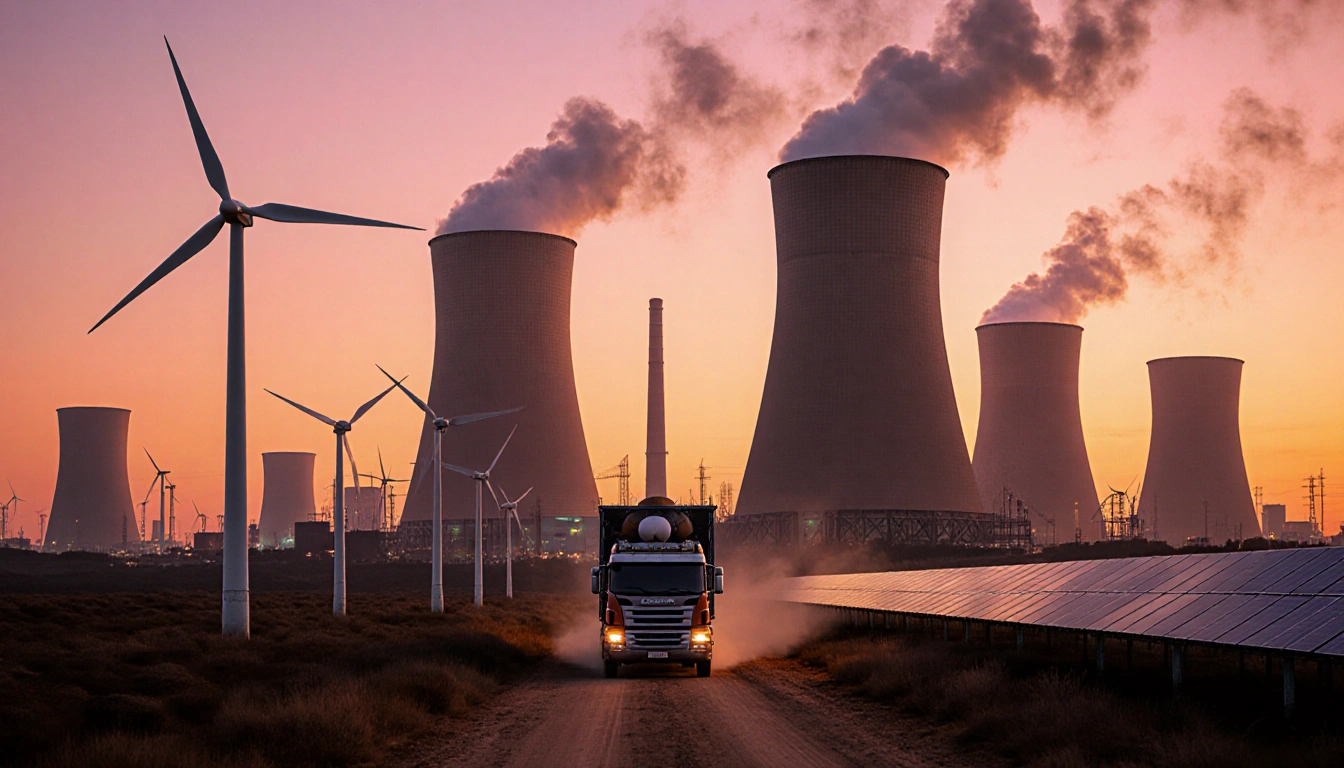
In 2017, the newly-elected Trump administration launched subsidies for coal and nuclear plants, but the plan failed. A decade later, the same administration is again pushing both energy sources, this time framing them as solutions to the growing energy demands of artificial intelligence.
Nuclear Energy Resurgence
In 2017, subsidies were offered to struggling coal-fired and nuclear power plants facing price pressure from gas and renewables. The plan would have placed billions of dollars of taxpayer money at risk, yet it was ultimately abandoned.
Since then, the nuclear sector has faced setbacks, with three plants shutting down since 2020 and two of the only four reactors built since 2000 placed on hold after a decade and a political scandal.
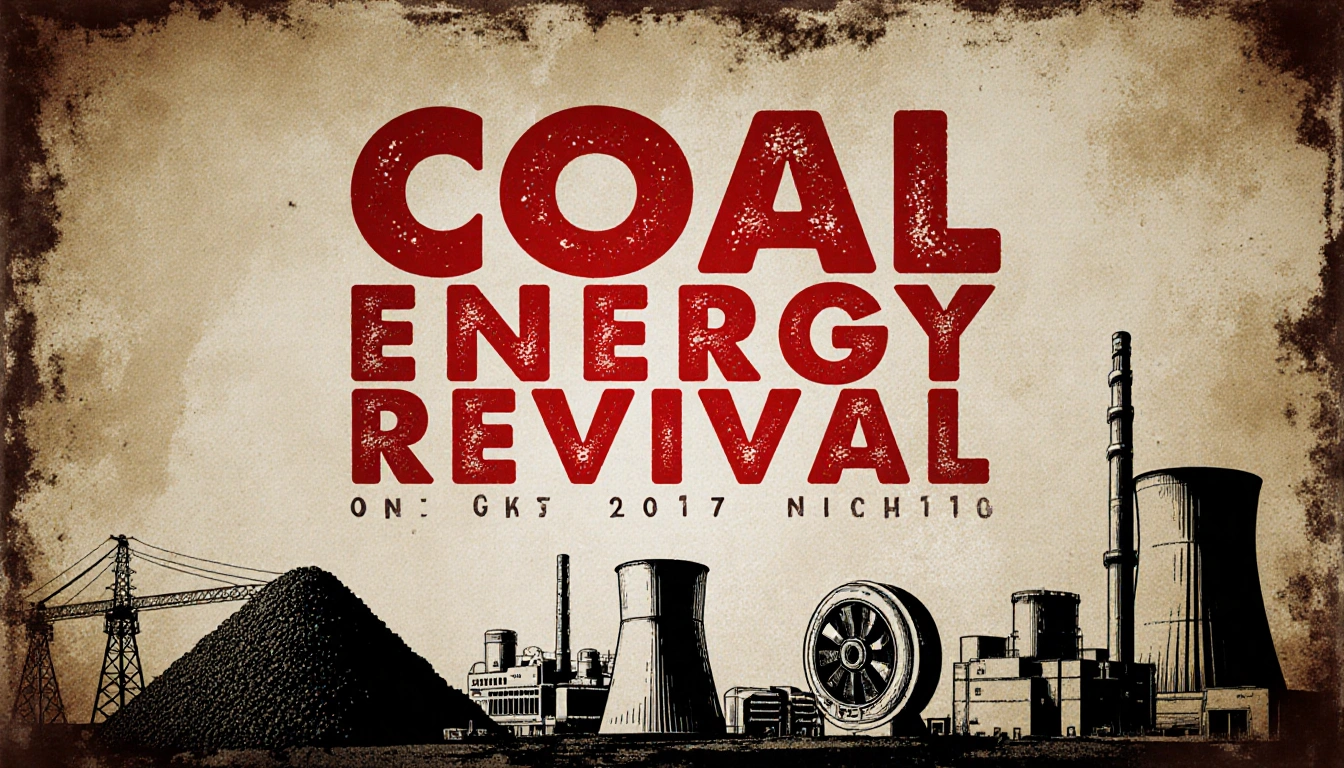
Coal has also declined sharply, now representing only 17 % of the U.S. power mix, down from a peak of 45 % in 2010.
| Year | Coal Share |
|---|---|
| 2010 | 45 % |
| 2025 | 17 % |
In 2025, the Trump administration shifted strategy, positioning nuclear as a key power source for AI. In May, the president signed executive orders that ordered 10 new large reactors to be built by 2030.
A Department of Energy pilot program, launched after May’s orders and a major regulator reshuffle, has already spurred breakthroughs from smaller startups.
**Chris Wright stated:
> “AI’s progress will be accelerated by rapidly unlocking and deploying commercial nuclear power.”
Tech giants such as Google, Amazon, and Microsoft have signed numerous deals with nuclear companies to power data centers. Microsoft even joined the World Nuclear Association.
- Google has signed deals with nuclear companies for data center power.
- Amazon has signed deals with nuclear companies for data center power.
- Microsoft has signed deals with nuclear companies for data center power and joined the World Nuclear Association.
Multiple retired reactors are being eyed for restart, including the Three Mile Island site, which is receiving a $1 billion federal loan.
Public support for nuclear has risen, reaching its highest level since 2010.
Coal Energy Revival
In April, the president issued executive orders to boost U.S. coal for AI, and Energy Secretary Wright ordered two plants slated for retirement to stay online via emergency order.
The administration has also eased pollution regulations to make running coal plants easier.
More than two dozen generating units that were scheduled to retire are now staying online, some receiving multi-year reprieves.
Challenges and Market Dynamics
Construction remains the biggest cost driver for nuclear, not regulatory hurdles.
Critics warn that valuations for small modular reactor companies may be inflated, especially those with ties to the administration.
An $80 billion deal between the government and reactor giant Westinghouse in October offered little detail, raising questions.
Timelines for new reactors remain uncertain, even as tech deals promise rapid deployment.
Investor sentiment is cautious, with concerns over construction costs, valuation levels, and project timelines.
- Construction costs.
- Valuation levels.
- Project timelines.
Meanwhile, utility-scale solar and onshore wind remain some of the cheapest energy sources, even without subsidies.
Other countries, notably China, have dramatically expanded renewables, reducing their coal use and lowering emissions.
Brett Rampal stated:
> “Nuclear technology has been seen by proponents as the neglected and unjustly villainized hero of the energy world.”
Brett Rampal continued:
> “Now, full-throated support from the president, Congress, tech companies, and the common person feels like generational restitution and a return to meritocracy.”
Key Takeaways
- Nuclear and coal are receiving renewed government and corporate backing as AI energy demand grows.
- 10 new nuclear reactors are slated for construction by 2030, but construction costs and timelines create uncertainty.
- Coal’s share of the U.S. power mix has dropped to 17 %, yet policy changes are keeping many plants online.
The future of the U.S. energy mix hinges on how quickly nuclear and coal can meet AI’s power needs while competing with the rapid rise of renewables.