

At a Glance
- China will end a 1993 contraceptive tax exemption, adding a 13% VAT from January 1, 2026.
- The move follows a 2024 birth count of 9.54 million, the highest in a decade but still the second-lowest rate in history.
- China’s population fell to 1.408 billion in 2024, the first decline in three years.
- Why it matters: The policy reflects Beijing’s urgent effort to counter a shrinking workforce and slow economic growth.
China’s government announced that it will impose a 13% value-added tax on contraceptives, ending a tax exemption that had been in place since 1993. The new rule will take effect on January 1, 2026 and covers products such as condoms.
Why the Change Matters
The exemption had been part of China’s Value Added Tax Law strategy to curb population growth during the 1990s. Now, the policy is seen as a symbolic move to signal a shift in priorities amid an aging society and a falling birth rate.
He Yafu (as quoted in News Of Austin) stated:
> the elimination of the VAT exemption is largely a symbolic effort and is unlikely to generate a significant impact on a national scale.
Population Trends and Policy Context
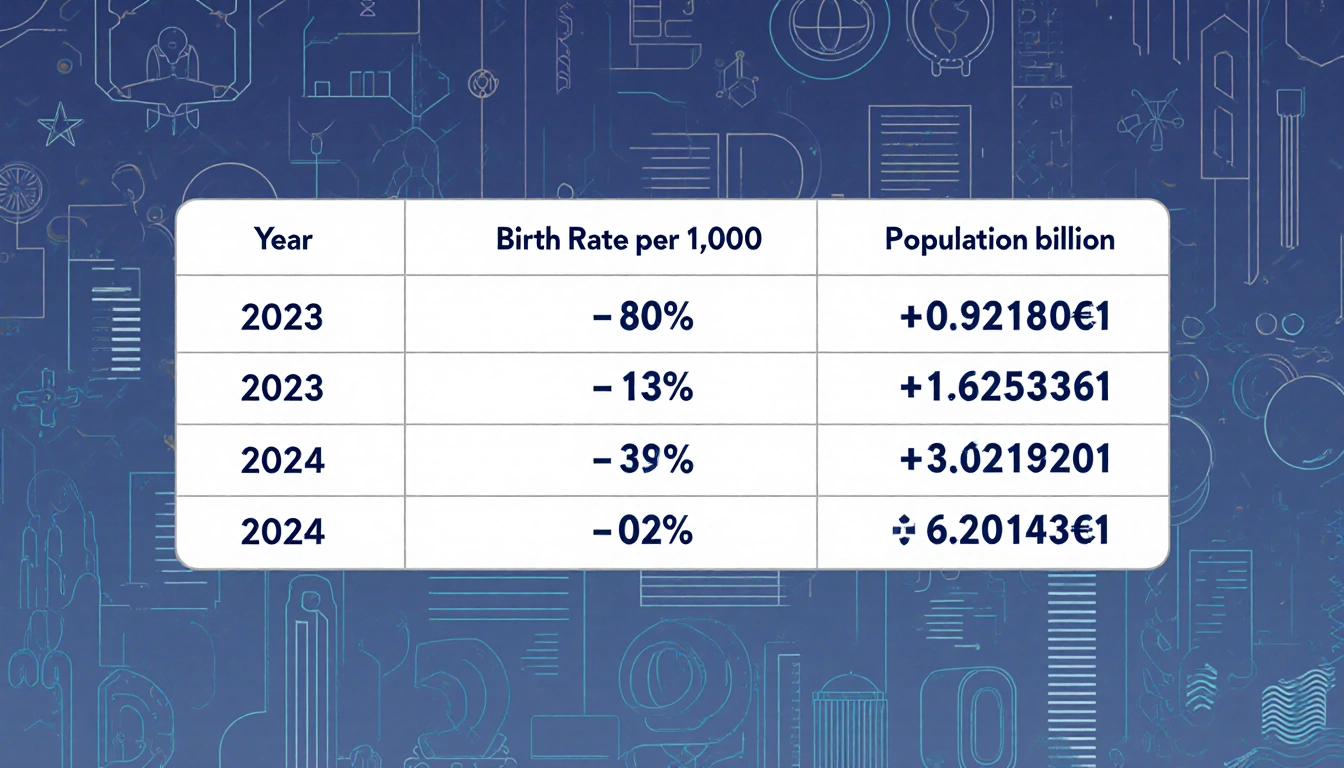
| Year | Births (million) | Birth Rate (per 1,000) | Population (billion) |
|---|---|---|---|
| 2024 | 9.54 | 6.77 | 1.408 |
| 2023 | 9.02 | 6.39 | 1.409 |
According to National Bureau of Statistics, a slight uptick in 2024 saw 9.54 million births, 520,000 more than in 2023. Yet the birth rate per 1,000 people was 6.77, matching the second-lowest level in PRC history. In 2024 the total population declined by 1.39 million, falling below 1.408 billion.
Since 2021, Beijing has rolled out a ‘new culture of marriage and motherhood’ policy, offering subsidies for families with three children, expanding childcare, and extending parental leave. The government also discourages abortions by classifying the procedure as nonessential treatment. A 2024 study by YuWa Population Research Institute found the average cost of raising a child to age 18 is about 538,000 yen (≈ $76,000).
Oxford Economics notes that potential output growth could fall below 4% in the 2030s due to a shrinking labor force and a slowdown in productivity.
Key Takeaways
- China will impose a 13% VAT on contraceptives from 2026, ending a 1993 exemption.
- The policy reflects mounting pressure from a declining birth rate and aging population.
- The move is largely symbolic and unlikely to change national birth trends.
China’s decision underscores how demographic challenges are reshaping fiscal policy, even as the country seeks other measures to boost fertility and support families.